Understanding Intermittent Fasting
Intermittent Fasting Overview
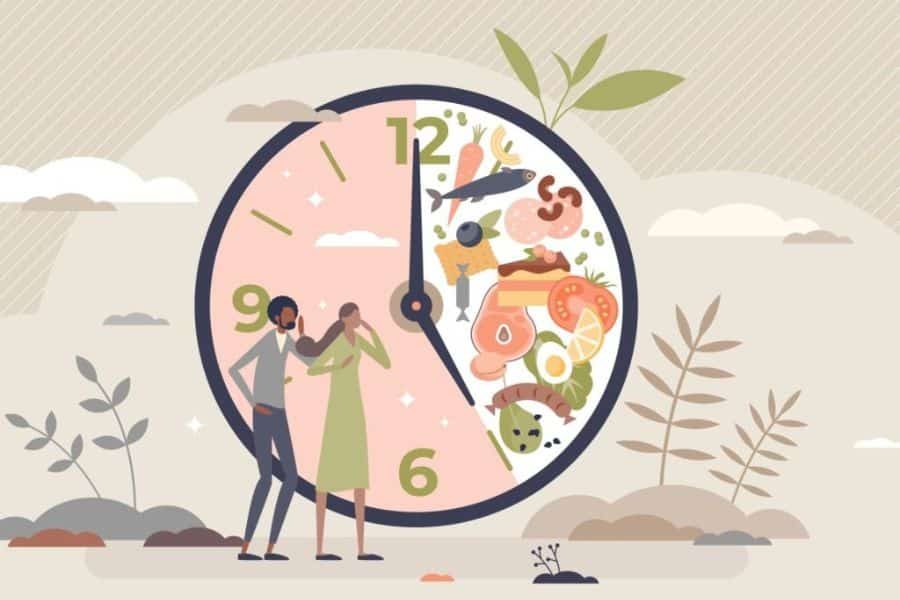
Intermittent fasting (IF) is like a life hack for your eating habits. It’s not about the kale and quinoa but the clock! Instead of fretting over calories or food groups, you focus on timing your meals just right. One trendy way folks do this is by taking a full day off eating—24 hours of gulping down only water or whatever zero-calorie beverage keeps you going.
This fasting style has picked up steam because it’s simple and comes packed with health perks. It might just help you wrangle your calorie munches and keep your food choices in check. Whether you’re testing the waters or an IF veteran, knowing the ropes of different methods and benefits can help you decide if you’re all in or not.
Hop on over to our intermittent fasting schedules page for more on different ways to fast.
How Intermittent Fasting Works
So, what’s the deal with intermittent fasting? The magic happens in your metabolism. When you’re fasting, your body gets busy making a few metabolic changes. As per our pals at Johns Hopkins Medicine, during those no-eating windows, your body stops running on glucose (sugar) and starts burning fats by switching to ketones.
Here’s a peek at what your body’s up to during IF:
- Insulin Dance: Lower insulin means your body gets good at burning fat.
- HGH Boost: More HGH equals fat burning with a side of muscle gains (NIH News in Health).
- Cell Cleanup Crew: Your cells tidy up by dealing with old, worn-out proteins through a process known as autophagy (Harvard Health Publishing).
Getting these processes gives you a front-row seat to see how IF can rev up weight loss and health. Curious about real-life changes? Head to our intermittent fasting transformations.
| What’s Happening | What It Does |
|---|---|
| Lower Insulin | Burn the fat! |
| More HGH | Muscle up & burn more fat |
| Cellular Detox | Cells rejuvenate |
For the lowdown on boosting your metabolism through IF, check out our intermittent fasting and metabolism article.
Intermittent fasting isn’t just another diet fad; it’s science-approved to give your eating habits a makeover. From dropping pounds to better health metrics, knowing these nuts and bolts can kickstart your success. Newbies can find more starter tips on our intermittent fasting for beginners page.
Don’t jump the gun without chatting with your doctor first to make sure IF suits you. For a deeper dive into the research, swing by our intermittent fasting research and intermittent fasting studies pages.
Health Benefits of Intermittent Fasting
Intermittent fasting isn’t just a trendy diet; it’s a lifestyle change with perks for your health. Let’s chew through how skipping meals can trim your waistline, tweak your metabolism, and shield you from nasty chronic illnesses.
Weight Loss and Intermittent Fasting
Thinking about shedding some pounds? Intermittent fasting could be your sidekick. When you fast, your body hits the reset button, dropping insulin levels and cranking up your growth hormone. This gym session for your insides helps turn fat into fuel, which means actual weight loss.
| Study | Time Frame | Weight Loss |
|---|---|---|
| Healthline (2022) | 12 weeks | 9% on the 5:2 diet |
A bunch of folks got together in a 2022 study. Guess what? Over 12 weeks, they dropped about 9% of their body weight using intermittent fasting (Healthline). Fasting for a whole day helps your body munch through sugar reserves in the liver and then taps into those chunky fat deposits. This way, you’re torching fat, not muscle. Check out more juice on intermittent fasting for weight loss.
Metabolic Health Improvements
Got a sweet tooth? Fasting may help you rebalance your sugar game. One major win of this fasting gig is its knack for dealing with blood sugar and insulin.
| Health Metric | Improvement Amount | Source |
|---|---|---|
| Fasting Blood Sugar | -0.15 mmol/L | Healthline |
A review from 2022 found that fasting knocked off 0.15 millimoles per liter from fasting blood sugar (Healthline). Good news for your blood sugar levels and keeping the diabetes monster at bay. Plus, fasting tweaks hormone levels, revving up norepinephrine—a fat-burning friend that temporarily kicks your metabolic rate into action (Healthline).
The cool stuff about metabolic improvements is that they hang around for the long haul, making fasting a solid dad-bod combat plan. Get deeper into how fasting flips your metabolism in our piece on intermittent fasting and metabolism.
Protection Against Chronic Diseases
Taking fasting to heart—or more like keeping your heart secure! Periodic fasting has shown to dial down risk factors for heart-related issues like blood pressure, cholesterol, triglycerides, and those pesky inflammatory markers (Healthline).
| Health Metric | Improvement Noted | Source |
|---|---|---|
| Cholesterol Levels | Better | Healthline |
| Triglyceride Levels | Better | Healthline |
| Inflammatory Markers | Lessened | Healthline |
It also kicks off a fancy cell vacuuming method called autophagy, which scrubs up damaged proteins. This means it could help fend off things like cancer and even nerve-wracking nerve diseases (Healthline).
We’ve got hints that fasting might slow down or lessen the odds of Alzheimer’s and other brain-nibblers like Parkinson’s and Huntington’s (Healthline). For more of the scoop on fasting’s superhero role against the gnarly stuff, dive into our write-up on intermittent fasting and chronic diseases.
Different Approaches to Intermittent Fasting
Intermittent fasting ain’t just another trend in the wild world of weight loss; it’s a secret weapon in your arsenal for getting that scale to cooperate. Here’s the scoop on three popular ways to throw fasting into your life: 5:2 intermittent fasting, the 16/8 routine, and the Eat-Stop-Eat plan.
5:2 Intermittent Fasting
Meet the 5:2 method, a favorite among fasting fans. You chow down like usual five days a week, and on the other two days, you take it easy with only 500-600 calories. Think of it as giving your digestive system a mini-vacation. In fact, a study in 2022 found folks shedding about 9% of their body weight after a dozen weeks on this plan.
But let’s keep it real—eating like a bird twice a week isn’t always a walk in the park. That’s where a bit of moral support can turn things around and make this routine sustainable (Medical News Today).
If you’re feeling curious about crafting your very own intermittent fasting routine, skedaddle on over to our handy intermittent fasting schedule guide.
16/8 Method
Next up is the 16/8 routine, a darling among those who prefer their fasting with a side of sleep. You fast for 16 hours and feast within an 8-hour block. It’s like a time-restricted buffet—say, munch from noon to 8 PM, then hit the fasting button till the next day at noon.
This way can be a win-win for weight loss and getting your metabolism in shape (Medical News Today). It’s beginner-friendly because you spend a good chunk of fasting time dreaming about breakfast and coffee.
| Method | Fasting Window | Eating Window |
|---|---|---|
| 16/8 Method | 16 hours | 8 hours |
Ready to milk this method for all it’s worth? Check out our piece on intermittent fasting tips for tricks of the trade.
Eat-Stop-Eat Diet
Say hello to the Eat-Stop-Eat diet, where you wave goodbye to meals for a whole 24 hours once or twice a week. Don’t worry, it’s not as scary as it sounds—just hit pause on your appetite from dinner one day till the same time the next.
Granted, not everyone takes to fasting like a duck to water, with some getting headaches or feeling cranky as a side effect. Yet, those who hang in there can find this approach a solid ally in the weight-loss battle.
| Method | Fasting Duration | Frequency |
|---|---|---|
| Eat-Stop-Eat Diet | 24 hours | 1-2 times per week |
Feeling brave enough to try this fasting game plan? Swing by our intermittent fasting for weight loss guide for the juicy details on fitting it into your routine.
With these options in your back pocket, pick one that gels with your lifestyle and health plans. Want extra motivation? Check out intermittent fasting apps to track your wins and keep you on track. Fast forward to a healthier you!
Side Effects of Intermittent Fasting
Jumping into a 24-hour fasting routine might sound like a piece of cake, but guess what? It might come with a few hiccups. Here’s a heads-up on what you might feel and some tricks to tackle ’em:
Hunger and Cravings
Starting out, you might feel like you’re starving—like, all the time. It’s like your tummy’s got its own protest going on. Usually, this hangry phase chills out as you and your stomach settle into the fasting vibe.
| Time Frame | Hunger Level |
|---|---|
| First 1-3 Days | Hungry Hungry Hippo |
| After 1 Week | Not So Ravenous |
| After 1 Month | Cool as a Cucumber |
Beat the hunger blues by:
- Chugging water
- Munching on fiber-loaded snacks during your eat hours
- Keeping busy so you forget about your grumbly tummy
Want more hacks? Dive into our intermittent fasting tips.
Headaches and Fatigue
Got a throbbin’ head or feel like a sloth? It’s your body’s way of saying it’s not used to this yet. Low sugars, missing your morning caffeine, or just plain thirsty could be the culprits.
| Possible Cause | Symptoms | Fixes |
|---|---|---|
| Low Blood Sugar | Dizzy, Queasy | Chow on balanced meals when you can |
| Caffeine Drop | Headache, Cranky | Gradually cut your caffeine |
| Not Enough Water | Dry Mouth, Thirsty | Drink more water |
Gulping down that H2O and slowly kissing caffeine goodbye could ease these headaches. Peek at our intermittent fasting and supplements for more help.
Digestive Issues
Uh-oh, tummy troubles! Some might face hiccups like upset stomachs, bathroom emergencies, or feeling puffy. This can happen cuz’ of food shifts or eating less.
| Symptom | What’s Up | Fix It |
|---|---|---|
| Burpy or Upset | Quick, big meals | Smaller bites, slower sips |
| Loose Stool | New food choices | Ease into food changes |
| Feel Queasy | Meal timing | Opt for gentle foods |
| Gassy and Bloated | What you ate | Avoid gassy food (beans, beans, the magical fruit!) |
Tune into your body, and if it keeps bugging you, hit up your doc. Get inspired by checking out our intermittent fasting meal plan.
Rolling with these side effects can make your fasting gig smoother and more worthwhile. Curious for more deets? Drop by our intermittent fasting side effects section.
Key Considerations for Intermittent Fasting
Getting into intermittent fasting can seriously kickstart your health and weight loss goals. Here are some tidbits to keep in your back pocket as you hop on the 24-hour intermittent fasting ride.
Consistency in Weight Training
Keeping those muscles in check while you’re fasting is a big deal. It’s all about sticking to your plan. Regular weight training isn’t just good for you, it’s a must if you want to hold onto and maybe even bulk up on muscle during fasting. The folks over at InsideTracker swear by this.
Here’s a down-to-earth weekly game plan you might want to pin up somewhere:
| Day | Activity |
|---|---|
| Monday | Pump those weights |
| Tuesday | Hit the treadmill |
| Wednesday | Back to weights |
| Thursday | Chill or Light Stretch |
| Friday | Weights again |
| Saturday | Time to sweat it out |
| Sunday | Take it easy |
If you’re on the lookout for more ways to mix fasting with exercise, swing by our article on intermittent fasting and exercise.
Consulting Healthcare Provider
Before diving headfirst into a fasting schedule, especially one that lasts 24 hours, having a chat with your doctor is a smart move. This matters a lot if you’re on meds or juggling health issues (Harvard Health Publishing). Your doctor can give you the lowdown on what’s right for you.
Be sure to check out our detailed guide on intermittent fasting side effects to get the scoop on what to keep an eye on while fasting.
Sustainable Lifestyle Change
Intermittent fasting goes beyond being just another diet fad; it’s like hitting the reset button on your routine. It cuts down the hassle of constant meal prepping. As Healthline puts it, blending fasting into your life can be a real game-changer for long-haul success.
Think about these tricks to make fasting a natural fit:
- Sync your fasts with your everyday groove.
- Keep your non-fasting meals on point with balanced nutrition.
- Water, tea, and coffee are your best buddies.
- Pay attention to what your body says and tweak your fasts accordingly.
For more help on making fasting a staple in your everyday life, pop by our section on intermittent fasting for beginners.
With these simple pointers, you’ll be charging ahead with 24-hour intermittent fasting blended smoothly into your lifestyle. Don’t miss out on our intermittent fasting tips for a treasure chest of advice to help you stay the course and crush those goals.
Tips for Effective Intermittent Fasting
Rules for a 24-Hour Fast
Getting into a 24-hour intermittent fast can shake things up for your health and weight goals. Here’s how to roll with it:
- Zero calories: During those 24 hours, keep it strictly calorie-free. Stick to water, herbal teas, or black coffee, and keep away from anything that adds calories.
- Tap into energy reserves: In the first half, you’re burning through the sugar parked in your liver. Once that’s gone, your body’s got no choice but to munch on fat for energy.
- Keep your muscles: Don’t slack on the weights. Regular lifting is your ticket to maintaining those muscles while fasting.
- Tune in: Feel like this fasting gig isn’t working for you? Listen to what your body is telling you and adjust accordingly.
Breaking the Fast
When the fast ends, it’s all about how you break it. It’s your moment to recharge right:
- Eat smart: Go for a balanced meal packed with proteins, good fats, and carbs. This refuels your body and keeps you energized.
- Steady as she goes: You might want to inhale your food, but take it slow and easy to keep your digestion on point.
- Hydration is key: Chug plenty of water to replace what you’ve lost in the hours you haven’t been eating or drinking.
Short fasting periods can help you trim down body fat by about 2% over a few weeks (InsideTracker). And don’t forget, keeping up with your weight training will help you protect that muscle even while fasting.
| Time (hours) | What’s Happening | Why it Matters |
|---|---|---|
| 0-12 | Burning sugar | Fuel comes from the liver |
| 12-24 | Burning fat | Helps with fat loss |
Swing by our article on breaking the fast for the lowdown on how to transition back to eating.
Combining Fasting with Exercise
Pairing up fasting and exercise can revamp your routine. Here’s how you can sync them:
- When to break a sweat: Time your workouts to fit snugly into your eating window. Lots of folks swear by working out just before they eat or during their eating phase for optimal results.
- Energy check: Pay attention to how you’re feeling. Some prefer sticking to gentler workouts like walking or stretching; others keep up their usual grind.
- Water it down: Stay hydrated by sipping water before, during, and post-exercise. Fasting can be dehydrating, so be proactive.
Pump some iron to keep those muscles intact and pump up fat loss (InsideTracker). Don’t worry, keeping it under a 72-hour fast won’t slow down your metabolism.
For more ways to blend fasting seamlessly with exercise, check out our article on combining fasting with exercise.
Stick to these cues, and you’ll pave the way to crushing your health and weight goals with 24-hour intermittent fasting.