Understanding SIBO
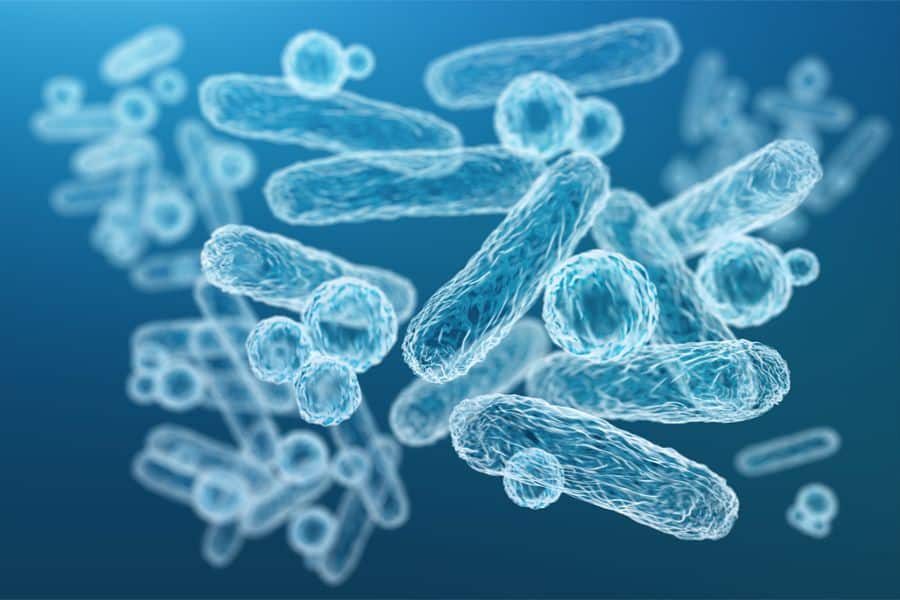
Small Intestinal Bacterial Overgrowth (SIBO) is a pesky medical issue bugging many folks in the United States. It’s all about having way too many bacteria lounging around in your small intestine, making your tummy less than thrilled.
What is SIBO?
SIBO basically means there are way too many tiny creatures in your small intestine. Normally, this spot should be a quiet neighborhood because stuff moves through fast, and bile keeps the peace. But with SIBO, it becomes a bacterial block party, making you feel bloated, gassy, and sending you to the bathroom more than you’d like.
| Feature | Small Intestine | Large Intestine |
|---|---|---|
| Regular Bacterial Count | Low | High |
| With SIBO | High | High |
Causes of SIBO
Why does SIBO gatecrash your digestion party? Here’s the buzz:
- Lazy Tummy Moves: If your digestive tract slacks off, bacteria get comfy. This can be due to diabetes, certain conditions, or after a gut surgery.
- Nutrient Shortfalls: If fats, carbs, or proteins aren’t getting absorbed well, bacteria see it as an all-you-can-eat buffet.
- Bumpy Roads Ahead: Physical quirks or surgeries in your intestine can make pockets where bacteria feel right at home.
Wanna fight back? Probiotics might just be your new best bud in balancing your gut.
Here’s how different things mess with your stomach vibes:
| Factor | SIBO’s Party |
|---|---|
| Lazy Tummy Moves | Bacteria Feast |
| Nutrient Shortfalls | Poor Digestion |
| Bumpy Roads | Bacterial Hangout |
Explore how to bring the balance back with probiotics by checking out our articles on gut health helpers.
Digging into why SIBO shows up helps in stopping it before it starts. Probiotics can definitely be your gut squad, keeping those tummy troubles away while boosting your gut’s mood.
Check out more on boosting your gut game with our pieces on probiotic perks and the best for men or women. If you’re after the top picks in probiotic reinforcements, hit up our guide on best supplement bounty.
Symptoms of SIBO
Figuring out SIBO (Small Intestinal Bacterial Overgrowth) isn’t just about medical jargon; it’s about knowing how your body feels and what you might need to do about it. Let’s get into what could be going on and why you might feel like the world is spinning when your gut’s not happy.
Digestive Symptoms
SIBO can throw a curveball into your belly’s daily routine, making it hard for you to feel like your usual self. Here’s what might be knocking at your digestive door:
- That uncomfortable bloating and tummy ache
- The swing between run-to-the-bathroom diarrhea or barely-any-visit constipation
- Gas that could make trumpet players envious and that delicate flatulence
- Toss in a side of nausea just for fun
These belly bothers happen because those pesky bacteria in your small intestine are acting like they’ve never heard of table manners, leading to more gas than your body signed up for. So, if your stomach feels like a deflated whoopee cushion, it’s them causing all that fuss.
Nutritional Deficiencies
SIBO doesn’t just mess with your gut party, it crashes your nutrient absorption too. Here’s the rundown:
| Nutrient | When It’s Missing, Here’s What Happens |
|---|---|
| Fats | Can’t break ’em down right? Say hello to uninvited greaser friends in your stool and possibly malnutrition edging its way in |
| Vitamin B-12 | Lack of it feels like tiredness, tingling, maybe some weird numbness, and if ignored, could wreak major havoc on your nerves |
| Carbs | They’re not fermenting right? Expect some bloat, gas, and the infamous why now diarrhea |
| Proteins | Missing out might leave your muscles feeling like they’re on vacation when they need to be working * (Medical News Today) * |
SIBO sure wants a piece of everything, even calcium. Ignoring it might cause bigger issues like bone problems or kidney run-ins.
Feeling like you’ve been dealt a bad gut hand? Maybe sneak some probiotics for gut health into your life; it might settle the rowdy bacteria party. Those probiotics could be your next best friend in balancing gut woes and soaking up the good stuff.
In the mood to dig into how probiotics could partner up with you in the SIBO saga and beyond? Take a peek at our hot takes on probiotics for bloating and how they might just smooth out your digestion drama.
Diagnosing SIBO
Figuring out if you’ve got Small Intestinal Bacterial Overgrowth (SIBO) isn’t just important, it’s like knowing why your car is making that weird clunking noise before it stops working. There are two ways docs poke at this: breath tests and the more hands-on invasive ones.
Breath Testing
Breath tests are the go-to move because they don’t require poking you too much. They check the air you breathe out for hydrogen and methane—two gases that bacteria in your gut can produce when they’re throwing a party. How does it work?
- Skip breakfast and possibly dinner the night before (fast for about 12 hours).
- Down a sugary drink, usually with lactulose or glucose.
- Blow into a tube like you’re filling up a balloon every so often over the next 2-3 hours.
Here’s a sneak peek at what the test results might look like:
| Time (minutes) | Hydrogen (ppm) | Methane (ppm) |
|---|---|---|
| 0 | 1 | 1 |
| 30 | 5 | 3 |
| 60 | 20 | 10 |
| 90 | 40 | 20 |
| 120 | 60 | 30 |
If the gas levels go up in the first hour and a half, it’s not just bad breath—it’s a sign you may have SIBO.
Invasive Testing Methods
When you need a bit more reassurance or the breath test isn’t giving clear answers, docs might opt for the more up-close-and-personal methods.
-
Small Intestine Aspirate and Culture: They send a tiny camera down your throat to snag some gut juice. Then, they see if any of the bacteria feels like overachieving when left to grow in the lab.
-
Jejunal Biopsy: More camera work, but this time they snip a piece of your intestine to see if it’s playing host to unwanted visitors or if there’s been damage.
These more detailed methods often need special hospital visits because they get quite up-close-and-personal.
Breath tests and the more-intrusive kind both have their place in finding SIBO. Once pinned down, there are different ways to tackle it, like antibiotics spice up your meal plan, or the probiotic route—think, good bacteria fighting the not-so-good ones. Curious about probiotics? Check out our posts on probiotics for gut health and find out what’s the buzz with best probiotics supplements.
Management of SIBO
Dealing with Small Intestinal Bacterial Overgrowth (SIBO) can feel like navigating a puzzle, where antibiotics and diet play big roles. We’re diving into how you can control SIBO, making it easier to handle.
Antibiotics for SIBO
Antibiotics are often the go-to for knocking down that unwelcome bacteria party crashing your small intestine. Rifaximin tops the list here, mainly because it’s great at targeting the gut without throwing the rest of your body into chaos.
| Antibiotic | Typical Dosage | Duration | Success Rate |
|---|---|---|---|
| Rifaximin | 550 mg | 10-14 days | 70% – 80% |
| Metronidazole | 250 mg | 7-10 days | 50% – 60% |
| Neomycin | 500 mg | 7-14 days | 40% – 60% |
Once you’ve sent those bad guys packing with antibiotics, it’s time to build up the defenses with probiotics, prebiotics, or a combo known as synbiotics. They bring in the good troops to balance the gut and back up the antibiotic action, easing those pesky symptoms. Fancy terms aside, think of them as gut helpers, with soldiers like Bacillus coagulans leading the charge to calm the chaos and maybe even give you the all-clear on those SIBO tests (PMC).
Dietary Approaches
Tweaking your plate can make a world of difference in managing SIBO and its symptoms. Here’s a peek at some diet strategies you might ponder:
-
Low FODMAP Diet: This plan cuts back on certain carbs that linger too long and let bacteria throw a fermentation party, causing all sorts of gut drama.
-
Elemental Diet: Picture a liquid diet where every nutrient is pre-digested, simplifying absorption and leaving little for bacteria to feast on.
-
Specific Carbohydrate Diet (SCD): Focuses on tossing out complex carbs, opting instead for simpler, gut-friendlier options.
| Dietary Plan | Focus | Broad Guideline | Common Foods |
|---|---|---|---|
| Low FODMAP Diet | Cutting fermentable carbs | Skip high-FODMAP foods | Lean meats, lactose-free dairy, low-FODMAP veggies |
| Elemental Diet | Smooth absorption | Pre-digested nutrients | Elemental formula |
| Specific Carbohydrate Diet (SCD) | Limit complex carbs | Natural, simple foods | Meat, fish, eggs, specific veggies |
Pair these diets with probiotics for gut health and you could power up your SIBO-fighting plan. Probiotics like Saccharomyces boulardii are your gut’s best friends, blocking the nasties and calming symptoms down. Mix these with antibiotic therapy and you’re looking at possible SIBO relief in more than half of folks within two months (Optibac Probiotics).
Curious about probiotics’ benefits? Check out probiotics for IBS and probiotics for constipation. These reads dive deeper into how probiotics can rescue you from gut troubles and keep everything balanced.
Role of Probiotics in SIBO
Benefits of Probiotics
Think of probiotics as the good guys in your belly, helping manage Small Intestinal Bacterial Overgrowth (SIBO). They tweak your gut gang, keep your inner walls solid, and even chit-chat with your brain’s gut buddy (PMC). Though not everyone reacts the same, many folks find them to be a lifesaver for those pesky SIBO symptoms.
Major perks of probiotics for SIBO are:
-
Kicking Bacterial Booty: Probiotics might give the bad bacteria a run for their money, easing issues like puffiness and the runs (Mayo Clinic).
-
Nutrient Pickup Line: They help your gut—and you—absorb fats, carbs, and proteins better ’cause who wants undigested food going to waste? When pesky bacteria mess with digestion, probiotics help keep the peace.
-
Feeling Better Fast: Say goodbye to tummy troubles like bloating and gas. Probiotics help by balancing your gut and keeping your intestines happy (PMC).
But a heads up: probiotics might make some folks feel bloated or foggy headed. Always give your healthcare buddy a shout before trying something new.
Probiotic Strains for SIBO
Picking the right probiotics for SIBO can make all the difference. Here’s a lineup of some strains that have shown promise for treating SIBO symptoms:
-
Lactobacillus rhamnosus GG: This strain helps keep your gut walls strong and jump-starts your immune system.
-
Bifidobacterium breve: Known for its anti-swelling features, this little guy helps keep your gut in tip-top shape.
-
Saccharomyces boulardii: A yeast that’s a champ at tackling gut issues, perfect for knocking down unwanted germs.
Here’s a quick look at what these probiotic strains offer:
| Probiotic Strain | Benefit |
|---|---|
| Lactobacillus rhamnosus GG | Strengthens gut walls, boosts immune response |
| Bifidobacterium breve | Anti-swelling properties |
| Saccharomyces boulardii | Tackles, blocks gut problems |
Mixing these strains can be a winning combo for easing SIBO symptoms. For more juicy details on probiotics, check our write-ups on probiotics for gut health and probiotics for digestion.
To really cash in on probiotics, make them part of your daily groove. Search out top-tier, tried-and-tested picks for max results. If you’re new to probiotics or don’t know where to start, our best probiotics supplements guide is here to steer you right.
Research and Future Outlook
Alright, let’s get into the nitty-gritty of gut stuff. Figuring out probiotics’ part in dealing with SIBO (Small Intestinal Bacterial Overgrowth) isn’t just important—it’s a game-changer for your belly’s happiness. A ton of poking and prodding from scientists gives us a pretty good idea of how these teeny-tiny bacteria can kick SIBO’s pesky symptoms to the curb and make your gut feel like a million bucks.
Studies on Probiotics
Lately, folks have been buzzing about how probiotics and their pals, prebiotics, can shake things up for people with SIBO. Studies point out that probiotics aren’t just sitting there—they’re hustling. They shoulder past trouble-making germs, whip up some bacteriocins (that’s pathogen-fighting stuff), and beef up your gut’s defenses (Source).
| Probiotic Type | What They Did |
|---|---|
| Bacillus clausii | Matched antibiotics in fixing hydrogen breath tests to calm SIBO chaos |
| Lactobacillus | Helped with gnarly diarrhea from bacteria overdrive |
| Bacillus coagulans | Teamed up with antibiotics, knocking down pain, bloating, and digestive issues big-time |
| Saccharomyces boulardii | Chilled out pathogenic bacteria and nixed symptoms; 55% booted SIBO with antibiotics |
Figures shared: Source, Optibac Probiotics
For a quick peek, Bacillus clausii stood toe-to-toe with antibiotics, clearing hydrogen breath tests like a boss. And Lactobacillus strains? They give chronic, bacteria-fueled diarrhea a good thrashing (Source).
Ever tried to act as a dynamic duo? Probiotic Bacillus coagulans mixed with prebiotics and antibiotics showed its powerhouse potential—turning stubborn symptoms like belly ache, bloating, and regular SIBO drama into a distant memory. Folks using Probiotics waved goodbye to tummy pain altogether (Source).
Another game plan threw Saccharomyces boulardii in the mix with antibiotics, managing to eradicate SIBO from over half the crowd in a couple of months (Optibac Probiotics). In a different skirmish, a B. coagulans probiotic teamed up with antibiotics, achieving a 93% victory over SIBO, crushing the 67% from a placebo-controlled troop (Optibac Probiotics).
Alternative Treatments
Not just probiotics are in on the action. There are loads of ways your gut can get its groove back. Whether it’s what you eat, herbs, or moving about, these methods might give you a leg up in the SIBO battle.
- Switching Up the Menu: Going low FODMAP can zap SIBO nasties by cutting down on those tempting fermentable carbs.
- Herbal Magic: Some studies chatter about herbals being neck-and-neck with regular meds—a more natural touch that could be for you.
- Get That Body Moving: Certain exercises work magic for your belly, helping keep things in motion and keeping SIBO on its toes.
- Great Prebiotic Adventure: Prebiotics roll out the red carpet for friendly bacteria, balancing your gut script just right.
- Enzyme Boost: Digestive enzymes are like tiny helpers breaking down grub, freeing up your small intestine to keep SIBO symptoms at bay.
Dig into all things probiotic and how they can help you out with topics like probiotics benefits, probiotics for gut health, and probiotics for digestion.
By mixing up these treatments with probiotic pals, you get a super-strategy tackling SIBO on all fronts. If you’ve got kiddos running around, find tailored info on probiotics for kids and probiotics for babies. And hey, hit up a doc before kicking off any new plan—to make sure it’s all safe and sound.