Understanding High-Protein Diets
An Overview of High-Protein Diets
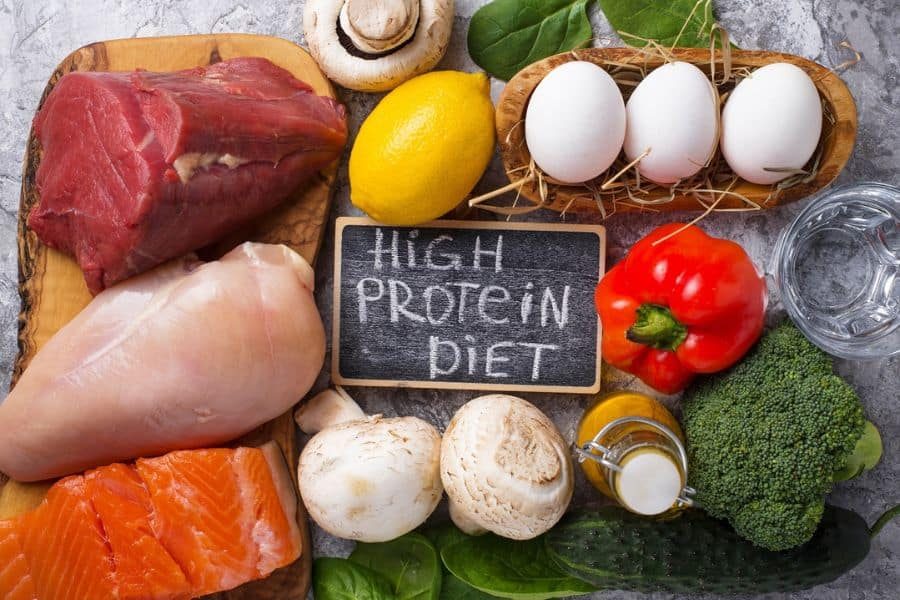
Alright, let’s get into it. A high-protein diet is about stacking your plate with foods rich in protein, making up about 10-35% of what you eat every day (Medical News Today). Why is everyone buzzing about it? Because the perks are real! Think more muscle, a turbocharged metabolism, and a longer-lasting feel of fullness. Here, we’ll break down what a high-protein diet means and why it’s a game-changer for your health.
Protein Requirements for Adults
So, how much protein do adults need? Here’s the scoop: Women generally need a minimum of 46 grams a day, while men need at least 56 grams. For tip-top health, aim for 10% to 35% of your daily calories to come from protein.
| Demographic | Daily Protein Requirement (g) | Recommended Protein Intake as % of Calories |
|---|---|---|
| Adult Women | ≥46 | 10-35% |
| Adult Men | ≥56 | 10-35% |
Chowing down on high-quality protein helps beef up your muscles and get stronger. When you pair it with lifting weights, you’re likely to see more muscle gains and keep what you got. Also, spreading your protein throughout the day can boost your muscle-building power and help hold on to muscle when you’re trying to shed some pounds (Nutrients).
Now, talking bones – they benefit too. Studies show more protein, including animal-based, can help keep your bones strong as you age, reducing the risk of osteoporosis and breaks.
For simple ways to load up on quality proteins, check our best high-protein foods guide and find some delicious high-protein diet meal ideas. Want to pack on muscle? Our high-protein diet plan for muscle gain is just the ticket.
To wrap it up, a high-protein diet has loads of benefits, from managing weight to boosting muscle and bone health. Know your protein needs and mix in various protein-packed foods to really get the most from this diet.
Benefits of a High-Protein Diet
Weight Loss and Satiety
Feeling hangry all the time? Well, a high-protein diet might just be your best buddy. Chomping on more protein makes you feel fuller, keeping those snack attacks at bay (Medical News Today). This handy little side effect means you’ll chow down less overall, which is great news if you’re looking to shed some pounds.
| Protein | Fullness Scale (outta 10) |
|---|---|
| High | 9 |
| Moderate | 6 |
| Low | 3 |
Tons of studies back this up, showing that a steady diet rich in protein doesn’t just fill you up—it can help you lose weight, too. Curious about using a high-protein plan to slim down? Check out our tips on high-protein diet for weight loss.
Muscle Building and Strength
Want to flex better biceps or keep those legs strong? More protein is the answer, my friend. Munching on protein helps tie up those muscle gains and fend off that muscle-wasting that happens as we age.
Eating high-protein meals works wonders with your gym routine to build muscle:
| Protein Grub | Muscle Love (lbs) |
|---|---|
| High | 4-6 |
| Moderate | 2-3 |
| Low | 1-2 |
To buff up or stay beefy, having a well-thought-out meal plan is clutch. Peek at our high-protein diet plan for muscle gain to ace your muscle game.
Bone Health and Osteoporosis Prevention
Cracking the secret to strong bones? More protein’s got your back! It boosts calcium chomping abilities and keeps those bones tougher as you age (Healthline).
There’s a cozy link between how much protein you gobble up and your bone density:
| Protein Chow | Bone Toughness Score |
|---|---|
| High | 95 |
| Moderate | 75 |
| Low | 50 |
Want to strengthen your skeleton with the right eats? Dive into our thoughts on high-protein diet and osteoporosis prevention.
Getting top-notch protein into your plate can up your health game. For tasty tips and protein-rich recipes, swing by our guide on high-protein diet meal ideas.
Considerations for High-Protein Diet Success
Protein Intake Amounts
To really soak up all those good high-protein diet benefits, let’s nail down what you need in terms of protein. For your average adult, the suggestion is 46 grams for women and 56 grams for men. But if you’re jumping on the high-protein train for shedding pounds or boosting your athletic mojo, you’ll likely want a bit more.
Here’s the scoop for a high-protein diet: shoot for about 1.2 to 2 grams of protein per kilogram of body weight, or if you prefer pounds, that’s about 0.6 to 0.9 grams per pound (Medical News Today). This magic range helps your muscles grow, keeps you feeling full, and supports your overall health groove.
| Weight (lbs) | Recommended Protein Intake (g) |
|---|---|
| 100 | 60 – 90 |
| 150 | 90 – 135 |
| 200 | 120 – 180 |
| 250 | 150 – 225 |
Divide up your protein love throughout the day for max muscle action and recovery. Need some high-protein diet meal ideas? We’ve got plenty to keep your taste buds happy and your diet effective.
Sources of High-Quality Protein
Starting a high-protein diet? Quality is key! Check out these top-notch protein sources:
Animal-Based:
- Chicken Breast: A lean, versatile powerhouse perfect for all sorts of dishes.
- Fish: Think salmon, tuna, and mackerel – protein-packed and brimming with healthy omega-3s.
- Eggs: Complete protein goodness for any time of the day.
- Greek Yogurt: High in protein and helpful probiotics for your gut.
- Lean Beef: Packed with iron and B vitamins on top of protein.
Plant-Based:
- Legumes: Beans, lentils, and chickpeas – fiber and protein all wrapped up.
- Quinoa: The complete protein that covers all your amino acid needs.
- Tofu and Tempeh: Fab meat alternatives that soak up flavors beautifully.
- Nuts and Seeds: Almonds, chia seeds, and flaxseeds deliver healthy fats plus protein.
- Edamame: Snackable young soybeans that fit right into meals.
| Protein Source | Protein Content (per 100 grams) |
|---|---|
| Chicken Breast | 31 g |
| Salmon | 25 g |
| Eggs | 13 g |
| Greek Yogurt | 10 g |
| Beans | 9 g |
| Quinoa | 4 g |
| Tofu | 8 g |
If you’re going for a vegetarian high-protein diet, mixing in a blend of plant-based proteins will hit all those essential amino acids. Combining different foods can up the protein quality of your meals too.
Wanna find more high-protein foods that fit your style? Peek at our guide on the best high-protein foods. Plus, we have meal plans for muscle gain or weight loss, all crafted with extra protein in mind.
Potential Risks of High-Protein Diets
While munching on steaks and shakes might sound like a muscle-building dream, there are a few bumps in the road you may want to look out for. Let’s chat about how too much protein can bother your kidneys and why sticking to such a diet long-term might be tougher than chugging a blender-full of raw eggs.
Kidney Function Concerns
Turns out, your kidneys are like the janitors of your body, sweeping up after your protein feast. They’re pretty good at it, but when kidneys are already on the fritz, shoving more protein their way can be too much to handle. It’s like giving a tired janitor a fancier mop while the floors get dirtier—eventually, they’ll struggle to keep up.
| What’s Up with Kidneys? | What Could Happen? |
|---|---|
| Already Troubled Kidneys | More stress and potential problems ahead |
| Lots of Protein Eating | Heavier cleaning load |
If your kidneys like to misbehave, chat with your doc before upping those protein burgers. Curious about how this all mixes together? Dive into high-protein diet and kidney health.
Long-Term Sustainability
Sure, bouncing on a high-protein ride sounds fun with all that quick weight loss and beefed-up biceps, but soon enough, it might start feeling like eating plain chicken every day. It turns out variety is the spice of life, and without it, you might just lose steam.
Here’s what to watch out for if you’re riding the protein train for a while:
- Taste Bud Blues: Eating the same stuff gets old fast, like that song you played once too often.
- Nutritious or Not?: Focusing on protein only can leave other goodies like fiber, vitamins, and minerals feeling left out.
- Calories Galore: Overdoing it on protein can tip the scale up instead of down.
| Long-Haul Diet Dilemma | Why It’s Tricky |
|---|---|
| Taste Bud Blues | It’s a repetitive chore |
| Nutritious or Not? | Could miss out on vital nutrients |
| Calories Galore | Extra can mean extra pounds |
To mix things up with a bit more crunch and color, check out our tips on balancing macronutrients and some creative high-protein diet meal ideas. This way, you can keep the excitement alive without drowning in steak sauce.
By knowing what’s on your plate (literally), you can make smarter choices while dodging those protein pitfalls. If you’re still pondering on where to start, our how to start a high-protein diet guide is a great launchpad.
Effects of High Protein Intake
Eating a lot of protein can really shake things up for your body and your general well-being. Let’s see how munching on more protein helps keep your metabolism in top gear and those annoying cravings at bay, ultimately making it easier to manage your weight.
Metabolic Health
Chowing down on extra protein can do wonders for keeping your metabolism happy. Research shows that protein-packed meals fill you up the best, curbing your hunger and, in turn, cutting down on the calories you gobble up. Plus, protein fuels your metabolism, so you’re burning more calories even when you’re chilling.
Effects of Protein on Metabolism
| Effect | What’s Happening? |
|---|---|
| Thermic Effect of Food (TEF) | Digesting protein burns serious calories—around 20-30% of them just disappear in the digestion process. |
| Muscle Mass Maintenance | Protein doesn’t just build muscles; it helps you keep that muscle even when you’re shedding pounds, keeping your calorie-burning engine revved. |
So, tossing in a bit more protein into your meals can give your metabolism a bump. Interested in more deets? Check out our post on high-protein diet and metabolism.
Cravings and Weight Management
Another great thing about downing more protein is how it keeps snack attacks under control, which is super handy for weight management. More protein means you feel full and satisfied, dodging those pesky urges to overeat or sneak in junk food (Healthline). This fullness is key if you want to keep your weight steady or lose a little extra.
Protein and Satiety Mechanisms
| Mechanism | What’s the Deal? |
|---|---|
| Hormonal Regulation | Cranks up appetite-suppressing hormones like GLP-1, PYY, and CCK and smacks down ghrelin, the hunger hormone. |
| Blood Sugar Levels | Keeps your blood sugar on an even keel, dodging those peaks and valleys triggering cravings. |
Sure, loading up on protein can melt away the fat, help you drop pounds, and cling to muscle, but don’t overdo it. Eating way too much protein can pack on pounds if you’re not keeping an eye on overall calories.
If you’re itching for more info, check out reads like high-protein diet for weight loss and high-protein diet and satiety.
Getting the hang of a high-protein lifestyle means knowing all about the best high-protein foods, mixing up your macronutrients properly and picking a dietary plan that grooves with your vibe. For a smoother ride, look at our guide on how to start a high-protein diet for down-to-earth advice on making that transition easy and something you can stick to.
Practical Tips for a High-Protein Diet
Choosing Protein Sources
Listen up, if you’re tackling the high-protein diet, you gotta know your protein pals. The ones that pack the right punch are not just about bulking up muscles, they also make your whole body thank you for keeping it in top shape.
Animal-Based Proteins
Lean meats like chicken, turkey, beef, and pork are like your pit crew in the protein race. They toss in not just the protein but also minerals like iron and zinc, making you run like a well-oiled machine (Harvard Health Publishing).
| Protein Source | Protein per 100g (grams) |
|---|---|
| Chicken Breast | 31 |
| Turkey Breast | 29 |
| Beef | 26 |
| Pork | 22 |
For a calorie-conscious diet, let’s not forget the low-fat dairy dream team: milk, yogurt, and cheese. They bring protein along with calcium to keep those bones in check and the heart thumping healthily (WebMD).
| Low-Fat Dairy Source | Protein per 100g (grams) |
|---|---|
| Greek Yogurt | 10 |
| Cottage Cheese | 11 |
| Skim Milk | 3.4 |
| Mozzarella Cheese | 22 |
Plant-Based Proteins
Fancy going green? Plant proteins like tofu, soy burgers, and lentils step in with all the goodness you need without saying moo. They’re solid picks when you want a plant-powered boost (WebMD).
| Plant-Based Source | Protein per 100g (grams) |
|---|---|
| Tofu | 8 |
| Soy Milk | 3.3 |
| Edamame | 11 |
| Lentils | 9 |
For the scoop on top-notch high-protein foods, swing by our detailed article on best high-protein foods.
Balancing Macronutrients
Now, sure, protein’s the star player, but let’s not bench the other guys. Fats and carbs are still in the game, and getting them right is what keeps a healthy diet kicking goals (Healthline).
Carbohydrates and Fats
Carbs are your quick-energy snack, making up about 45-65% of what you chow down daily. Go for whole grains, veggies, and fruits—they’re like the gift of fiber and vitamins wrapped in a bowl.
As for fats, aim for those healthy ones, around 20-35% of your munch mix. Nuts, seeds, avocados, and olive oil? They’re the real MVPs, helping your heart and keeping the hunger pangs away.
| Macronutrient | Recommended Daily Intake |
|---|---|
| Protein | 10-35% of daily calories |
| Carbohydrates | 45-65% of daily calories |
| Fats | 20-35% of daily calories |
By hitting the sweet spot with these nutrients, you can savor the perks of a high-protein diet benefits while still feeling top-notch.
For tasty meal tips, check out our high-protein diet meal ideas article. And if you’re just stepping into the protein-packed world, our guide on how to start a high-protein diet might just be your new best friend for getting into the groove of all those health and fitness dreams.