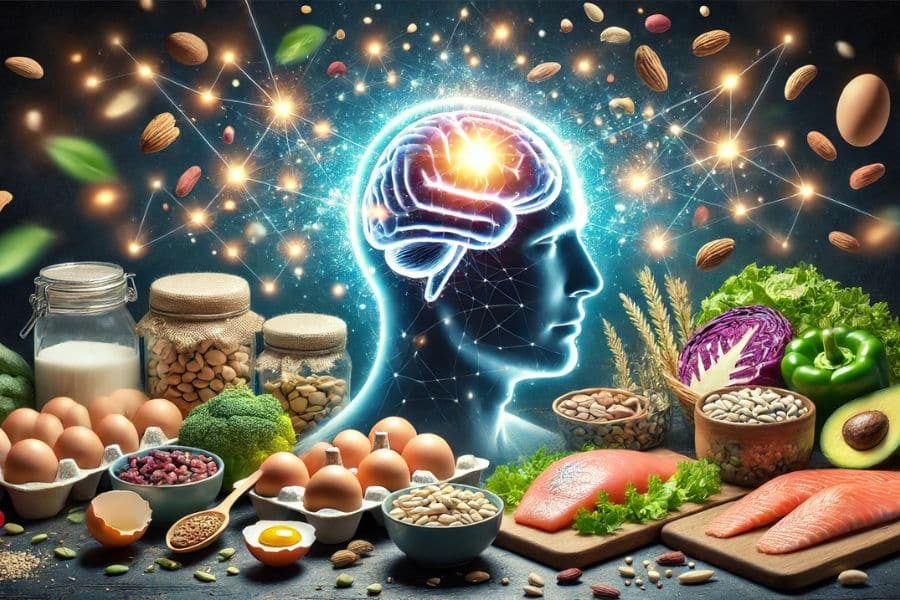
Benefits of High-Protein Diet
Eating a high-protein diet can really up your game when it comes to staying sharp and on your toes, especially as it relates to keeping your brain in top shape.
Protein and Cognitive Health
The amount of protein you munch on plays a huge role in keeping your brain firing on all cylinders. Getting enough protein in your diet might even help you dodge cognitive hiccups as you age, according to some brainy folks at Harvard Health Publishing. The scoop? Amino acids from protein-rich foods help your brain make neurotransmitters, the chemical messengers essential for brain communication.
- Serotonin: This guy helps regulate your mood, puts you to sleep, and eases that anxious feeling.
- Norepinephrine: Gives you a boost in alertness and gets you energized.
Keeping your amino acids in steady supply ensures your brain keeps cranking out those neurotransmitters that help you think clearly and stay emotionally balanced.
Plant vs. Animal Protein Intake
Both plant and critter proteins bring a ton to the mental table, though each has its own perks. Figuring out these nuances can help you fine-tune your diet for the best brain function.
Plant Protein
Protein from plants is packed with fiber, antioxidants, and key vitamins. They’re champions at promoting brain health by cutting down on inflammation and keeping your gut buddies happy. Top plant proteins to consider are:
- Beans
- Lentils
- Quinoa
- Tofu
- Nuts and seeds
Animal Protein
Animal proteins tick all boxes, delivering every essential amino acid your brain could want, making them top-notch complete protein sources. They’re also loaded with vitamins and minerals like B12, iron, and zinc, all of which give cognitive health a boost. Common sources of these include:
- Meat
- Poultry
- Fish
- Eggs
- Dairy products
| Protein Source | Amino Acids | Fiber | B Vitamins | Iron | Antioxidants |
|---|---|---|---|---|---|
| Beans | Complete | High | Moderate | Low | High |
| Meat | Complete | None | High | High | Low |
| Quinoa | Complete | High | Moderate | Moderate | High |
| Fish | Complete | None | High | High | Low |
Whether you’re all about plants or can’t say no to a juicy steak, you’ve got options. Mixing and matching sources can meet your needs whether you browse best high-protein foods or need high-protein diet meal ideas. And if weight loss is your jam, check out high-protein diet plans for weight loss to balance everything out.
Trying out a mix of protein powerhouses—be it from the field or farm—can pump up the mental perks of a high-protein diet. So, if sharp thinking and the benefits of a high-protein diet are on your list of goals, exploring your flavor-filled options is your ticket to brain boosts and clarity.
Nutritional Impact on Mental Health
Processed Foods and Mental Well-Being
Cutting back on processed foods can really boost your mood and mind. Eating meals packed with nutrition helps sharpen your focus, lengthen your attention span, and uplift your mood (Sutter Health). Processed goodies, especially those loaded with flour and sugar, can get as addictive as that last episode of your favorite series. Yeah, they light up your brain’s reward pathways, leaving you craving more junk. By kicking out sugars and refined carbs, you can actually tweak your brain’s chemistry positively and lose those pesky cravings.
Here’s what happens with a diet filled with processed munchies versus one that’s all about whole foods and proteins:
| Diet Type | Mental Well-Being Vibes |
|---|---|
| Processed Foods | More cravings, scatterbrained, anxiety, depression lurks |
| Whole-Food, High-Protein Diet | Better focus, level mood, cravings defeated |
Inflammation and Mood Disorders
Having a diet heavy on sugar and processed delights is like extending an invite to inflammation for your body and noggin. This party crasher’s been linked to stirring mood messes like anxiety and depression (Sutter Health). Stress or those tough days can push your eating habits down a slippery slope — overeating or under-eating, neither of which does your mind any favors.
Bringing lots of protein to your table helps manage this drama. Proteins come loaded with amino acids, essential for making neurotransmitters that can change your mood and mental vibe. Tryptophan, an amino acid superstar in protein-rich foods, is a must-have for serotonin, that feel-good brain chemical keeping your mood in check.
Find out more about how gobbling up a high-protein diet benefits your mental health by busting inflammation and smoothing out mood swings.
Wanna dive deeper into how proteins and other nutrients can turn your frown upside down? Check out our guides on best high-protein foods and high-protein diet and inflammation.
More cool stuff to check out:
- If you’re into whipping up your own meals, swing by high-protein diet meal ideas.
- Curious about tasty weight loss plans? Hit up high-protein diet meal plans for weight loss.
Switching to a high-protein diet and limiting processed foods might just be the ticket to happier vibes and better well-being.
Nutrient Deficiencies and Mental Function
Eating right isn’t just about keeping the waistband happy; your brain wants in on the action too. What we eat directly chatters away with our mental health, playing a starring role in keeping our minds sharp and sunny. Let’s take a sneak peek at how missing out on key nutrients, particularly amino acids and fatty acids, can throw a wrench into your brain’s gears.
Amino Acids and Neurotransmitter Production
Think of amino acids as the mastermind behind protein, responsible for sparking the magic called neurotransmitter production. Neurotransmitters are like your brain’s internal email system, shooting mood, focus, and cognition updates at lightning speed between neurons. If you’re lacking in the amino department, you’re likely to find yourself running short on serotonin and norepinephrine, key players in keeping you in a good headspace (NCBI).
Tryptophan is the VIP when it comes to amino acids—it’s the backstage pass to serotonin, your mood’s best buddy. Ironically, snacking on a T-bone might put the brakes on tryptophan’s journey to the brain, possibly messing with serotonin levels and opening the door to mood hiccups (BMC Public Health).
Protein has a finger in every neurotransmitter pie—dopamine for focus, and GABA for that chill vibe, making it a non-negotiable for mental well-being. Curious about how protein scores points for health? Check out high-protein diet benefits.
| Nutrient | Role | Function |
|---|---|---|
| Tryptophan | Precursor to serotonin | Mood keeper |
| Tyrosine | Precursor to dopamine | Concentration and pep |
| Glutamine | Precursor to GABA | Peace and relaxation |
Impact of Fatty Acids on Depressive Disorders
Let’s not forget fatty acids, with omega-3s stealing the spotlight. These goodies are brain fuel, champions in reducing mood swings. Fall short on omega-3s, and you’re asking for trouble with a side of the blues (NCBI).
Omega-3s keep brain cells silky and communicative. Scrimp on these, and brain signals can go haywire, messing with your thoughts and feelings.
Load up on animal proteins for a pescatarian portion of fatty acids. But to really hit the omega-3 jackpot, fish, flaxseeds, and walnuts are where it’s at.
| Fatty Acid | Source | Benefit |
|---|---|---|
| Omega-3 | Fish, flaxseeds, walnuts | Anti-inflammatory, boosts brain signal flow |
| Omega-6 | Poultry, nuts, seeds | Balances inflammation |
Thinking about brain-friendly eating habits? Dive into best high-protein foods and get inspired with high-protein diet meal ideas.
So, peeking into the amino and fatty acid world shows us why protein is a mental game-changer. Ready to kickstart a high-protein ride? Head over to how to start a high-protein diet.
Protein and Psychological Well-Being
Protein Intake and Psychological Well-Being
Your mood and mental vibes might just thank you for a hearty protein fix. Proteins are where we get amino acids—the building blocks for all those feel-good chemicals, like serotonin and norepinephrine, buzzing around in our brains. Mess up the protein, and those neurotransmitters might just throw a tantrum, leading to a bit of the ol’ blues snap (NCBI).
Folks munching on top-quality eats, packed with enough protein, often feel better mentally. A study with 2047 people right smack in the middle of life’s journey found those on the protein-rich menu were almost twice as likely to feel chipper (NCBI).
Throw a variety of protein goodies on your plate to hit that sweet spot. Can’t decide what to toss in your shopping cart? Check out our page showcasing best high-protein foods.
Psychological Impact of Macronutrients
Ever think about how your plate could mess with your head? Macronutrients—proteins, fats, and carbs—are kind of running that show. Gobbling up lots of saturated and trans fats might just perk up your depression, while munching on the good fats—MUFAs and PUFAs—might ease it down (NCBI). Studies, though, are still scratching their heads, so a balanced munch is the way to go.
| Nutrient Type | Psychological Impact |
|---|---|
| Proteins | They feed the mood-lifting neurotransmitter crew (like serotonin) |
| Unfriendly Fats (SFAs, Trans) | Watch out—they might invite a gloomy cloud |
| Friendly Fats (MUFAs, PUFAs) | Could help clear that gloom away |
| Carbohydrates | Tweak your sugar levels; mood might follow along for the ride |
Vitamin superstars like B vitamins, D, magnesium, zinc, iron, and those good omega-3s join protein in playing a starring role in brain function and may dial down depressive vibes a bit (NCBI). Protein-rich eats can fill these nutritional gaps.
Oh, and guess what? Omega-3s are hanging out in fatty fish too, which also comes with a protein top-up. So, next time you’re deciding on a meal? Fish might just be the brain and body bestie you need. For some inspiration, snag some meal ideas from our page on high-protein diet meal ideas.
Recognizing how macronutrients work together can really guide those munchies towards happier and healthier ground. Whether you’re flirting with a high-protein diet for weight loss or just want to explore the high-protein diet benefits, keep that food balance game strong to score those feel-good vibes and waistline wins.
High-Protein Diet and Mental Health
Role of Protein in Brain Function
In the brain department, protein’s like that secret sauce you didn’t know you needed. Proteins break down into amino acids, the little troopers your brain needs to whip up neurotransmitters like serotonin and norepinephrine. These guys are the brain’s messengers, managing your mood and emotions. If your brain’s neurotransmitter factory runs low on amino acids, your mood might get a little grim, possibly leading to conditions like depression. Basically, proteins aren’t just for gym buffs; they’re helping keep your mental game strong. Also, munching on protein gives you a feeling of fullness—putting a “hold please” on those random snack cravings. This magic happens because of gut hormones like cholecystokinin, glucagon peptide 1, and peptide YY, which signal your brain to check in with your energy levels.
| Role of Protein in Brain Function | Why It Matters |
|---|---|
| Acts as Neurotransmitter Booster | Helps sort out your thoughts and feelings |
| Keeps You Full Longer | Gut hormones keep brain informed about energy |
| Fuels Nutrient Supply | Bolsters mind, lifts the mood |
Protein Sources for Mental Well-Being
To keep those mental engines humming, you gotta throw in some tasty protein variety. Both plants and meaty options are on the table, but some are real brain food powerhouses.
- Fish: Fish like salmon swim in omega-3 fatty acids, and these help dial down depressive symptoms and gear up brain function.
- Legumes and Nuts: These plant powerhouses offer amino acids and the fiber your gut loves—after all, a happy gut means a happy brain.
- Dark Green Leafy Veggies: Lock ’em front and center on your plate. Their vitamins and minerals do wonders for protecting your brain and keeping your thinking sharp.
Check out this rundown of brain-buddy proteins:
| Protein Source | Key Goodies | How It Helps the Noggin |
|---|---|---|
| Fish (e.g., Salmon) | Omega-3 fatty acids | Keeps brain sharp, eases depressive vibes |
| Legumes and Nuts | Amino acids, dietary fiber | Gut’s friend and brain’s benefactor |
| Dark Green Leafy Vegetables | Vitamins, minerals | Safeguards brain, enhances brainwork |
For more fun food ideas, swing by our article on the best high-protein foods and grab some high-protein diet meal inspiration. Mixing and matching the good stuff in your meals keeps the brain in top gear and your mood on the happy side.
Plant vs. Animal Protein
Trying to figure out the difference between plant and animal proteins? It’s a big deal, especially when you’re thinking about a high-protein diet and mental health. The protein you pick could have quite the impact on your brain and how you feel. Let’s check out how each type influences things like serotonin and homocysteine levels—two big players in the mental health game.
Tryptophan and Serotonin Production
Tryptophan’s your guy if you want a happy brain. It’s the building block of serotonin, the chemical that helps keep your mood in check. But here’s the kicker: eat too much animal protein and tryptophan might have trouble getting into your brain. Less tryptophan often means less serotonin, which could mess with your mood.
There’s this cool study where folks munching on plant-based meals showed higher levels of tryptophan and tyrosine in their brains compared to meat-eaters (BMC Public Health). So, eating more greens might just cheer you up by helping those mood and behavior-related neurotransmitters out.
| Diet Type | Brain Tryptophan Levels | Brain Tyrosine Levels |
|---|---|---|
| Plant-Based Diet | Up | UP |
| Animal Protein Diet | Down | DOWN |
Thinking about boosting your serotonin? Maybe toss more veggies on your plate. Get the lowdown with our vegetarian high-protein diet guide.
Homocysteine Levels and Cerebral Health
Know what’s not a friend to your brain? Homocysteine when it’s all over the place. Eating loads of animal protein might spike those levels, which have been linked to some pretty serious mental health issues. High homocysteine can mess up neurotransmitters and even lead to trouble with your brain’s blood supply (BMC Public Health). Thankfully, plant proteins usually don’t cause those spikes, keeping things more stable in your noggin.
| Protein Source | Effect on Homocysteine Level |
|---|---|
| Animal Protein | Higher Levels |
| Plant Protein | Chill Levels |
Keeping your homocysteine levels on the down-low is important for your brain’s health. Opting for plant proteins could help keep mental health struggles at bay. Curious about making the plant-based switch? We’ve got tips on how to start a high-protein diet.
In the end, what you chow down on—plants or meat—can play a big role in your mental health. Mixing them up could give your mind and body the best of both worlds. For more detailed meal plans and ideas, check out our resources on high-protein diet meal ideas and the best high-protein foods for mental wellness.