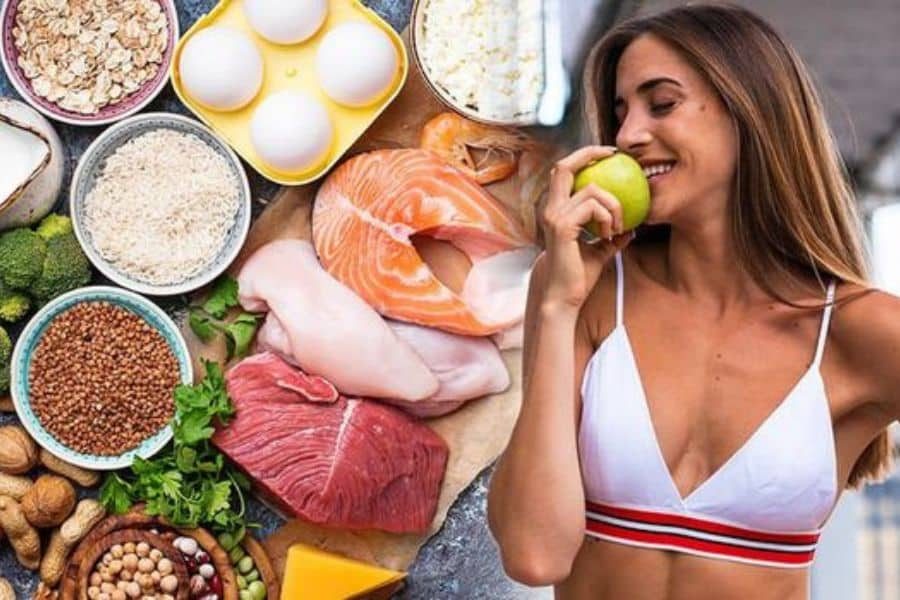
Vegetarian Protein Sources
Finding solid vegetarian protein picks is important for staying healthy and keeping that body of yours running like a well-tuned engine. A couple of the go-to’s in the veggie world are legumes and beans, nuts, and seeds. Hang tight as we explore these tasty options!
Legumes and Beans
Talk about all-stars in vegetarian meals! Legumes and beans won’t just load you up with protein but also have a bunch of other good-for-you stuff.
-
Lentils: These little guys pack a punch with 18 grams of protein per cooked cup (198 grams). Plus, they’re bursting with fiber, folate, manganese, iron, antioxidants, and all sorts of health boosters (Healthline).
-
Beans: Whether you’re talking kidney, black, pinto, or great northern beans, these are protein champs! Most beans come in at about 15 grams of protein per cooked cup (170 grams). They’re also full of complex carbs, fiber, iron, folate, and more (Healthline).
-
Edamame: Young soybeans or edamame deliver over 18 grams of protein and 8 grams of fiber per cup. They’re also great for magnesium, manganese, folate, vitamin K, and iron (ZOE).
-
Tofu: Made from soybeans, tofu offers around 15 grams of protein per quarter block. Toss it into any dish for a boost of calcium and iron (ZOE).
| Legume/Bean | Protein per Cup (g) | Bonus Nutrients |
|---|---|---|
| Lentils | 18 | Fiber, folate, manganese, iron, antioxidants |
| Kidney Beans | 15 | Complex carbs, fiber, iron, folate |
| Edamame | 18 | Fiber, magnesium, manganese, folate, vitamin K, iron |
| Great Northern Beans | 19 | Fiber, complex carbs, iron, folate |
| Tofu | 15 | Calcium, iron |
Need some meal ideas? Check out our high-protein diet meal ideas for more!
Nuts and Seeds
If you’re after some snazzy protein snacks, nuts and seeds aren’t just filling—they keep things interesting.
-
Almonds: You get about 6 grams of protein per ounce (28 grams) with almonds. And the perks? Loads of healthy fats, fiber, vitamin E, and magnesium.
-
Pumpkin Seeds: These seeds are another protein fave, with 7 grams per ounce. Perfect for magnesium, iron, and zinc boosts.
-
Sunflower Seeds: These powerhouses offer about 5.5 grams of protein per ounce and are rich in vitamin E, magnesium, and selenium.
-
Chia Seeds: A single ounce (28 grams) gives you 4.7 grams of protein. Plus, they’re a mine of omega-3 fatty acids, fiber, and other nutrients.
| Nut/Seed | Protein per Ounce (g) | Bonus Nutrients |
|---|---|---|
| Almonds | 6 | Healthy fats, fiber, vitamin E, magnesium |
| Pumpkin Seeds | 7 | Magnesium, iron, zinc |
| Sunflower Seeds | 5.5 | Vitamin E, magnesium, selenium |
| Chia Seeds | 4.7 | Omega-3 fats, fiber, calcium, iron, magnesium |
Hop over to learn more about what a high-protein vegetarian diet can do for your health in our post on high-protein diet benefits.
Mix in some legumes, beans, nuts, and seeds into your meals, and you’ll easily hit those protein goals while keeping things fresh. Need more meal inspiration? Our high-protein diet meal plans for weight loss are waiting for you. 🥦🌰
Benefits of a High-Protein Vegetarian Diet
Choosing a high-protein vegetarian diet packs a punch with perks like boosting your muscle mojo and helping you slim down. Let’s explore some of these standout benefits and why they matter to you.
Muscle Strength and Fullness
Munching on a high-protein vegetarian diet can beef up your muscles — without the beef. Protein is like the fairy godmother of muscle repair and growth, especially after your sweat sessions. Lentils, kidney beans, and other legumes are champs in the plant-based protein world. They each dish out a hefty dose of this key nutrient (Healthline).
| Food Source | Protein per Cooked Cup (g) |
|---|---|
| Lentils | 18 |
| Kidney Beans | 15 |
| Black Beans | 15 |
| Pinto Beans | 15 |
Data Source: Healthline
Throw these protein powerhouses into your meals, and you’ll not only bulk up but also soak up loads of fiber, iron, and folate. Check out more high-protein diet meal ideas for sneaky ways to add these foods to your chow.
Weight Loss
A high-protein vegetarian diet ain’t just about muscles. It can also trim your waistline. Protein keeps your tummy happy and satisfied for longer (Healthline), knocking down those snack attacks and meal-time munchies.
The fiber in those beans and lentils does double duty, slowing digestion and spreading out that full feeling.
| Food Source | Fiber per Cooked Cup (g) |
|---|---|
| Lentils | 15.6 |
| Kidney Beans | 13.4 |
| Black Beans | 15 |
| Pinto Beans | 15.4 |
Data Source: Healthline
These combo benefits turn a veggie-packed high-protein diet into your secret weapon for weight control. Curious about using this magic for shedding pounds? Peep our high-protein diet meal plans for weight loss.
Mix up your meals with a rainbow of nutrient-rich, high-protein vegetarian goodies. You’ll hit those health goals and keep your diet on point. For more handy tips, don’t miss our guide on how to start a high-protein diet.
Challenges of a Vegetarian Diet
Jumping into a vegetarian high-protein diet? Sure, it comes with a heap of good stuff like muscle strength, feeling fuller, and dropping a few pounds. But, hey, let’s not ignore the tricky bits – especially when it comes to grabbing all those nutrients and pulling off a solid meal plan. Knowing the speed bumps along the way can help you steer your diet towards the land of good health.
Nutrient Deficiencies
One of the big stumbling blocks for vegetarians can be missing out on vital nutrients. If your meals are full of processed junk, you might end up a bit nutrient-starved (Healthline). Here’re a few nutrients you gotta chase down:
- Vitamin B12: Mostly hiding out in meat. Veggies should hunt for fortified foods or pop a supplement. Missing it? That can mess with your blood and nerves real bad (Healthline).
- Iron: Plant iron’s a bit stubborn and doesn’t get into your body easy. So, not managing it could tire you out and drop your energy to the basement.
- Calcium: Keeping those bones tough usually relies on dairy. Non-dairy milk might be your new best friend here.
- Zinc: A tough one mainly found in meat but essential for healing those scrapes and boosting your immunity.
- Iodine: Hard to snag without eating fish, but still a must-have.
- Omega-3 Fatty Acids: Fish is where it’s at for these. Flaxseeds? They’re an okay start, but to hit the daily dose, you could use some extra help (Healthline).
Planning for Essential Nutrients
Wanna avoid those nutritional black holes? You gotta get on your game with meal planning. Here’s the skinny on keeping your vegetarian high-protein plan together:
- Vitamin B12: Dive into fortified stuff like plant milks, cereals, or splash out on B12 pills. Nori seaweed can chip in but don’t rely on this solo (Healthline).
- Iron: Pair it up with vitamin C foods to boost absorption—think lentils, chickpeas, fortified cereals, and spinach.
- Calcium: Fortified milks, tofu, almonds, and leafy greens can keep your bones in their prime.
- Zinc: Chow down on whole grains, legumes, nuts, and seeds. Soak or sprout ’em to get more bang for your buck.
- Iodine: Salt or seaweed like kelp and dulse can tide you over.
- Omega-3 Fatty Acids: Flaxseeds, chia seeds, walnuts, and hemp seeds are cool, but algae-based omega-3 might seal the deal.
| Nutrient | Sources | Pointers |
|---|---|---|
| Vitamin B12 | Fortified foods, supplements | Mostly in meat—fortify away |
| Iron | Lentils, chickpeas, spinach | Pair with vitamin C eats to help absorption |
| Calcium | Fortified plant-milks, tofu | Essential for bones, often in dairy |
| Zinc | Whole grains, legumes, nuts | Soaking and sprouting boost what you get |
| Iodine | Iodized salt, seaweed | Found in seafood, but seaweed works too |
| Omega-3 Fatty Acids | Flaxseeds, chia seeds, walnuts | Try algae-based supplements for full omega-3 kick |
Whether you’re mapping out meals or tracking down nutrient-rich bites, swing by our high-protein diet meal ideas and best high-protein foods. Keep those eats diverse and nutrient-packed, and you’ll crush that vegetarian high-protein lifestyle!
Importance of Complete Proteins
When you’re diving into a vegetarian, high-protein diet, it’s key to make sure you’re loading up on complete proteins. These little champs pack all nine essential amino acids your body craves.
Complete Protein Sources
Most plant-based foods aren’t the whole package when it comes to amino acids. But don’t sweat it—there are some powerhouse foods that hit the mark.
| Food Source | Protein per 100g (g) | Completeness |
|---|---|---|
| Tofu (Soybean Curd) | 8 | Complete |
| Quinoa | 14 | Complete |
| Amaranth Seeds | 14 | Complete |
| Buckwheat | 13 | Complete |
Sources: (Better Health, Victoria)
- Soy Products: Tofu, tempeh, edamame—they’re like the holy trinity of soy goodness.
- Quinoa: This grain-like super seed will jazz up just about any meal.
- Amaranth Seeds: Tiny but mighty and full of nutrients.
- Buckwheat: Delicious in your weekend pancakes or favorite noodle dish.
Want the scoop on the best high-protein foods? Check out our best high-protein foods guide.
Protein Complementation
Not every plant-based bite is a complete protein. But by mixing and matching throughout your day, you can still get all those essential amino acids. This is the magic of protein complementation.
Here’s how you can team up your proteins:
| Combination | Amino Acids |
|---|---|
| Rice and Beans | Complete |
| Hummus and Whole Wheat Pita | Complete |
| Peanut Butter on Whole Grain Bread | Complete |
| Lentils and Almonds | Complete |
Sources: (Better Health, Victoria)
Timing isn’t crucial—no need to pair ’em up at the same meal. Just make sure to mix a variety of proteins throughout the day to keep your body in amino acid heaven.
To flex those muscles, shed some pounds, and keep your health in check, diversify your protein intake. Peek at our meal plans for high-protein diet meal ideas. Discover the perks in our article on high-protein diet benefits. Guys, there’s even more tailored advice in our high-protein diet for men article to fuel your needs.
Meal Planning for a Vegetarian Diet
Meal-time hustle can be a real puzzle when you’re on a vegetarian high-protein quest. No need to stress though—I’ve rounded up some stellar tips and ideas to punch up your meals with the right nutrients.
Sample High-Protein Meals
You can pack a punch into your meals with some nifty high-protein treats that even your taste buds will high-five you for. Dive into these yummy choices:
- Teriyaki Tofu
- Veggie Protein Chili
- Vegetarian Ramen
- Layered Aubergine & Lentil Bake
- Vegetarian Enchiladas
- Halloumi Traybake
- Lentil Bolognese
These ain’t just tasty creations on your plate. They’re packed full of tight-knit protein pals like tofu, beans, lentils, and some cheese magic. For extra inspiration, peep our high-protein diet meal ideas.
Here’s a cheeky weekly meal plan using these crowd-pleasers:
| Day | Breakfast | Lunch | Dinner |
|---|---|---|---|
| Monday | Greek Yogurt with Nuts | Quinoa & Black Bean Salad | Teriyaki Tofu |
| Tuesday | Smoothie with Spinach & Hemp | Chickpea Salad | Veggie Protein Chili |
| Wednesday | Scrambled Eggs & Avocado | Lentil Soup | Vegetarian Ramen |
| Thursday | Cottage Cheese & Berries | Hummus & Veggie Wrap | Layered Aubergine & Lentil Bake |
| Friday | Overnight Oats with Chia | Lentil & Sweet Potato Bowl | Vegetarian Enchiladas |
| Saturday | Tofu Scramble | Greek Salad | Halloumi Traybake |
| Sunday | Peanut Butter on Whole Wheat | Bean & Corn Salad | Lentil Bolognese |
Keeping Your Nutrients in Check
Going full throttle on a high-protein diet means keeping your nutrients in check too. Here’s the lowdown:
- Vitamin B12: Find it in fortified goodies or supplements. It’s usually chilling in animal stuff.
- Iron: Catch some from lentils, chickpeas, and spinach. Hook it up with vitamin C foods to amp it up.
- Calcium: Hit up plant-based milk, tofu, and leafy greens for a good dose.
- Zinc: Beans, lentils, and seeds got you covered.
- Omega-3 Fatty Acids: Hit up flaxseeds, chia seeds, and walnuts for that ALA goodness.
Mixing up your plant proteins throughout the day unlocks all those golden all-essential amino acids (NCBI PMC Source). Think beans meets rice or lentils chilling with whole wheat bread for those vibes.
Aim for meals that swing you 15-20 grams of protein per dish. Here’s a quick cheat sheet of some heavyweight vegetarian options:
| Food Item | Protein (g per serving) |
|---|---|
| Tofu (1/2 cup) | 10 |
| Lentils (1 cup) | 18 |
| Quinoa (1 cup cooked) | 8 |
| Chickpeas (1 cup) | 15 |
| Greek Yogurt (1 cup) | 10 |
| Almonds (1/4 cup) | 8 |
Keeping your nutrient pals happy on a vegetarian high-protein diet means gaining in muscle hustles, feeling fuller, and tackling weight loss like a champ—without skimping on those vital bits and bobs. Pop over to our high-protein diet meal plans for weight loss for the full scoop.
Considerations for Athletes
Alright, if you’re an athlete aiming to up your game with a vegetarian high-protein diet, let’s chat about what your body really needs. We’ll cover the protein basics and how plants can seriously boost athletic performance—all without making you reach for that dusty protein shaker.
Protein Needs for Athletes
Listen up, protein is like the secret sauce for fixing up those muscles and making ‘em grow. It’s a must-have, especially if you’re the type who can’t sit still. Now, you might be thinking, “Can my veggie diet keep up?” Good news—yes, it totally can, without turning to those cliché protein powders or bars (Forks Over Knives).
| Recommended Protein Intake (g/kg/day) | Athlete Type |
|---|---|
| 1.2 – 2.0 | Endurance Buffs |
| 1.6 – 2.2 | Strength Fans |
| 2.2 – 2.5 | Calorie-Cutting Bodybuilders |
These numbers aren’t just for show—they’re there to make sure you’re not only repairing but also keeping that muscle mass happy. A little fact to drop at your next workout buddy chat: veggie athletes tend to run around 20% more and can breathe like champs, with their oxygen uptake being 12-13% higher compared to meat lovers (PubMed Central).
Plant-Based Protein for Performance
In veggie land, eating from various plants is king. This variety keeps your amino acid lineup full and fabulous. So instead of skimping on a single protein source, mix it up. Studies show no real shortage of protein among those who stick to plants in Western countries (NCBI PMC).
Here’s where the yumminess begins:
- Legumes like lentils, chickpeas, and black beans (hello, taco night!)
- Nuts and seeds such as almonds, chia, and hemp seeds (perfect for snacking)
- Whole grains like quinoa and farro (the posh cousins of rice)
- Soy good stuff like tofu, tempeh, and edamame (sushi time!)
These foods pack more than just protein; they bring along buddies like essential nutrients to rock your training. Mixing different foods throughout the day guarantees no amino acid will miss the party.
Thinking about complete proteins? Check out how to pull it all together with protein complementation.
By nailing your protein groove, you’re on the fast track to getting stronger, faster recovery times, and feeling good all around. Peek at our high-protein diet meal plans for weight loss for some inspiration.
Staying smart about your eats not only fuels your workouts but keeps you on point with other biggies like vitamin B12, iron, zinc, and calcium (PMC). Swing by and check out high-protein diet benefits for how to keep that active vibe strong.