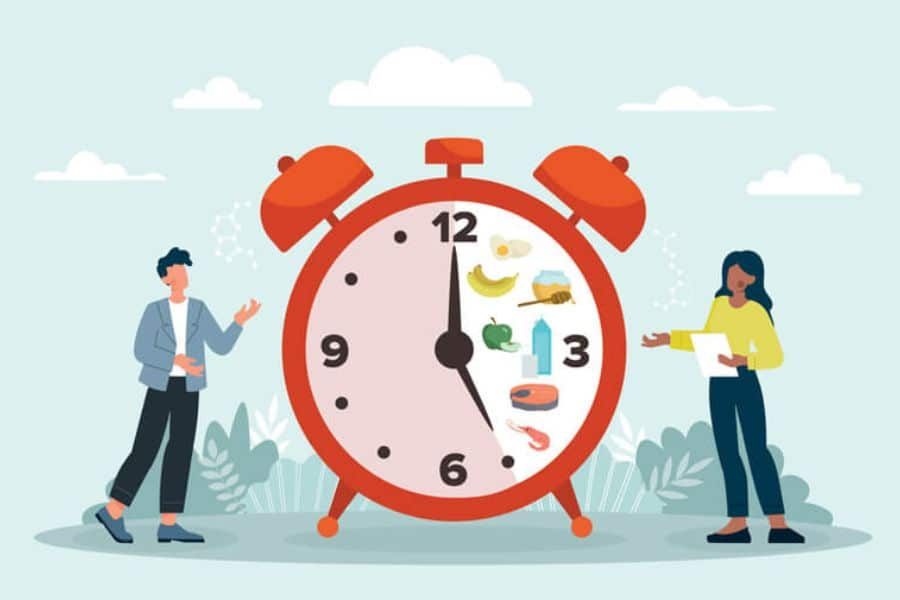
Understanding Intermittent Fasting
So, you’ve probably heard the buzz about intermittent fasting—it’s like the trendy kid on the block when it comes to health and fitness. Folks are jumping on this bandwagon because it helps with shedding pounds, boosting metabolism, calming stress, and might even fend off some pesky diseases (Healthline). Thinking about giving it a shot? Here’s the lowdown on what you’re getting into.
Basics of Intermittent Fasting
Intermittent fasting is all about playing a game of “now you eat, now you don’t.” It’s not your typical diet where you count calories—it’s about the when you munch, not the what. There are a few styles out there to fit your groove:
- 16:8 Style: Fast for 16 hours, feast in an 8-hour window.
- 5:2 Diet: Eat like you normally would for five days, then go light on the calories (500-600) on the other two.
- Every-Other-Day Fasting: Alternate between regular eating and eating almost nothing.
The trick is picking a routine that matches your vibe. Want more options? Check out our rundown on intermittent fasting methods.
Science Behind Intermittent Fasting
Here’s where it gets juicy: Intermittent fasting works because of something called metabolic switching. Basically, when you stretch the time since your last meal, your body munches through its sugar reserves and starts burning fat for fuel (Johns Hopkins Medicine). It’s a nifty trick for losing weight and zapping fat.
How does fasting mess with your metabolism with each method? Let’s break it down:
| Fasting Method | What Happens Inside You |
|---|---|
| 16:8 Style | Torches stored fat once sugar reserves are toast |
| 5:2 Diet | Slashes insulin levels, enhancing fat burn |
| Every-Other-Day | Cranks up your metabolic engine with calorie swings |
Besides helping you drop pounds, intermittent fasting has a bunch of perks. It ups the game for your brain by raising brain-derived neurotrophic factor (BDNF)—think of it as brain fertilizer for memory and nerve cell growth (CookUnity). It might even be a shield against stuff like Alzheimer’s.
Craving more on what this eating style can do for you? We’ve got more deets in our articles on intermittent fasting benefits and results you can expect.
Jump into the fasting world armed with the basics and science, making savvy picks for your health and lifestyle. Want a plan to follow? Dive into our intermittent fasting meal plan to kickstart your adventure.
Popular Intermittent Fasting Methods
You’ve decided to try intermittent fasting, huh? It’s a great choice if you want to shed some pounds without giving up your favorite foods entirely. Here’s the lowdown on three popular ways folks are doing it.
16:8 Method
Ever heard of the Leangains diet? That’s just a fancy name for the 16:8 method. You eat your meals in an 8-hour window and fast for the rest of the day. It’s like hitting the pause button on snacking. According to a 2022 review, this approach not only helps in weight loss but also keeps your blood sugar in check, especially for adults carrying a tad extra weight. So, what’s stopping you from skipping the midnight raid on the fridge?
Sample Schedule for 16:8 Method
| Time | Activity |
|---|---|
| 8:00 AM | Last meal before fast |
| 12:00 PM | Time to chow down |
| 8:00 PM | Wrap up the munching |
Perfect for the newbies trying to ease into fasting. Give your tummy a chance to get used to it before going hardcore.
5:2 Diet
Here’s the deal with the 5:2 Diet: Eat like you normally do for five days, then take it easy with the calories on the other two days. Simple, right? A study done in 2021 found that this method actually helps people with obesity lose weight. It’s like giving your metabolism a little vacation twice a week.
Sample Caloric Intake for 5:2 Diet
| Day of the Week | Caloric Intake |
|---|---|
| Monday | Regular |
| Tuesday | Regular |
| Wednesday | Regular |
| Thursday | Regular |
| Friday | Regular |
| Saturday | ~500 calories |
| Sunday | ~500 calories |
So if daily fasting isn’t your thing but you’d still like to see results, this one might be right up your alley!
Alternate Day Fasting
Alternate day fasting is exactly what it sounds like—fast one day, eat normally the next. Some folks might nibble on just 500 calories during their fasting days or skip solid food altogether. It’s not for the faint of heart or if you’ve got certain health concerns. Think of it as the extreme sports version of fasting. Keep a healthcare pro in your corner before you dive into this one.
Sample Schedule for Alternate Day Fasting
| Day | Caloric Intake |
|---|---|
| Monday | Regular |
| Tuesday | Fasting (~500 cal) |
| Wednesday | Regular |
| Thursday | Fasting (~500 cal) |
| Friday | Regular |
| Saturday | Fasting (~500 cal) |
| Sunday | Regular |
Before hopping onto this rollercoaster, have a chat with your doctor to make sure it’s A-OK for you.
Remember, fasting is not one-size-fits-all. Everyone’s body does its own thing. If these methods tickle your fancy, you might want to dig a bit deeper into the world of intermittent fasting for weight loss or try these intermittent fasting methods. For the tech-savvy fasters out there, check out some intermittent fasting apps to track your journey.
Exploring Specific Intermittent Fasting Plans
So, you’re curious about intermittent fasting and want to find a plan that doesn’t cramp your style? Let’s jump into a few options that might just click with your life and how you roll.
Eat-Stop-Eat Diet
Think of the Eat-Stop-Eat gig as pressing pause on food for a full day—once or even twice a week. During this timeout, you can sip on water, tea, or black coffee to keep you ticking. The other days? Chow down as usual but with an eye on your appetite, keeping those calories in check without feeling like you’re missing out (Medical News Today).
| Day | What You Eat |
|---|---|
| Monday | Zip, zero (24-hour fast) |
| Tuesday | Normal grub |
| Wednesday | Normal grub |
| Thursday | Zip, zero (24-hour fast) |
| Friday | Normal grub |
| Saturday | Normal grub |
| Sunday | Normal grub |
This plan helps you cut down on eating, giving you the freedom to be a bit more laid-back on your non-fasting days. Curious about sticking to a schedule? Check out our guide on intermittent fasting schedule.
Warrior Diet
For those who want to take it up a notch, there’s the Warrior Diet. Here’s the deal: fast for a whopping 20 hours, munching on tiny bits of raw fruit, veggies, or a hint of protein. Then, come evening, it’s feast time with one hearty meal that covers your nutrition bases (Medical News Today).
| Time | Meal Plan |
|---|---|
| 6:00 AM – 4:00 PM | Nibble on fruits, veggies, and a bit of protein |
| 4:00 PM – 8:00 PM | Dig into a big meal |
This routine could be a bit tough, trying to get all your ducks in a row, nutrition-wise, in just one meal. But don’t worry, we’ve got you covered! For tips on balancing your diet with fasting, swing by our write-up on intermittent fasting and supplements.
Effects of Different Plans
Each fasting plan has its own perks and quirks. Knowing what each does to your body can help you pick the one that fits you the best.
| Fasting Plan | What It Does |
|---|---|
| 16:8 Method | Can help you stay trim and keep blood sugar steady (Medical News Today) |
| 5:2 Diet | Gives you wiggle room with eating; light on calories for two days (Johns Hopkins Medicine) |
| Eat-Stop-Eat | Cuts back on calories while you eat normally on other days (Medical News Today) |
| Warrior Diet | Tough to stick to, might miss out on key nutrients (Medical News Today) |
Getting your fast on is linked to good stuff: living longer, staying lean, and warding off things like type 2 diabetes and heart problems (Johns Hopkins Medicine). For more deets on the good vibes from fasting, check out intermittent fasting benefits.
Armed with this know-how, you get to choose the fasting style that jives with your lifestyle and health goals. New to this? Here’s a tip: swing by our intermittent fasting for beginners page to kick things off on the right foot.
Health Benefits of Intermittent Fasting
Intermittent fasting is like the buzzword of wellness these days and for good reason. If you’re jumping on the intermittent fasting meal plan train to shed some pounds, you’re in for more than just a slimmer waistline. There are tons of perks that might just make you wanna stick with it. Let’s dig into how it can help manage your weight, keep your blood sugar in check, and kick those pesky diseases to the curb.
Weight Management
Intermittent fasting ain’t just about skipping breakfast; it’s a handy tool for weight management. The 16:8 method, a fancy name for not eating for 16 hours a day, has shown promise in keeping weight and blood sugar in line for folks not loving their scale number (Medical News Today). By narrowing down eating time, you naturally munch on fewer calories, which helps speed up weight loss.
| Fasting Method | % Weight Loss After 3 Months |
|---|---|
| 16:8 Method | 3-4% |
| 5:2 Diet | 2-3% |
| Alternate Day Fasting | 4-5% |
Want to know more about these fasting techniques? Head over to our section on intermittent fasting methods.
Blood Sugar Control
Intermittent fasting isn’t just a diet trend; it’s a game-changer for blood sugar control. Research points out that skipping out on those midnight snacks can lower insulin and blood sugar levels. This means giving diabetes a run for its money (Healthline). Better insulin sensitivity means your body’s a pro at handling sugar, slashing your type 2 diabetes risks.
Curious about how fasting tames those sugar levels? Get the scoop in our article on intermittent fasting and blood sugar.
Disease Prevention
Turns out, intermittent fasting is more like a superhero for warding off nasty diseases. Studies shout-out its potential to fend off chronic bad guys like type 2 diabetes, heart disease, and even brain disorders (Johns Hopkins Medicine). The benefits stretch to boosting how your metabolism gears, fighting off stress from free radicals, and chilling out inflammation.
| Chronic Disease | Fasting Impact |
|---|---|
| Type 2 Diabetes | Improved insulin sensitivity |
| Heart Disease | Lowered blood pressure and cholesterol |
| Neurodegenerative Disorders | Enhanced brain health |
If you’re all about diving into the nitty-gritty, check out our piece on intermittent fasting benefits.
Kicking off your intermittent fasting journey can offer a heap of health rewards beyond just dropping a few pounds. Start with a solid intermittent fasting meal plan and pack it with the good stuff to supercharge these sweet benefits. For more tips and advice, peek at our beginner’s guide intermittent fasting for beginners, our go-to intermittent fasting tips, and real talk from intermittent fasting results.
Side Effects and Considerations
Before jumping into an intermittent fasting meal plan, you gotta know what you’re getting into—like figuring out the potential bumps in the road and things to watch out for.
Potential Side Effects
Intermittent fasting can hit different folks in different ways, depending on how long you fast and how your body runs. Some all-too-common speed bumps might be:
- Headaches: Your noggin might throb a bit.
- Low Energy: Feelin’ like a slug?
- Irritability: Ready to snap at the tiniest things.
- Constipation: Uh-oh, bathroom blues.
Your bod might just need a hot minute to settle into the groove of new chow-down times (source: Harvard Health Publishing). If it’s too rocky, consider adjusting to less hardcore fasting schedules. More on that, hit up intermittent fasting side effects.
Impact on Hormones
Intermittent fasting messes with the usual suspects, a.k.a. your hormones. They’re the big players in how hungry you feel and how your body burns fuel. Who’s involved? Check this out:
| Hormone | What’s the Deal? |
|---|---|
| Ghrelin | Cranks up hunger |
| Insulin | Gets better at its job |
| Cortisol | Stress-o-meter might spike |
The trick here is to sync up your fasting with your body’s natural clock to keep these hormones from going haywire. For the full scoop on juggling your system better, check out the intermittent fasting benefits page.
Risks for Certain Groups
Intermittent fasting ain’t everybody’s cup of tea. Some people should think twice before hopping on this train:
- Older Adults: Too much weight loss can mess with bones, immunity, and zap your get-up-and-go energy (source: Harvard Health Publishing).
- Folks with Health Conditions: If you’re on meds for things like diabetes or heart complaints, fasting might shake up your insides a little too much.
- Pregnant or Nursing Moms: Baby’s hungry, and so are you—a risky time to be skipping meals.
Always chat with a doctor or healthcare guru before taking your first step on the intermittent fasting path if you’re in any of these groups. For advice tailored to the ladies and anyone with health concerns, sneak a peek at intermittent fasting for women and intermittent fasting risks.
Getting the low-down on these side effects and ideas helps you make choice moves and tweak your fasting game for the best results. Rock on with your health journey!
Starting Your Intermittent Fasting Journey
Kicking off your intermittent fasting experience might seem like a head-scratcher at first, but with a sprinkle of planning and the right scoop of info, it gets a lot simpler. Let’s dive into meal planning, keeping hydrated, and munching on the good stuff.
Meal Planning
Lining up your meals for intermittent fasting in a way that works for you is like having a secret weapon. You’ll want to chow down on foods that fill you up nicely and keep you buzzing through those fasting hours. Here’s the lowdown:
- Break That Fast Right: Jumpstart with a meal loaded with lean proteins, healthy fats, and complex carbs.
- Lunch and Dinner Play It Smart: Stick with dishes that mix protein, good fats, and a bunch of veggies.
- Snacking? Sure Thing: Go for nuts, seeds, or a piece of fruit when you need a little something-something.
Here’s a sneak peek into what a day of tasty and healthy meals looks like:
| Meal | Foods Included | Calories |
|---|---|---|
| Breakfast (7 AM) | Greek yogurt, berries, nuts | 350 |
| Lunch (1 PM) | Grilled chicken, quinoa, mixed greens | 450 |
| Dinner (7 PM) | Salmon, sweet potatoes, steamed broccoli | 500 |
| Snack | Apple, almond butter | 250 |
By getting your meals sorted and in sync with your fasting times, you’ll keep eating healthy without a hitch. Need more meal ideas? Swing by our intermittent fasting recipes.
Hydration and Beverages
Keeping up with your water game during fasting isn’t just nice—it’s a must. Sipping on water all day keeps your metabolism rolling and your belly from grumbling. Here’s what you can sip on:
- Water: Your best buddy for staying hydrated and curbing those cravings.
- Black Coffee: Perk up without worrying about messing up your fast. Steer clear of milk or sugar.
- Tea: Go for those calorie-free herbal or green kinds.
- Electrolytes: If you’re doing heavy workouts, consider zero-calorie electrolyte drinks.
Skip the sugary and calorie-heavy drinks while fasting. Keeping hydrated is a win-win for both health and your fasting plans. Want to know more about fasting without feeling parched? Check out our intermittent fasting tips.
Incorporating Nutritious Foods
Eating right makes your intermittent fasting program sing. During the time you can eat, focus on food that’s wholesome and seriously good for you. Here’s what to pile up on your plate:
- Leafy Greens: Spinach, kale, and arugula are powerhouses of vitamins.
- Healthy Fats: Avocado, olive oil, and nuts to get those good fats.
- Lean Proteins: Chicken, turkey, fish, and legumes are great for keeping muscles happy and you satiated.
- Whole Grains: Quinoa, brown rice, and oats are your go-tos for steady energy.
- Fruits and Vegetables: Load up on these for fiber, vitamins, and those antioxidant goodies.
Check out this quick peek into the kind of rich foods to include in your meals:
| Food Category | Examples | Benefits |
|---|---|---|
| Leafy Greens | Spinach, kale | Rich in vitamins A, C, and K |
| Healthy Fats | Avocado, nuts | Full of essential fatty acids |
| Lean Proteins | Chicken, fish | Helps with muscle fix and growth |
| Whole Grains | Quinoa, oats | Keeps energy up |
| Fruits & Veggies | Berries, broccoli | Bursting with antioxidants and fiber |
Getting a colorful mix of these in your meal makes sure you’re eating balanced and staying on track for your fasting goals. For more intriguing reads about nutrition and fasting, hit up our intermittent fasting benefits.
Starting your fasting journey with these building blocks sets the stage for hitting your goals. By smartly planning meals, keeping those water bottles handy, and eating nutritious foods, you’ll rock the intermittent fasting scene.