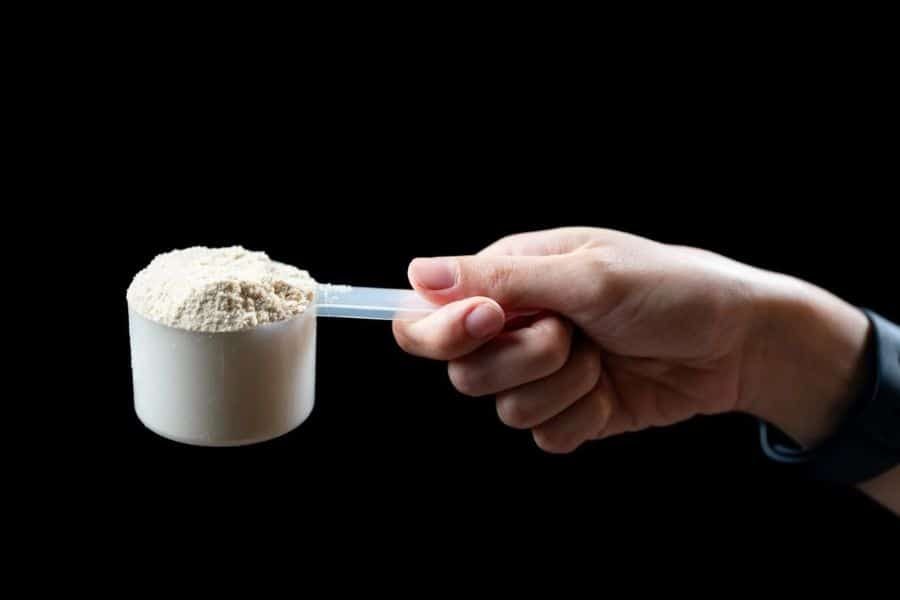
Why Protein Powder Matters
Protein powder’s a handy helper for muscle builders, weight watchers, and just about anyone wanting to stay healthy. Let’s break down why it’s so good for you and how much protein folks actually need.
Why You Might Want Protein Powder
Protein powders bring some cool benefits to the table. Check these out:
- Building Muscles: Slap some protein powder into your post-workout routine and watch your muscles repair and grow faster. Want more info? Peek at our article on protein powder for muscle growth.
- Managing Weight: Protein keeps you full. This means less snacking and smaller meals. Medical News Today says whey protein can even help shed some pounds and fat in folks with extra weight.
- Easy Peasy: Protein powders are a simple way to hit your protein goals, especially if you’re a vegetarian struggling to get enough from just food. This can be a lifesaver during hardcore training when you need more protein.
How Much Protein Do You Need?
Different strokes for different folks when it comes to protein, depending on things like how old you are, your workout habits, and health. Here’s a quick look:
- Most Folks: In places like the US, people generally chow down about 1.3–1.4 grams of protein per kg per day (NCBI).
- Athletes and Gym Rats: Those who push their limits in the gym might need up to twice the normal amount, around 1.4 to 2.0 grams per kg of weight (Medical News Today). For somebody clocking in at 175 pounds, that’s 111–159 grams a day.
- Older Folks and Those with Chronic Illnesses: These guys might need more, too, to stay strong and healthy.
| Who Needs Protein | Protein Needed |
|---|---|
| Most Folks | 1.3-1.4 grams/kg/day |
| Athletes and Gym Lovers | 1.4-2.0 grams/kg/day |
| Older & Chronically Ill | More than everyday folks |
Knowing your own protein needs will make using protein powder a smoother and smarter part of your routine. Vegetarians can breeze through their protein goals by picking the right products. Check out protein powder for vegetarians for the scoop on plant-based options.
When paired right with whole foods, protein powder can be a game-changer for anyone keen on boosting health and fitness. If you’re curious about more benefits or specific uses like dropping some weight, swing by articles on protein powder benefits or protein powder for weight loss.
Protein Powder for Vegetarians
Meeting Protein Needs for Vegetarians
Eating enough protein can be tricky for vegetarians, especially if you’re hitting the gym hard. If you’re training like a beast, some studies show that you might need double the usual protein intake. For someone tipping the scales at 175 pounds, that’s around 111-159 grams every day (Medical News Today).
Protein powders can come to the rescue here. They not only help you stay full and potentially eat less, but they also support muscle growth (protein powder benefits).
| Source | Protein (g) per Cooked Cup |
|---|---|
| Lentils | 18 |
| Beans | 15 |
| Nutritional Yeast (per half ounce) | 8 |
Vegan-Friendly Protein Powder Options
For vegetarians, going for vegan protein powders is a smart move. Check out these solid options that’ll keep you on track with your protein and diet needs.
Pea Protein Powder
This one’s made from yellow peas, and it’s easy on your stomach. It’s crammed with all nine essential amino acids, meaning you get a complete protein without any funny business. Plus, it’s super gentle on your tummy (plant-based protein powder).
Hemp Protein Powder
Hemp protein comes from ground hemp seeds and is packed with essential fatty acids, fiber, and minerals. If you want a well-rounded nutrient source, this is a stellar pick.
Pumpkin Seed Protein Powder
Besides being rich in magnesium, zinc, and omega-3 fatty acids, pumpkin seed protein offers a protein boost alongside nutrients that are great for your overall health.
Brown Rice Protein Powder
Got food sensitivities? Brown rice protein is easy to digest and won’t upset your tummy. While it might not have all the amino acids, you can mix it with other plant proteins to get everything you need.
Soy Protein Powder
Soy protein stands tall with a complete amino acid profile. Known for promoting muscle gains and helping with weight loss, it’s handy for veggie diets (Medical News Today).
For more on muscle gain or shedding pounds, check out the best protein powder for muscle gain and protein powder for weight loss.
Picking the right protein powder means thinking about your diet, goals, and any allergies. Mix protein powder with whole foods to keep your diet balanced (balancing protein powder with whole foods). Keep it real and enjoy your gains!
Types of Plant-Based Protein Powder
Checking out different plant-based protein powders can lead you to the perfect pick for your fitness and health vibe. Whether you’re aiming to beef up those muscles, shed a few pounds, or just live a healthier life, let’s see what’s out there for vegetarians chasing those gains.
Pea Protein Powder
Pea protein powder gets a lot of love from muscle fanatics, thanks to its stack of branched-chain amino acids (BCAAs) like leucine, isoleucine, and valine. Imagine this: a study showed folks who doubled down on pea protein after lifting saw their biceps beef up by 20%, just as much as the whey crowd did. (Healthline)
Nutritional Information
| Nutrient | Per Serving (30g) |
|---|---|
| Calories | 120 |
| Protein | 24g |
| Carbohydrates | 4g |
| Fat | 2g |
For more on flexing those muscles, have a peek at our article on best protein powder for muscle gain.
Hemp Protein Powder
Hemp protein powder brings some heavy hitters to the table: fiber, iron, zinc, and more. It’s a smidge low on lysine, but hey, pair it with some lysine-rich pals like legumes or quinoa and you’re good to go. (Healthline)
Nutritional Information
| Nutrient | Per Serving (30g) |
|---|---|
| Calories | 120 |
| Protein | 15g |
| Carbohydrates | 9g |
| Fat | 3g |
Curious about mixing hemp into your munchies? Check out our plant-based protein powder section.
Pumpkin Seed Protein Powder
Pumpkin seed protein is a gem, loaded with magnesium, zinc, and iron. Some say it might even help out with antioxidant and anti-inflammatory vibes, keeping your liver happy and lowering that pesky LDL cholesterol. (Healthline)
Nutritional Information
| Nutrient | Per Serving (30g) |
|---|---|
| Calories | 110 |
| Protein | 19g |
| Carbohydrates | 4g |
| Fat | 2g |
Want to pump up on its perks? Dive into protein powder for muscle repair.
Brown Rice Protein Powder
Brown rice protein powder is no slouch when it comes to BCAAs, holding its own against whey for post-lifting muscle growth. But keep a lookout for those brands that check their arsenic levels, just to stay on the safe side. (Healthline)
Nutritional Information
| Nutrient | Per Serving (30g) |
|---|---|
| Calories | 110 |
| Protein | 22g |
| Carbohydrates | 3g |
| Fat | 1g |
Get the lowdown on safety with our guide on choosing the right protein powder.
Soy Protein Powder
Soy protein powder is a powerhouse, complete with BCAAs to keep those muscles in shape and maybe even give cholesterol a run for its money. For the cautious types, non-GMO options are on the menu. Plus, animal studies hint at soy’s superstar role in fighting breast cancer. (Healthline)
Nutritional Information
| Nutrient | Per Serving (30g) |
|---|---|
| Calories | 120 |
| Protein | 20g |
| Carbohydrates | 9g |
| Fat | 1g |
Looking to soak up soy’s benefits? Check out our page on protein powder benefits.
Each powder has its own perks and nutritional smarts. Picking the right one can help you power through your fitness crusade. Take a look at our tips on protein powder for shakes and protein powder for post-workout to make the most of your choices.
Whole Food Protein Sources for Vegetarians
Protein powders are handy, but your meals shouldn’t just revolve around them. Whole foods are where the magic happens. Let’s chat about some tasty protein picks for vegetarians:
Seitan
Ever heard of seitan? Also called wheat meat—sure, it doesn’t sound the most appetizing, but hang on—this stuff’s loaded with protein. Made from the gluten in wheat, you’re looking at a massive 25 grams of protein in just 3.5 ounces. It’s a top contender in the plant-based protein game.
| Food | Protein per 3.5 oz (g) |
|---|---|
| Seitan | 25 |
Explore more protein powder benefits here.
Tofu, Tempeh, Edamame
Soy’s finest represent with tofu, tempeh, and edamame. These aren’t just protein-packed; they bring amino acids, iron, and calcium to the table too. In 3.5 ounces of goodness, they deliver between 12 and 20 grams of protein.
| Food | Protein per 3.5 oz (g) |
|---|---|
| Tofu | 8 – 15 |
| Tempeh | 15 – 20 |
| Edamame | 12 – 15 |
Swing by our guide for tips on balancing protein powder with whole foods.
Lentils
Need something hearty? Lentils are your pals. They offer up a solid 18 grams of protein for each cooked cup. Plus, you get a boost of fiber, folate, and iron—perfect for those comfort soups or hearty salads.
| Food | Protein per cooked cup (g) |
|---|---|
| Lentils | 18 |
Catch our list of recommended protein powders for vegetarians.
Beans
Beans are the heroes across kitchens worldwide—think kidney, black, pinto, and chickpeas. Pack ’em into a stew, and they dish out around 15 grams of protein along with vital carbs and fiber.
| Food | Protein per cooked cup (g) |
|---|---|
| Beans (various) | 15 |
Discover the types of protein powder options for muscle gain.
Nutritional Yeast
Before you make a face, hear me out: nutritional yeast is power. At 8 grams of protein per half ounce, it’s rich in essential nutrients like B vitamins and even sneaks in coveted vitamin B12—perfect to sprinkle over your meals.
| Food | Protein per 0.5 oz (g) |
|---|---|
| Nutritional Yeast | 8 |
Check out protein powder for muscle growth for more ideas.
Mixing these tasty whole foods with your plant-based protein powder ensures you’re getting your protein fix in a healthy and satisfying way.
Choosing the Right Protein Powder
Risks and Considerations
When you’re on the hunt for the best protein powder as a vegetarian, it’s a good idea to keep a few things in mind. Some of these powders sneak in more than just protein; extra sugars, calories, or even questionable chemicals can tag along (Harvard Health Publishing). So, it’s smart to keep an eye on those labels, and it never hurts to ask your healthcare provider if anything seems fishy.
Here’s what should be on your radar:
- Added Sugars: These can pack on the calories you might not want.
- Caloric Content: Double-check the calories to make sure it’s helping, not hurting, your diet goals. It’s especially crucial if you’re aiming for weight loss.
- Artificial Ingredients: Keep an eye out for any synthetic flavors, sweeteners, and preservatives that may not sit well with your body.
Heavy Metals and Toxins in Protein Powders
A bigger bummer is finding out that some protein powders come with side servings of not-so-friendly contaminants. The Clean Label Project did some checking and found heavy metals like lead, arsenic, cadmium, and mercury sneaking into these powders, along with other nasty stuff like BPA and pesticides (Harvard Health Publishing).
| Contaminant | Possible Health Risks |
|---|---|
| Lead | Messes with your brain and can slow development |
| Arsenic | Linked to cancer, skin problems |
| Cadmium | Bad news for kidneys, bones take a hit |
| Mercury | Can muck up brain function, heart issues |
| BPA | Throws hormones off, might be cancer-causing |
With all this in mind, it’s wise to stick to high-quality powders that have been checked for these bad guys and come with stamps from credible bodies.
Recommended Brands and Certifications
To make life easier, here’s a roundup of brands and certifications worth eyeballing if you’re shopping for protein powder for vegetarians:
-
Brands:
-
Garden of Life: Offers a buffet of organic, plant-based powders.
-
Orgain: Brings you vegan choices without any nasty surprises.
-
Sunwarrior: Their protein is clean, plant-powered, and gets the organic thumbs up.
-
Certifications:
-
USDA Organic: Means no funky synthetic pesticides or fertilizers.
-
Non-GMO Project Verified: Guarantees no genetically modified surprises.
-
Informed-Choice: Says the product’s been checked for banned stuff and contaminants, especially good if you’re an athlete (protein powder for athletes).
Being clued up on the risks and knowing what stamps of approval to look for will steer you right when picking protein powder for your goals. If you’re curious about how these supplements can rev up your muscle game or fit into a woman’s routine, swing by our pieces on protein powder for muscle growth and protein powder for women.
Safely Adding Protein Powder to Your Diet
What Could Go Wrong with Plant-Based Protein Powder?
Trying out protein powder for vegetarians sounds great, but beware of some possible bumps in the road. You could find yourself dealing with a bit of a stomach party—think gas, bloating, or just plain discomfort. Plant proteins like pea proteins might be a tad tricky for your insides to handle (Earth Chimp). The fix? Start slow! A little scoop at first, then work your way up as your body gets used to it.
Some vegan protein powders come packed with sugars, which could mess with your blood sugar levels. So stick to low-sugar choices and always give the fine print on the packaging a glance.
| Trouble | Why It Happens |
|---|---|
| Gas/Bloating | Plant proteins hard to digest |
| Blood Sugar Changes | Sugars in the mix |
Protein Powder Ain’t Everything—Don’t Ignore Whole Foods
Sure, protein powder’s easy and quick for that protein boost, but don’t make it your everything. Relying too much on those powdery scoops can leave you missing out on other nutrients like vitamins and minerals (Earth Chimp). Balance it out with whole foods that bring more to the table—stuff like beans, nuts, and seeds.
Here’s some food that’s got your back with protein:
- Beans
- Nuts
- Seeds
- Tofu
- Lentils
Need some tricks to keep the balance? Take a peek at our guides for protein powder at breakfast and smoothie ideas.
Figuring Out How Much and How Often
Getting the hang of protein powder for vegetarians is kinda about knowing what gets you moving or shakes off a few pounds. Specialists usually suggest 20-30 grams per serving, roughly a scoop.
| Goal in Mind | Protein Per Day |
|---|---|
| Building Muscles | 1.2-2.2 g/kg body weight |
| Shedding Pounds | 1.2-1.5 g/kg body weight |
| Keepin’ Steady | 0.8-1 g/kg body weight |
If you’re aiming at beefing up (best protein powder for muscle gain), you’ll wanna push for more protein. Snag one or two protein powder servings daily, and fill the gaps with some wholesome food options. Making sure protein powder and real foods tag-team is what’ll get you where you need.
Don’t forget to poke around for favorably reviewed brands and certifications, so you know you’re picking up good plant-based protein powder stuff. Want more tips on protein powder? Check out our take on protein powder and muscle growth.
With a little know-how on its side-effects, balancing act between powder and real food, and nailing down the right dosage, you’re set for safely blending protein powder into your veg diet. Stick with it, and you’ll be fueling your fitness dreams while keeping your body happy and healthy.