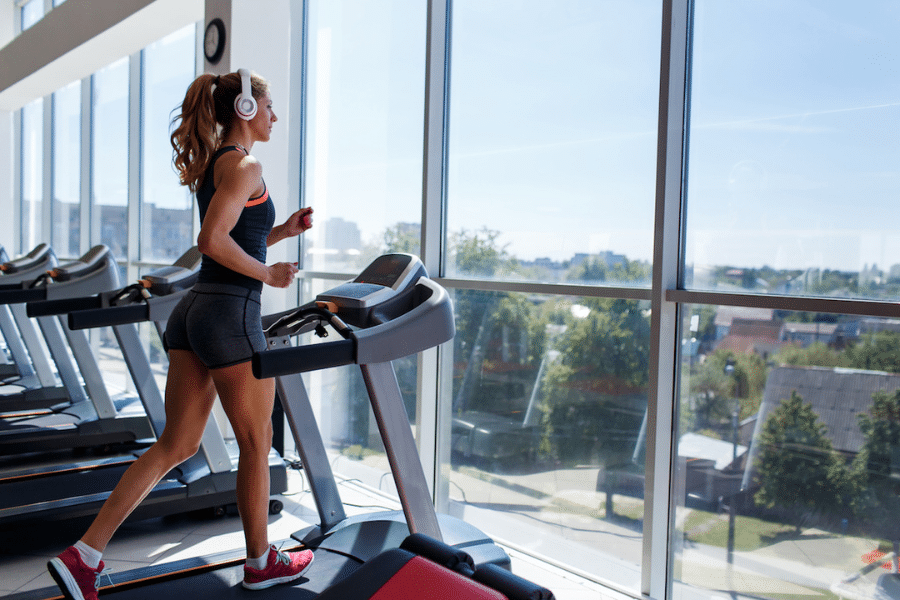
Benefits of Treadmill Workouts
Cardiovascular Health
Jumping on a treadmill can do wonders for your heart. Imagine strolling at a steady pace with a 12% incline and a speed of 3 miles per hour—it’s like giving your heart a gentle hug. This workout, known as the 12-3-30 workout, is a powerhouse for your bones and muscles, and it even helps you stay steady on your feet. Plus, it’s a great way to dodge those pesky health issues like heart disease, high blood pressure, and type 2 diabetes (Health.com).
| Health Benefit | Description |
|---|---|
| Heart Health | Keeps heart disease at bay |
| Blood Pressure | Tames high blood pressure |
| Diabetes Prevention | Cuts down the risk of type 2 diabetes |
Muscle Engagement
Treadmill workouts, especially when you crank up the incline, are like a party for your muscles. Walking uphill makes you work harder, torching calories and getting those core, glutes, hamstrings, and calves fired up. It’s a kinder workout for your joints compared to running, perfect for folks bouncing back from injuries or dealing with hip, knee, or ankle woes (Tom’s Guide).
| Muscle Group | Engagement Level |
|---|---|
| Core | High |
| Glutes | High |
| Hamstrings | Moderate |
| Calves | Moderate |
Want to squeeze the most out of your treadmill time? Dive into our articles on treadmill workout for weight loss and treadmill workout benefits.
Popular Treadmill Workouts
The 12-3-30 Routine
Alright, let’s talk about the 12-3-30 treadmill workout. This gem involves strolling on a treadmill with a 12% incline, cruising at 3 miles per hour, for a solid 30 minutes. Lauren Giraldo cooked up this routine as a chill cardio option for folks who aren’t into pounding the pavement. She swears by it, saying it helped her shed 30 pounds. So, if you’re looking to drop some weight without breaking your knees, this might be your jam.
Walking uphill cranks up the effort, torches calories, and gets your core, glutes, hamstrings, and calves working overtime. Plus, it’s kinder to your joints than running, making it a sweet choice for a low-impact sweat session. Want more on incline workouts? Check out our article on incline treadmill workout.
| Workout Component | Details |
|---|---|
| Incline | 12% |
| Speed | 3 mph |
| Duration | 30 minutes |
Interval Training
Now, let’s dive into interval training on a treadmill. This one’s a powerhouse for boosting fitness and torching calories. It’s all about switching between high-speed bursts and chill recovery periods. Interval training is your ticket to burning more calories in less time and giving your heart a workout.
Here’s a basic interval routine:
- Warm-up: 5 minutes of walking at a chill pace.
- High-intensity interval: 1 minute of running like you mean it.
- Recovery interval: 2 minutes of easy walking.
- Repeat steps 2 and 3 for a total of 20 minutes.
- Cool-down: 5 minutes of walking at a chill pace.
You can tweak this workout to fit your fitness level and goals. For more interval training ideas, swing by our article on interval treadmill workout.
| Interval Type | Duration | Speed |
|---|---|---|
| Warm-up | 5 minutes | Chill pace |
| High-intensity | 1 minute | Fast pace |
| Recovery | 2 minutes | Easy pace |
| Repeat | 20 minutes | Alternating speeds |
| Cool-down | 5 minutes | Chill pace |
Both the 12-3-30 routine and interval training are top picks for spicing up your treadmill time. Whether you’re on a mission to lose weight, boost your heart health, or just mix things up, these workouts have got your back. For more treadmill workout ideas, check out our articles on treadmill workout for weight loss and treadmill workout routine.
Treadmill vs. Outdoor Running
Progress Tracking
When you’re keeping tabs on your running progress, treadmills have a leg up on outdoor running. With a treadmill, you get a steady environment that lets you keep an eye on your speed, pace, and splits as you go. Gadgets like the Peloton Tread and Tread+ come loaded with fancy tracking tools that make it a breeze to see how you’re doing and set new goals (Peloton).
| Metric | Treadmill | Outdoor Running |
|---|---|---|
| Speed | Steady | All over the place |
| Pace | Easy to watch | Tricky to track |
| Distance | Spot on | Can be off |
| Incline | You control it | Nature’s call |
If you’re into planned workouts, treadmills are your best buddy. You can jump into routines like the 12-3-30 routine or interval training and keep track of how you’re doing over time. Outside, things like weather, hills, and traffic can throw a wrench in your plans.
Injury Prevention
Treadmills also shine when it comes to keeping you injury-free. Their steady surface cuts down on the chance of awkward landings, which is great for newbies or folks bouncing back from injuries. The even ground is kinder to your joints, helping you dodge common running woes like shin splints and knee aches.
| Factor | Treadmill | Outdoor Running |
|---|---|---|
| Surface Stability | Solid | Shaky |
| Impact on Joints | Gentler | Rougher |
| Risk of Falls | Less likely | More likely |
| Weather Conditions | No surprises | Who knows? |
Sure, running outside gives you fresh air and a change of scenery, but it also throws in some curveballs. Uneven paths, random obstacles, and the weather can up your injury risk. Treadmills let you tweak the incline to mimic outdoor paths, so you can train for races without the extra hazards (Peloton).
If you’re aiming to shed some pounds and boost your health, adding a treadmill workout challenge to your routine is a safe bet. Whether you’re into a treadmill walking workout or a hardcore HIIT treadmill workout, the treadmill gives you a flexible and controlled space to hit your fitness targets.
Safety Tips for Treadmill Use
Keeping yourself safe on a treadmill is key to nailing that treadmill workout challenge. Here’s the lowdown on staying safe and sound.
Proper Attire and Footwear
What you wear can make or break your treadmill session. Here’s what to keep in mind:
- Exercise Clothing: Go for snug, comfy clothes that let you move freely. Steer clear of baggy stuff that might get tangled up in the treadmill.
- Footwear: Pick solid, supportive kicks made for running or walking. Good shoes can keep injuries at bay and give your feet the support they need.
Before you hit the treadmill, warm up with some stretches to get your muscles and joints ready. Clip the safety key to your shirt so the treadmill stops if you take a tumble. Start slow, around 1 mph, and ease into a faster pace. Always wait for the treadmill to stop completely before stepping off (CNN).
Home Treadmill Safety
Running at home? Here’s how to keep it safe:
- Clearance: Make sure there’s a good 6 feet of space behind the treadmill. This gives you a safe spot to land if you fall.
- Maintenance: Keep the treadmill belt slick with silicone lubricant for smooth sailing. Regularly clean the machine to keep dust and debris away.
- Supervision: Don’t leave kids or pets alone in the room with a running treadmill. This helps avoid mishaps and keeps everyone safe.
Stick to these tips, and you’ll have a safe and solid treadmill workout. For more treadmill tips, check out our articles on treadmill workout for weight loss, treadmill walking workout, and treadmill workout for beginners.
Treadmill Training for Rehabilitation
Treadmill training is like a secret weapon for rehab, especially when you’re trying to boost your walking stamina and tweak the difficulty of your workouts. Let’s dive into how this training can pump up your walking endurance and how the level of challenge can shake up your rehab results.
Impact on Walking Endurance
Treadmill training is a game-changer for walking endurance, particularly for folks bouncing back from a stroke. Research shows that how much therapy you get—like how long each session is, how often you do it each week, and how long the program lasts—really makes a difference. When you stack treadmill training against other physiotherapy methods, the sheer amount of training can lead to bigger boosts in walking endurance.
| Training Type | Walking Endurance Improvement (SMD) |
|---|---|
| High-Challenge Treadmill Training | 1.07 |
| Moderate-Challenge Treadmill Training | 0.54 |
| Physiotherapy Interventions | 0.30 |
Challenge Level Influence
The level of challenge during treadmill workouts can seriously affect how much your walking endurance improves. Bigger differences in challenge and dosage between treadmill training and other physiotherapy methods lead to more impressive gains (NCBI). High-challenge treadmill training packs the biggest punch for walking endurance, making it a smart move to crank up the challenge in your rehab routine.
| Challenge Level | Walking Endurance Improvement (SMD) |
|---|---|
| High | 1.07 |
| Moderate | 0.54 |
| Low | 0.30 |
If you’re thinking about adding treadmill training to your rehab game plan, it’s key to think about the challenge level and how much you’re doing to really boost your walking endurance. By tweaking the intensity and length of your treadmill sessions, you can score better results and speed up your recovery. For more treadmill workout tips, check out our articles on treadmill workout to build endurance and treadmill workout plan.
Dosage and Challenge in Treadmill Training
Intervention Amount
How much treadmill training you do can make a big difference in how well it works. We’re talking about how long each session lasts, how often you hop on the treadmill each week, and how long you stick with the program. Research shows that these factors can really boost your walking endurance (NCBI).
Interestingly, when you stack treadmill training against other types of physiotherapy, even doing less treadmill work can lead to better walking endurance. So, you don’t have to go all out to see some pretty impressive results.
| Training Type | Session Duration | Frequency (per week) | Program Length | Walking Endurance Improvement |
|---|---|---|---|---|
| Treadmill Training | 30 minutes | 3 times | 12 weeks | Big Gains |
| Physiotherapy | 45 minutes | 3 times | 12 weeks | Moderate Gains |
Walking Endurance Outcomes
Your walking endurance is closely tied to how much and how hard you push yourself on the treadmill. A big study found that cranking up the challenge on the treadmill leads to the best improvements in walking endurance (NCBI). So, the tougher the workout, the better your endurance gets.
But, if you’re comparing two treadmill workouts that are both moderately challenging, you might not see much difference in endurance. This suggests that when workouts are similar in intensity, the challenge level might not be the game-changer.
| Challenge Level | Walking Endurance Improvement (SMD) | Confidence Interval (95%) |
|---|---|---|
| High | 1.07 | (0.54, 1.59) |
| Moderate | 0.50 | (0.20, 0.80) |
If you’re aiming to boost your walking endurance, ramping up your treadmill sessions can lead to bigger improvements. This is especially helpful for folks bouncing back from a stroke, as more treadmill time means better walking endurance.
To get the most out of your treadmill workouts, try mixing up the intensity and how long you go. For more tips on treadmill workouts, check out our articles on treadmill workout for weight loss, treadmill walking workout, and interval treadmill workout.