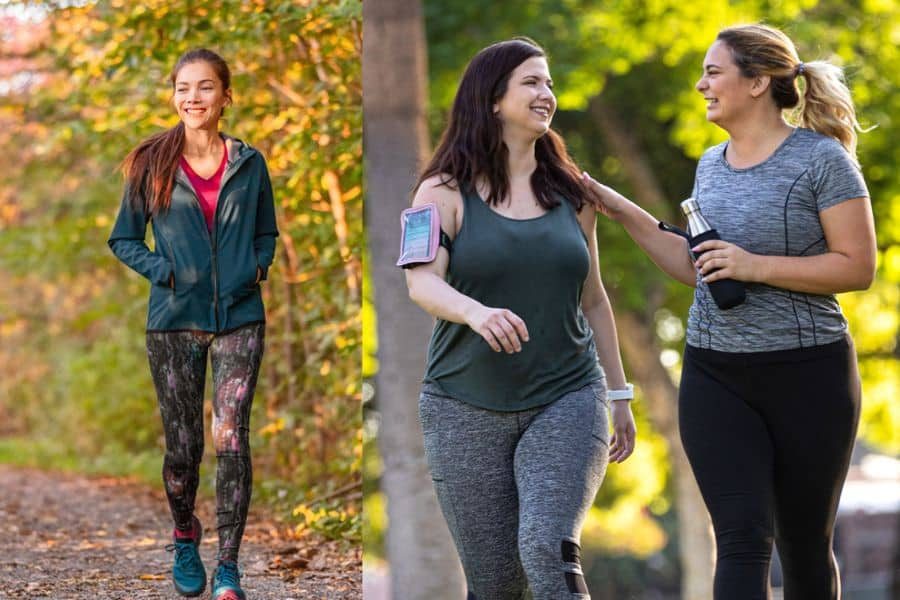
Benefits of Walking Exercise
Importance of Warming Up
Before you hit the pavement, it’s a good idea to get those muscles and joints ready for action. Warming up is like giving your body a gentle nudge, saying, “Hey, we’re about to move!” It gets the blood flowing, makes you feel more comfortable, and helps keep injuries at bay. Focus on the muscles you’ll be using while walking. (PBS)
A proper warm-up opens up your blood vessels, making sure your muscles get plenty of oxygen. It also raises your muscle temperature, which helps with flexibility and efficiency. Plus, it eases your heart into the workout by gradually increasing your heart rate. (American Heart Association)
Before diving into a brisk walk or a more intense session, warming up is key. It helps your heart rate and breathing pick up gradually, so you’re not starting off with a jolt. (American Heart Association)
Optimal Daily Step Count
How many steps should you aim for each day? Well, somewhere between 6,000 and 10,000 steps seems to be the sweet spot for living longer, depending on your age. Studies show that hitting this range can lower your risk of dying from any cause, and it turns out, how fast you walk doesn’t really matter. (Howdy Health)
| Age Group | Optimal Daily Steps |
|---|---|
| Adults (18-64) | 7,000 – 10,000 |
| Seniors (65+) | 6,000 – 8,000 |
Most folks in the U.S. walk about 3,000 to 4,000 steps a day, which is around 1.5 to 2 miles. Before you shoot for 10,000 steps, it’s a good idea to figure out your current step count. (Mayo Clinic)
Want to know more about fitting walking into your day? Check out our articles on walking exercise plan and walking exercise program.
Health Impacts of Walking
Walking ain’t just putting one foot in front of the other—it’s a game-changer for your health. Let’s see how adding a bit of walking to your day can make a world of difference.
Aerobic Exercise Recommendations
The folks over at the American Diabetes Association say you should aim for at least 150 minutes of moderate-to-vigorous exercise each week. Think brisk walking. Spread it out over three days, and don’t skip more than two days in a row (Harvard T.H. Chan School of Public Health). Walking is a fantastic way to hit these targets and boost your health.
| What to Do | How to Do It |
|---|---|
| Weekly Goal | 150 minutes |
| How Often | At least 3 days a week |
| How Hard | Moderate-to-vigorous |
Weight Loss Benefits
Want to shed some pounds? Walking might be your new best friend. A study looked at 22 trials and found that walking briskly for about three hours a week helped folks under 50 lose weight, trim their waistlines, and cut down on fat (Harvard T.H. Chan School of Public Health). So, lace up those sneakers and get moving to keep your weight in check.
Curious about how walking can help you lose weight? Check out our article on walking exercise for weight loss.
Sleep Quality Improvement
Struggling to catch some Z’s? Walking might help you snooze better. A study with 490 adults showed that walking 10,000 steps a day for four weeks improved how well they slept, how long they slept, and how fast they fell asleep. Better sleep means feeling more refreshed and ready to tackle the day.
| Sleep Boost | What Happens |
|---|---|
| Sleep Quality | Gets better |
| Sleep Duration | Gets longer |
| Sleep Latency | Gets shorter |
Adding walking to your daily routine can do wonders for your health. Whether you’re looking to meet exercise goals, drop some weight, or sleep like a baby, walking is a simple and effective choice. For more tips on how to start and stick with a walking routine, visit our article on walking exercise tips.
Walking for Overall Health
Walking is like the Swiss Army knife of exercise—simple, effective, and ready to boost your health without breaking a sweat. Let’s break down the basics, find cool spots to strut your stuff, and see how walking stacks up against running.
CDC Guidelines
The folks at the Centers for Disease Control and Prevention (CDC) have a simple message: get off your tush and move! Even a little bit of activity, like walking, can do wonders for your health. Here’s the lowdown on what they suggest:
| Activity Level | Recommendation |
|---|---|
| Moderate-Intensity | 150 minutes per week |
| Vigorous-Intensity | 75 minutes per week |
| Muscle-Strengthening | 2 days per week |
Diverse Walking Locations
Walking is the ultimate go-anywhere workout. Whether you’re a nature lover or a city slicker, there’s a spot for you to get your steps in:
- Parks and Trails: Soak up the scenery and breathe in some fresh air.
- Urban Areas: Discover hidden gems in your city or neighborhood.
- Beaches: Feel the burn as you stroll through the sand.
- Malls: Perfect for dodging bad weather while window shopping.
- Home: Try indoor walking exercise videos or gear for a cozy workout.
Need more inspiration? Check out our piece on outdoor walking exercise.
Comparison to Running
Walking might not have the flashy reputation of running, but it’s a champ for keeping you fit and healthy. According to NBC News, it’s a great option for folks with knee, ankle, or back issues, and for those carrying a bit of extra weight. Here’s how they compare:
| Benefit | Walking | Running |
|---|---|---|
| Joint Impact | Low | High |
| Calorie Burn | Moderate | High |
| Accessibility | High | Moderate |
| Injury Risk | Low | High |
Mixing up your routine can keep things fresh and maximize your health perks. Curious about how walking can help shed pounds? Check out our article on walking exercise for weight loss.
By sticking to the CDC’s advice, finding fun places to walk, and knowing how walking measures up to running, you can craft a walking routine that fits your life and health goals. For more tips and tricks, dive into our articles on walking exercise tips and walking exercise benefits.
Physical and Mental Health Benefits
Walking ain’t just a stroll in the park—it’s a powerhouse of health perks for both body and mind. Making it a regular part of your day can really boost how you feel overall.
Cardiovascular and Weight Benefits
Walking is like the unsung hero of workouts. It’s a great way to get your heart pumping and shed some pounds, especially if your knees, ankles, or back aren’t fans of more intense exercises. Plus, if you’re carrying a bit of extra weight, walking is your friend. Studies show that a good walk can lower your chances of high blood pressure, cholesterol, diabetes, and heart disease just as much as running can.
| Health Metric | Improvement |
|---|---|
| Blood Pressure | Big drop |
| Resting Heart Rate | Goes down |
| Body Fat | Shrinks |
| Body Weight | Sheds |
| Cholesterol Levels | Gets better |
Cognitive and Emotional Well-being
Walking isn’t just a treat for your body; it’s a feast for your mind too. A study in the British Journal of Sports Medicine says a good walk can lift your spirits, sharpen your memory, and keep your brain in tip-top shape (NBC News). Just 12 minutes of walking can make you feel more cheerful, lively, alert, and confident.
Got the jitters? Walking can help calm those nerves and spark some creative ideas. Make it a habit, and you’ll find yourself more focused and full of energy all day long.
Improvements in Health Parameters
Stick to a walking routine, and you’ll see some real changes in your health. The British Journal of Sports Medicine found that folks who walked regularly saw improvements in blood pressure, heart rate, body fat, weight, cholesterol, mood, life quality, and stamina.
| Health Parameter | Improvement |
|---|---|
| Blood Pressure | Big drop |
| Resting Heart Rate | Goes down |
| Body Fat | Shrinks |
| Body Weight | Sheds |
| Cholesterol Levels | Gets better |
| Depression Scores | Lightens |
| Quality of Life | Boosts |
| Endurance | Grows |
So, lace up those sneakers and get moving with a regular walking exercise routine. Whether you’re pacing the living room or hitting the trails, the trick is to keep at it and have fun. For more ways to spice up your walks, check out our tips on interval training benefits and inclined walking benefits.
Boost Your Walking Workouts
Want to get more out of your walking exercise routine? Try mixing things up with some fresh techniques. Here are three fun ways to spice up your walks: interval training, inclined walking, and Nordic walking.
Why Interval Training Rocks
Interval training is all about switching between fast-paced walking and taking it easy. This approach can do wonders for your heart and help keep those muscles strong as you age. A study in Cell Metabolism found that interval training, even with walking, can turn back the clock on muscle aging and boost muscle power for folks aged 65 to 80.
| Interval Training Perks | What It Does |
|---|---|
| Heart Health | Boosts heart and lung function |
| Muscle Strength | Fights off muscle aging |
| Time Saver | Packs a punch in less time |
Want more interval training tips? Check out our walking exercise tips.
Climbing to New Heights with Inclined Walking
Adding some hills, stairs, or an inclined treadmill to your walk can really work those leg muscles like your quads, hamstrings, and calves. Plus, it cranks up the workout intensity, helping you torch more calories and get your heart pumping (Harvard Health Publishing).
| Inclined Walking Perks | What It Does |
|---|---|
| Muscle Gain | Builds up quads, hamstrings, and calves |
| Burn More | Turns up the calorie burn |
| Stamina Boost | Improves overall endurance |
Curious about adding inclines to your routine? Visit our walking exercise for weight loss.
Get Moving with Nordic Walking
Nordic walking uses poles to get your upper body in on the action. This technique can help you walk longer, fend off muscle tiredness, and make your workout more efficient. With poles that have pointed or rubber tips, you can adjust them to your height and keep on moving.
| Nordic Walking Perks | What It Does |
|---|---|
| Upper Body Workout | Works arms, shoulders, and back |
| Go the Distance | Helps you walk longer and more often |
| Muscle Saver | Cuts down on muscle fatigue |
For more on Nordic walking, check out our walking exercise equipment.
By mixing these techniques into your walking routine, you can make your workouts more effective and boost your health. Whether you go for interval training, inclined walking, or Nordic walking, each one brings something special to help you hit your fitness goals.
Starting and Sustaining a Walking Routine
Proper Gear and Warm-up
Kicking off your walking routine? Let’s make sure you’re all set with the right gear and a solid warm-up. A good warm-up gets your blood pumping, making sure your muscles are ready to roll and your heart’s not caught off guard. It’s like giving your body a heads-up that it’s time to move.
Here’s what you need to get started:
- Shoes: Go for kicks with good arch support and some cushion for comfort.
- Clothing: Dress in comfy clothes that work for any weather.
- Gear: Grab an activity tracker or pedometer to keep tabs on your steps, distance, and heart rate.
Picking a safe route and setting goals you can actually hit are also big deals (Mayo Clinic).
Setting Realistic Goals
Setting goals you can actually reach is the secret sauce to sticking with your walking routine. Start small and work your way up. Here’s how to keep it real:
- Start Small: Begin with short strolls and slowly stretch them out.
- Schedule Walks: Pick times that work for you and make it a habit.
- Progress Gradually: Bump up your walking time or distance a little each week.
With realistic goals, you’ll stay pumped and keep your walking game strong (Mayo Clinic).
Tracking Progress and Staying Motivated
Keeping track of your progress is key to staying fired up and hitting your walking targets. Here’s how to keep an eye on things:
- Activity Trackers: Use gadgets to count steps, track distance, and check your heart rate.
- Apps: Use phone apps to log your walks and see how you’re doing.
- Walking Journal: Jot down your daily walks, noting distance, time, and any cool stuff you notice.
| Tracking Tool | Features |
|---|---|
| Activity Tracker | Steps, distance, heart rate |
| Smartphone App | Logging, progress tracking |
| Walking Journal | Daily records, observations |
Staying motivated is the name of the game. Set new goals, pat yourself on the back for hitting them, and find ways to make walking fun. For more motivation tips, check out our article on walking exercise tips.
By sticking to these tips, you’ll kick off and keep up a walking routine that helps you shed pounds and boost your health. For more on walking exercises, check out our articles on walking exercise for beginners and walking exercise for weight loss.