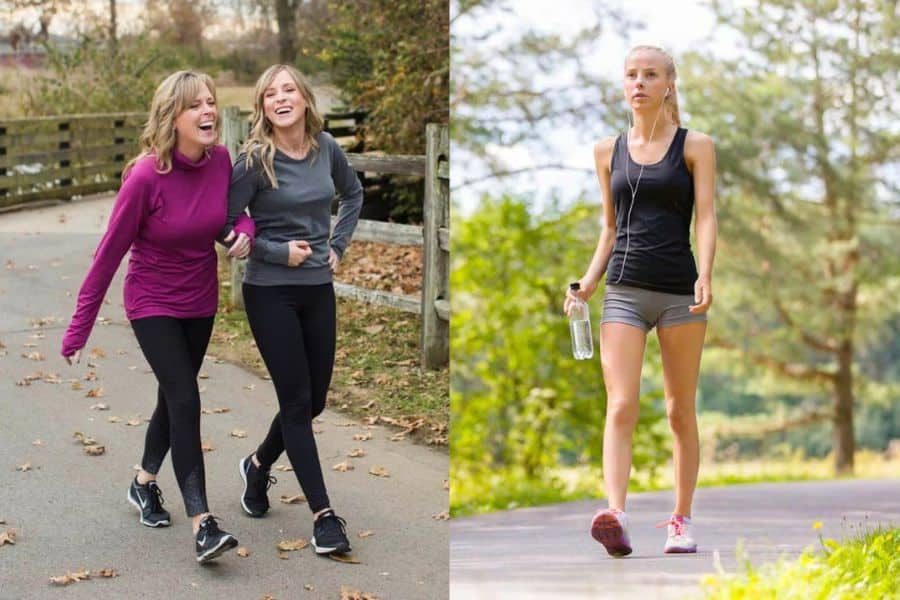
Benefits of Walking Exercise
Improving Heart Health
Walking ain’t rocket science, but it sure does wonders for your ticker. A good ol’ brisk walk can pump up your heart’s fitness, boost your stamina, and torch some calories. The more you hustle, the more your heart will thank you. Take power walkers, for instance—they’re like the Usain Bolts of the walking world, getting their cardio fix by covering a mile in no time flat (Mayo Clinic).
Just 30 minutes of hoofing it each day can do wonders: it beefs up your heart health, strengthens your bones, trims the fat, and gives your muscles a little extra oomph. Plus, it can help keep nasty stuff like heart disease, type 2 diabetes, osteoporosis, and some cancers at bay (Better Health, Victoria).
Burning Calories
Walking is like a calorie-burning ninja. How many calories you zap depends on your weight, how fast you’re moving, and how long you’re at it. Speed up, and you’ll burn more, but don’t go so fast you can’t chat with a buddy. As you get fitter, you can up the ante by timing how long it takes to cover your usual route.
Here’s a handy table to give you an idea of the calories you can burn per hour based on your speed and weight:
| Weight (lbs) | 2.0 mph (cal/hr) | 3.0 mph (cal/hr) | 4.0 mph (cal/hr) |
|---|---|---|---|
| 125 | 160 | 215 | 250 |
| 155 | 198 | 267 | 310 |
| 185 | 237 | 319 | 370 |
If you’re stuck at home and need to swap walking for something else, try jumping jacks, high knees, bodyweight squats, lunges, or mountain climbers. They’ll keep your heart ticking, muscles strong, and health in check (Quora).
Want to sneak more walking into your day? Check out our article on walking exercise routine. If shedding pounds is your goal, swing by our page on walking exercise for weight loss.
Incorporating Walking into Your Routine
Setting Realistic Goals
Alright, so you’re thinking about adding a bit of walking to your day-to-day, huh? Good call! The folks over at the Department of Health and Human Services say you should aim for at least 30 minutes of moving around each day. But hey, don’t stress if you’re not there yet. Start small and work your way up. Even a little bit of walking is better than none at all.
Here’s how you can set goals that won’t make you want to throw in the towel:
- Start Small: Kick things off with short strolls and slowly ramp up the time and effort.
- Daily Goals: Maybe aim for a 30-minute walk each day or shoot for 10,000 steps. It’s all about what works for you.
- Create a Schedule: Pick a time each day for your walk. Make it a date with yourself that you can’t break.
Tracking Your Progress
Keeping tabs on your progress can be a real game-changer. It’s like having a little cheerleader in your pocket, reminding you of how far you’ve come. Jot down your steps, how far you walked, and how long it took. You’ll be surprised at how motivating it can be.
Here are some gadgets and gizmos to help you keep track:
- Pedometer: This little guy just counts your steps. Simple, but effective.
- Fitness Tracker: These wearables do it all—steps, distance, calories. You name it.
- Smartphone Apps: Tons of apps out there to track your walks and give you a pat on the back when you hit your goals.
| Tool | Features |
|---|---|
| Pedometer | Counts steps |
| Fitness Tracker | Tracks steps, distance, calories burned |
| Smartphone Apps | Monitors activity, provides insights |
By setting goals that make sense for you and keeping an eye on your progress, you’ll be weaving walking into your life in no time. And trust me, your body will thank you for it. Want more tips on making walking a part of your routine? Check out our article on walking exercise routine.
Enhancing Your Walking Experience
Proper Walking Technique
Want to turn your stroll into a power walk? It’s all about the technique, my friend. Good posture and purposeful movements are your secret weapons. Here’s how to strut your stuff like a pro:
- Stand tall: Keep your head up, back straight, and shoulders chill. No slouching or leaning like you’re in a windstorm.
- Engage your core: Tighten those abs to give your spine some love.
- Swing your arms: Bend those elbows at a cool 90-degree angle and let your arms swing naturally with each step.
- Step smoothly: Roll your foot from heel to toe with each step for that smooth operator vibe.
Nailing the technique not only amps up your walking workout but also keeps injuries at bay. For more juicy details, check out our article on walking exercise tips.
Staying Motivated
Keeping the pep in your step can be a bit tricky, but don’t sweat it. Here are some tricks to keep you on the walking path:
- Set realistic goals: Start with goals you can actually hit and then slowly up your game. The Department of Health and Human Services suggests aiming for at least 30 minutes of moving and grooving a day (Mayo Clinic).
- Track your progress: Jot down your steps, distance, and time spent walking. Watching your progress can be a real motivator. Try using a walking for exercise app to make tracking a breeze.
- Find a walking buddy: Walking with pals can make it more fun and keep you accountable. Join a walking club or get your friends and family in on the action.
- Mix it up: Change your walking routes and throw in different terrains to keep things fresh. You can also try indoor walking exercise when the weather’s not playing nice.
- Reward yourself: Hit those milestones and treat yourself, maybe with some snazzy new walking shoes or a chill bath.
By using these strategies, you’ll keep your motivation high and make walking a regular part of your life. For more tips on staying pumped, visit our article on walking exercise motivation.
Boosting your walking game with the right technique and motivation can help you crush your fitness goals and soak up all the good vibes from walking exercise at home.
Walking for Weight Loss
Walking is a simple and effective way to shed those extra pounds and boost your health. By cranking up the pace and setting daily step targets, you can make the most out of your walking workouts right at home.
Walking Intensity
How fast and hard you walk makes a big difference in losing weight. A good, brisk walk can do wonders for your heart, stamina, and calorie-burning (Mayo Clinic). The quicker and more often you walk, the better the payoff.
To get the best bang for your buck, aim for a pace where you can chat but are a bit winded. This sweet spot gets your heart pumping and torches calories. Throwing in some speed bursts or power walking can really kick things up a notch.
| Walking Intensity | Calories Burned (per hour) |
|---|---|
| Leisurely Walking (2 mph) | 204 |
| Brisk Walking (3.5 mph) | 314 |
| Power Walking (4.5 mph) | 372 |
Daily Step Goals
Setting daily step goals is a smart way to keep your walking routine on track. Just 30 minutes of walking each day can boost your heart health, strengthen your bones, cut down on body fat, and build muscle power and endurance (Better Health, Victoria).
A popular target is 10,000 steps a day, which is about five miles. This goal helps you stay active and supports weight loss. But if you’re just getting started, set goals you can reach and slowly up your step count.
| Step Goal | Approximate Distance | Benefits |
|---|---|---|
| 5,000 steps | 2.5 miles | Basic activity level |
| 7,500 steps | 3.75 miles | Improved fitness |
| 10,000 steps | 5 miles | Weight loss and health benefits |
Keeping track of your steps can keep you motivated and show your progress. Try using a pedometer, fitness tracker, or a walking for exercise app to keep tabs on your steps and set new goals.
For more tips on adding walking to your routine, check out our articles on walking exercise routine and indoor walking exercise. By focusing on how hard you walk and setting doable daily step goals, you can use walking to lose weight and boost your health.
Safety Tips for Walking Exercise
When you’re getting your steps in at home, safety should be your top priority. You want to avoid any mishaps and keep the good vibes rolling. So, here are some handy tips to keep you on track.
Proper Footwear
Let’s talk shoes. You wouldn’t wear stilettos to a marathon, right? Same goes for your walking workout. You need kicks that give your feet some love and support. Training shoes with lateral support are your best bet—they keep you steady and help avoid those nasty falls (Houston Methodist). Ditch the socks, moccasins, and flip-flops unless you want to risk a tumble.
| Footwear Type | Support Level | Risk of Injury |
|---|---|---|
| Training Shoes | High | Low |
| Socks | None | High |
| Moccasins | Low | High |
| Flip-Flops | None | High |
Need more shoe advice? Check out our article on walking exercise equipment.
Hydration
Water is your workout buddy. Seriously, staying hydrated is key to keeping your energy up and your performance on point. If you skimp on the H2O, you might end up feeling like a wilted plant (Houston Methodist). So, sip throughout the day, during your walk, and after you’re done.
| Activity Level | Water Intake (oz) |
|---|---|
| Low | 64 |
| Moderate | 80 |
| High | 96 |
Keep a water bottle handy and take regular sips. For more hydration hacks, swing by our article on walking exercise tips.
Stick to these tips, and you’ll be strutting safely and effectively in no time. Remember, the right shoes and plenty of water are your best friends for a killer walking routine. Want more walking wisdom? Dive into our walking exercise program.
Beyond Walking: Home Exercise Tips
Sure, walking around your living room is a solid start, but why not spice things up a bit? Mixing in some other exercises can really kick your fitness game up a notch. Let’s dive into some bodyweight moves and strength training tricks that’ll make your walking routine feel like a walk in the park.
Bodyweight Exercises
No gym? No problem! Bodyweight exercises are your ticket to getting stronger and boosting your heart health without fancy equipment. Just you, your body, and a little space. Here’s a lineup of moves you can rock at home:
- Jumping Jacks: Get your whole body moving, heart pumping, and calories burning.
- High Knees: Fire up those legs and core while giving your heart a workout.
- Bodyweight Squats: Feel the burn in your legs, glutes, and core.
- Lunges: Perfect for balance and toning those lower body muscles.
- Mountain Climbers: A fast-paced move that hits your core, shoulders, and legs.
| Exercise | Target Area | Benefits |
|---|---|---|
| Jumping Jacks | Full Body | Heart health, calorie burn |
| High Knees | Lower Body, Core | Endurance, leg power |
| Bodyweight Squats | Legs, Glutes, Core | Strength, balance |
| Lunges | Lower Body | Balance, muscle tone |
| Mountain Climbers | Core, Shoulders, Legs | Core strength, full-body workout |
Keep it safe, folks! Grab an exercise mat to cushion those joints and make sure you’ve got enough room to move without crashing into the coffee table (Houston Methodist). And don’t forget those trusty training shoes to keep your feet happy and injury-free.
Strength Training Integration
Want to build some muscle and rev up your metabolism? Strength training is your new best friend. You don’t need a ton of gear—just some dumbbells, resistance bands, or even a couple of water bottles will do the trick.
Here’s a list of strength exercises to try at home:
- Push-Ups: Pump up your chest, shoulders, and triceps.
- Planks: Challenge your core and boost stability.
- Bicep Curls: Flex those biceps with dumbbells or bands.
- Tricep Dips: Tone your triceps using a chair or bench.
- Deadlifts: Strengthen your lower back, glutes, and hamstrings.
| Exercise | Target Area | Equipment Needed |
|---|---|---|
| Push-Ups | Chest, Shoulders, Triceps | None |
| Planks | Core | None |
| Bicep Curls | Biceps | Dumbbells or Bands |
| Tricep Dips | Triceps | Chair or Bench |
| Deadlifts | Lower Back, Glutes, Hamstrings | Dumbbells or Household Items |
Safety first! Make sure your mat is slip-proof if you’re jumping around. And keep that water bottle handy to stay hydrated and keep your energy up (Houston Methodist).
Mixing bodyweight exercises and strength training with your walking routine can give you a balanced workout that boosts your health and wellness. For more tips, check out our articles on walking exercise benefits and walking exercise tips.