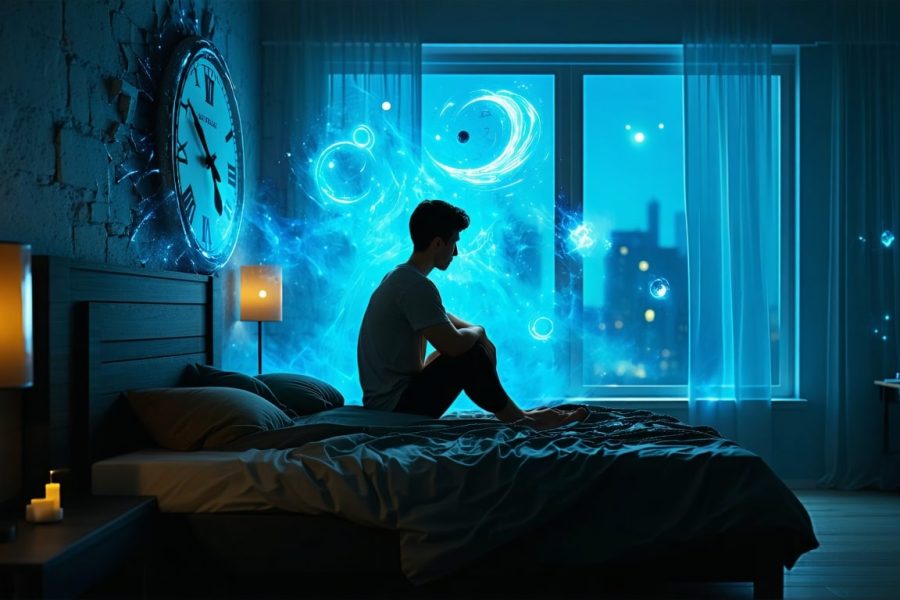
Understanding Insomnia and Anxiety
Ever tossed and turned in bed, counting sheep till you’re loopy? You’re not alone. Insomnia, especially when anxiety’s in the mix, can feel like a never-ending wrestling match. Get to know how these pesky partners in crime are tangled up, and you can start kicking them to the curb.
Links Between Insomnia and Anxiety
Who knew anxiety could crash your zzzs party too? But for many folks, it crashes hard. Falling asleep or staying asleep becomes like playing a game you just can’t win. Here’s why: anxiety stirs up a storm of worries that keep your brain doing somersaults all night. Next thing you know, you’re running on empty, which only ramps up the anxiety. It’s like a circle that’s tighter than your gramma’s Victorian corset (Sleep Foundation).
Imagine this: Worry keeps you staring at the ceiling, but that short sleep you’re getting is making you even more edgy. This loop can mess up your groove, throwing daily life and your peace of mind through a loop-the-loop.
Impact of Anxiety on Insomnia
Anxiety plays you like a fiddle, with your body jacked up on high alert. Those stressed-out vibes crank up your internal “stay awake” switch. So, instead of catching some Zs, you end up wide-eyed and restless, fueled by late-night worries. It’s a vicious cycle—less sleep means heightened anxiety, and on and on it goes.
Folks with obstructive sleep apnea (OSA)—it’s basically your body’s bedtime version of a malfunctioning snore machine—tend to lug around extra anxiety baggage too. Sleep better and you might just lighten that load.
Worrying about how lack of sleep might ruin your next day? Yeah, that’s just adding another log to the fire. And when it’s finally bedtime, those thoughts can grow into some serious sleep blockers.
Curious about kicking insomnia to the curb? We’ve got some lifesaving resources on natural remedies for insomnia, insomnia symptoms, and insomnia and stress. By snagging a deeper understanding of these connections, you can start reclaiming your sleep and chilling out that worried mind.
Effects on Sleep Quality
Not catching enough Zs can really mess with your sleep, bringing more problems than just yawning at your desk. Getting the lowdown on these effects helps you take charge of your insomnia and stress.
Daytime Impact of Insomnia
A rough night often means a rough day ahead. You might feel like you’ve left your energy in bed, which can spill over into your job and friendships. It’s not uncommon to feel like life’s more of a drag with fatigue dragging you down and your brain struggling to keep up.
Here’s how lack of sleep can throw a wrench in your day:
| Daytime Effect | Description |
|---|---|
| Wiped Out | Constantly tired, just wanting a nap |
| Scattered Thoughts | Holding focus is like herding cats |
| Touchy-Feely | Feeling more like a grumpy bear |
| Slacking at Work | Not hitting your stride at work or chores |
Mental and Physical Well-Being
Missing out on shut-eye hits you, mind and body. Insomnia and anxiety are like annoying buddies—they fuel each other. Less sleep ramps up stress and the wheels keep spinning, robbing you of rest.
Your body takes a hit too. Long-term insomnia can mess with stuff like:
- Packing on pounds
- Lowering your defenses against sickness
- Heart troubles sneaking up on you
Nailing down your sleep problems is key to staying fit and happy. For more on how sleeplessness and mental blues mix, check out our bit on insomnia and depression.
Long-Term Consequences
When insomnia decides to stick around for three months or more, it means business. Skipping out on sleep turns up the heat on health issues and ups your chances of landing health conditions like high blood pressure and diabetes. People dealing with this gripe about life being less sweet than for those sleeping like babies.
Here’s a peek at what long-term sleep struggles can bring:
| Long-Term Effect | Description |
|---|---|
| Risky Business | Bigger bullseye for chronic illnesses |
| Life Satisfaction Tanks | Everyday feels harder than it should |
| Mental Health Dips | Swamped with anxiety and the blues |
Grasping how lack of sleep throws a wrench in things helps you hunt for ways out. Whether you’re looking into natural remedies for insomnia or thinking about getting professional advice on how to cure insomnia, making your sleep a top priority can boost your well-being all around.
Managing Insomnia and Anxiety
Let’s talk about snooze time woes—yup, insomnia and anxiety. Dealing with these two is super important so you can feel like a million bucks. Here are some popular tricks to help you hit the hay and shake off those jittery feelings.
Cognitive Behavioral Therapy (CBT)
Ever heard of CBT? It’s a super effective way to tackle anxiety and insomnia. This therapy works by getting into the nitty-gritty of your thoughts and behaviors and flipping the script on those negative vibes keeping you up at night.
When it comes to insomnia, there’s a special twist called CBT-I. This version is all about teaching your noggin’ to shut down and catch some Z’s. Over a few weeks, you learn how to nod off faster and stay asleep longer. Whether face-to-face, on a call, or chilling in your jammies online, there’s always someone ready to guide you through it.
Medications for Treatment
Sometimes talking ain’t enough. That’s where meds step in, ready to lend a hand. Sleepy-time pills can help you drift off, and for some extra jitters, anti-anxiety drugs and antidepressants can get to work. But remember, no one wants to pop ’em for too long, unless your doc gives that green light. Got a curious itch about meds? Slide over to our insomnia and medication section for the scoop.
| Medication Type | What It Does |
|---|---|
| Sleeping Pills | Help ya hit the snooze button |
| Anti-anxiety Drugs | Chill those nerves |
| Antidepressants | Brighten up the heavy days |
| Beta-blockers | Calm physical jitters |
Alternative Therapies
For the nature lovers out there, try alternative therapies like herbal teas or dietary aids. They’re out there to help you drift into dreamland without any high-tech gimmicks. Still, it’s best to keep a bolted lock on caution, since dietary stuff isn’t given the seal of approval like your regular pills. Always chat with a doc, especially if you’re keeping company with other meds (Mayo Clinic link).
Over-the-counter options might have you thinking, “Hey, why not?” Some include antihistamines to make you drowsy, but don’t make a habit out of them, or you might end up feeling groggy all day long (Mayo Clinic link). Want more? Our natural remedies for insomnia article is just a click away.
Mix and match these methods to custom-craft a sleep and chill plan that suits you. The right combo will have you managing insomnia and anxiety like a pro.
Risk Factors and Causes
Let’s chat about what’s keeping you up at night. Knowing why sleep plays hide and seek can help you snag some much-needed Zs. From getting older to dealing with daily stressors, lots of stuff can make falling asleep tough.
Influence of Aging
Getting older means more than just finding gray hairs. With age, finding restful sleep can turn into a game of chance. Changes in hormone levels, the little surprises that come with other health issues, or even side effects from medications can mess with your sleep pattern. According to the pros at Mayo Clinic, older folks have a tougher time staying asleep. Better address those issues as they come knocking.
| Age Group | Prevalence of Insomnia (%) |
|---|---|
| Children (under 12) | 10-20 |
| Teens (13-19) | 15-30 |
| Adults (20-64) | 30-40 |
| Older Adults (65+) | 50-65 |
Mental Health Conditions
If your mind’s a buzzing beehive, sleep’s gonna be hard to catch. Anxiety and sleep are like frenemies. Stressful thoughts make you toss and turn, while poor sleep delivers the blues. Research from Sleep Foundation shows nine-out-of-ten military veterans with PTSD struggle with shut-eye. Anxiety doesn’t just jazz your nerves—it can zap your rest too.
| Mental Health Condition | Insomnia Prevalence (%) |
|---|---|
| Generalized Anxiety Disorder | 50-70 |
| Depression | 70-90 |
| PTSD | 90 |
| Panic Disorder | 30-40 |
Lifestyle Factors
Think grabbing a late-night coffee won’t cost you later? Think again! Your everyday choices can have your bed feeling like a battleground. Eating junk, skipping gym sessions, or going overboard with coffee or booze means you’re waging war against sleep. Embrace better sleep habits—like a steady sleep schedule and losing screen time—if you want better nights. Want more tips for catching some Zs? Check out our how to cure insomnia guide.
Simply put, knowing what messes up your sleep is half the battle. If you’ve started to think stress or life choices are the culprits, consider getting some expert advice. We’ve got loads of info on insomnia and anxiety, insomnia symptoms, and insomnia and stress to keep you informed and ready to conquer restless nights.
Treatment Options
If anxiety’s keeping you up at night or you’re just plain tired of tossing and turning, let’s chat about some solid options to sort your sleep woes: Cognitive Behavioral Therapy for Insomnia (CBT-I), some meds, and a bit of light therapy wizardry.
Cognitive Behavioral Therapy for Insomnia (CBT-I)
CBT-I is like re-training your brain for sleep. It tackles the pesky thoughts that keep you staring at the ceiling and nudges you to adopt sleep-friendly habits (Mayo Clinic). It’s divided into two parts:
- Mind Tweaks: Scrub out those nagging thoughts about sleep.
- Habit Building: Create chill bedtime routines, kinda like turning off a light switch.
Got studies? Yep, and they’re telling us CBT-I’s effectiveness rivals the meds. For long-term success, it’s the bee’s knees. You might wanna check out our guide on how to cure insomnia if you’re curious.
Prescription Medications
Sometimes, the doc might suggest some sleep meds to help. They’re handy but use them wisely. Most aren’t for long hauls – we’re talking weeks, not years. A few can stretch out longer but under doc-watch (Mayo Clinic).
A few notes:
- How Long?: Short stints, unless you’ve got the okay for a longer run.
- What If I Feel Weird?: There’s a chance you might feel groggy or start singing to the wrong tune, like habit stuff.
- What Else?: Sometimes, meds for other things (like anxiety or mood) do double duty for sleep.
Always chat with your doc about side effects and how long to take this route. For a deeper dive, have a look at insomnia and medication.
Light Therapy
Fancy getting a dose of daily sunlight without having to step outside? That’s what light therapy’s all about! It helps sync your internal clock, getting you up and to bed at sensible times.
Why try it?
- Tick-Tock on Track: Gets your body’s sleep signals lining up properly.
- No Pills, No Fuss: Great if you’re not keen on popping pills.
Especially helpful for those with quirky body clocks, light therapy shines brightest for circadian-related sleep hassles. For more lighthearted tips on beating insomnia, you might wanna explore natural remedies for insomnia or insomnia and depression.
Each method has its perks, but your healthcare buddy’s got the best advice on what might suit you. Chat them up!
Effects of Insomnia during a Pandemic
Dealing with COVID-19 has been like juggling flaming swords, and if you’re having trouble catching any Zs, welcome to the club. There’s even a nickname for it now: “Coronasomnia.” Fun, right?
“Coronasomnia” and Pandemic Stress
“Coronasomnia” snuck in when stress from this ongoing pandemic hit new levels. It’s like waiting for a pot to boil but your burner’s on low. Lots of folks can’t relax, leading to anxious nights staring at the ceiling. Imagine this: insomnia was already lurking before COVID decided to crash the party, but now it’s like it got an upgrade! A study in Sleep Medicine spilled the beans—one in three folks showed insomnia signs, with 20% hitting the full-on insomnia level. That’s double the pre-COVID rate (Columbia Psychiatry).
Impact of Reduced Sleep on Mental Health
When your shuteye takes a hit, your mental health isn’t far behind. Lack of sleep cozies up to anxiety and depression. It’s a not-so-fun rollercoaster where bad sleep equals more stress, making nights moonlight as marathons of wakefulness. Studies underscore that a solid approach to mental health treatment can kick tiredness out the door since it tackles these problems up front.
| Observation | Effect |
|---|---|
| One in three folks with clinical insomnia symptoms | Big uptick in sleep troubles |
| Nearly 20% hit the insomnia disorder mark | Double trouble than before COVID |
| Sleep-related chaos affecting mental peace | Up in anxiety and the blues |
Relationship Between Sleep and Weight Management
Turns out, how you sleep might tip the scale—literally. Research backs it up: sleeping less nudges you towards extra snacking, adding weight to your plate. On flip side, sleep well and you’re less likely to devour a pastrami sandwich at midnight. Eating right fuels better sleep, and in turn, gives your weight management a decent fighting chance (Columbia Psychiatry).
If hitting the sack naturally is your jam, check out our natural remedies for insomnia or dig into insomnia and stress to get a grip on what’s keeping you up.