Understanding Insomnia
Definition of Insomnia
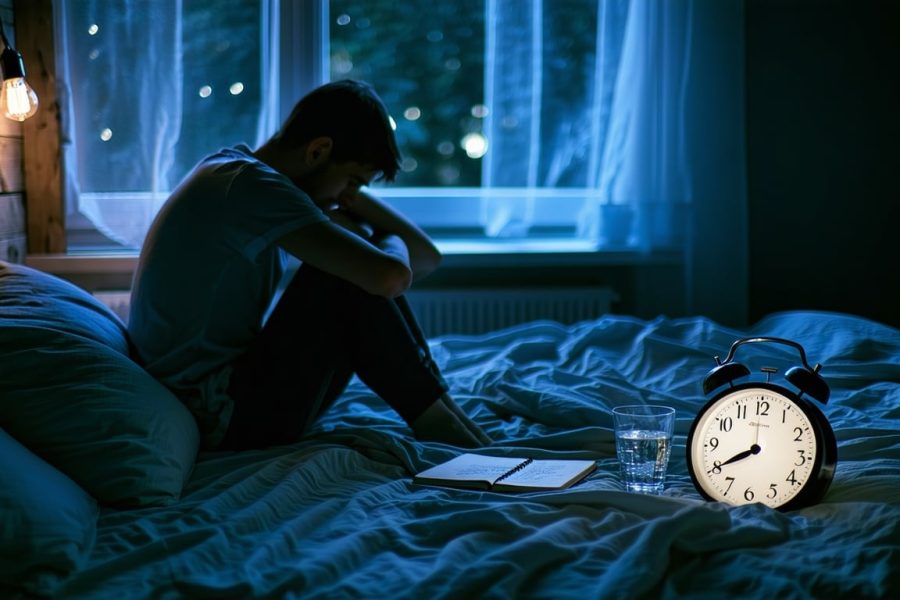
Insomnia isn’t just about tossing and turning; it’s when you constantly struggle to fall asleep or stay asleep, and waking up rested feels like a pipe dream. This affects a massive chunk of adults—between a third and two-thirds wrestle with it at some point. About 10% to 15% even find it crashes their daytime vibe due to scrambled sleep patterns (Sleep Foundation). The real yardstick according to the Diagnostic and Statistical Manual of Mental Disorders? It’s when you start counting the wandering sheep every night or wake up before the sun, leading to next-level crankiness and struggles throughout the day. Best part? No visible medical reason for it. Just your friendly neighborhood insomnia coming to play (NCBI).
| Insomnia Troubles | What It Means |
|---|---|
| Can’t Catch ZZZs | Takes you more than half an hour to nod off. |
| Frequent Night Waking | Up and down like a yo-yo all night long. |
| Too-Early Rising | Wake up with the birds and can’t doze back off. |
| Useless Sleep | Clock decent hours but wake up dragging. |
Impact of Chronic Insomnia
Chronic insomnia loves playing the long-term game. About 10% of folks deal with the ongoing sleep drama, yet a whopping 60% of them suffer in silence without telling their docs, which means it often flies under the radar (NCBI). This kind of insomnia isn’t just about feeling drained; it’s linked to forgetfulness, irritability, and an overall drop in enthusiasm for life.
Believe it or not, insomnia’s got a daytime agenda, too, often tied to emotional turmoil and mental health struggles. People caught in insomnia’s web often report feeling down, anxious, or facing substance hang-ups. There’s some chatter out there that insomnia hinges more on the jittery state of being rather than simply missing out on snooze time, and those wrangling with insomnia don’t automatically feel drowsy during the day. Studies hint that insomnia kicks off physical tweaks and brain drain that keep nagging all day long (NCBI).
Want to dig into insomnia some more? Check out symptoms and what they mean on our insomnia symptoms page or scope out some remedies on how to cure insomnia.
Stress and Insomnia Connection
Dealing with insomnia feels like you’re stuck in a never-ending loop, especially when stress is the culprit. Knowing how stress messes with your sleep can help you figure out how to fix it.
Effects of Stress on Sleep
Stress really knows how to mess with your snooze time. When you’re stressed out, it’s like your brain’s got a case of the ‘won’t shut up’, making it tough to chill and catch some Z’s. Here’s what stress can do:
| Stress Messes with Sleep | What’s Happening |
|---|---|
| Hard to Fall Asleep | Stress cranks up anxiety, keeps your mind buzzing, and you can’t drift off. |
| Waking Up A Lot | It’s common to wake up numerous times during the night because of stress. |
| Less Sleep Overall | Stress chops your sleep down to size, messing with your sleep cycle. |
So, experts say high stress levels seriously mess with your deep sleep time, cutting down the quality snooze and tossing REM sleep out the window (Sleep Foundation).
Structural Changes in Sleep due to Stress
Ongoing stress doesn’t just make it hard to crash into dreamland; it can mix up how you sleep. Here’s how:
- Deeper Sleep Takes a Hit: Deep sleep’s like a body repair shop. Less time there means you wake up groggy.
- REM Sleep Interference: REM helps you deal with emotions and store memories. When stress wrecks this part, anxiety can skyrocket, turning everything into a vicious cycle.
This stress-sleep mess just shows why chilling out is key for better sleep. If you want to dive into solving this, check our how to cure insomnia guide and see if you’ve got some of the usual insomnia symptoms.
Calming your stress levels is a game-changer for sleep. You might want to look into natural remedies for insomnia and some stress-busting tricks to tackle both stress and sleep troubles.
Chronic Stress and Insomnia
Relationship between Chronic Stress and Insomnia
Feeling stressed out all the time could mess up your sleep big time. Think about it—having stress tag along for weeks, even months, can make insomnia your regular nighttime guest. We’re talking about tossing and turning at least three times a week for three months straight. Things like major life changes, wonky sleep schedules, and anxiety disorders are often behind this unrest.
When stress sticks around, it can seriously tweak how your body handles sleep. You might find yourself lacking that deep, restful slumber or waking up more often during dream time. Essentially, stress crinkles up your sleep pattern, which means you’re not getting the good stuff you need to feel refreshed.
Physical Complications from Chronic Stress
Chronic stress doesn’t just keep you up at night; it throws a whole bunch of physical curveballs your way. Ever notice those tight knots in your back or neck? Blame stress for that muscle tension. It’s just one of the many ways your body might scream that it’s had enough. Here’s the scoop on some common issues:
| Complication | Description |
|---|---|
| Migraine Headaches | Stress often leads to pounding headaches. |
| Lower Back Pain | Strain from stress makes your back hurt. |
| Upper Extremity Pain | Shoulders and neck carry loads of tension. |
These physical aches can make stress levels skyrocket, leading to a vicious stress-and-insomnia loop. To break free, you’ll need to tackle both. If you’re searching for answers, pop over to our pieces on how to cure insomnia and natural remedies for insomnia.
Getting why stress and sleep troubles love to hang out together is pretty handy. It’ll guide you toward smart ways to fix your sleep game. And hey, don’t ignore the emotional bits—our insights on insomnia and anxiety treatments could be your ticket to catching those elusive Zs.
Coping Strategies for Insomnia
Tired of tossing and turning all night? Let’s talk about two proven methods to tackle insomnia: Cognitive Behavioral Therapy for Insomnia (CBT-I) and some handy coping tricks.
Cognitive Behavioral Therapy for Insomnia
CBT-I isn’t just a fancy term; it’s a game-changer for beating insomnia by addressing the pesky thoughts and myths keeping you awake. Here’s what’s in the toolkit:
- Sleep Restriction: Helps you snooze more efficiently by trimming time spent awake in bed.
- Sleep Hygiene: Basics like sorting your room for optimal snooze conditions.
- Relaxation Techniques: Stuff like deep breathing and mindfulness to cool your jets.
- Coping Skills: Tactics for dealing with stress and worry that mess with your shut-eye.
This therapy’s goal is to smash the anxiety-insomnia cycle, pulling you towards better sleep (Sleep Foundation).
Coping Strategies and Insomnia Severity
How you handle insomnia can make or break your sleep. Research gives us the lowdown on which tricks either ease or aggravate symptoms:
| Coping Strategy Type | Relation to Insomnia Severity |
|---|---|
| Active Coping | Helps (lowers severity) |
| Humor | Helps (lowers severity) |
| Emotional Support | Helps (lowers severity) |
| Maladaptive Strategies | Hurts (boosts severity) |
The no-go list includes:
- Griping
- Hitting the bottle
- Giving up
- Self-blaming
Conversely, tackling things head-on, mapping things out, and seeing the bright side can really help. Loads of folks also swear by leaning on friends and maybe even saying a few prayers (PubMed Central; NCBI).
Adding these tricks to your routine might just make insomnia a thing of the past. For more tips, check out our guides on how to cure insomnia and natural remedies for insomnia.
Sleep Reactivity and Insomnia
Sleep Reactivity Definition
Ever felt your stress messin’ with your sleep like a nosy neighbor? That’s your sleep reactivity kickin’ in. It’s all about how stress messes with your sleep schedule. If every little stressor has you counting sheep ’til the break of dawn, you’re likely on the high reactivity side. But if you snooze soundly no matter the chaos, you’re on the low side of the scale. Figuring out where you stand can be super useful when it comes to tackling insomnia.
Influence of Sleep Reactivity on Insomnia Risk
So, here’s the scoop: If you’re one of those high-sleep-reactivity folks, you’re looking at a 60% higher chance of dealing with insomnia than those lucky ducks with low reactivity. It doesn’t stop there though; you’ve got double the odds of it stickin’ around and becoming a long-term sleep-crasher in just a couple of years. Handling stress can make a big difference in keeping insomnia at bay.
Check out this quick at-a-glance to see how sleep reactivity plays into insomnia risks:
| Sleep Reactivity Level | Chance of Insomnia Symptoms | Chronic Insomnia Risk |
|---|---|---|
| Low | Baseline | Baseline |
| High | 60% more likely | 2x more likely |
Now, if you’re one of those folks who can’t catch enough Zs, your sleep reactivity might be totally off the charts. We’re talkin’ ten times more likely to have high sleep reactivity compared to folks who sleep soundly. Wrapping your head around these tidbits might just be the key to figuring out your insomnia woes, especially if you’ve got anxiety or depression in the mix.
If insomnia’s got you tossing and turning, there are some things you can try. Go for natural remedies or learn how to cure insomnia. Understanding how your stress levels mess with your sleep can be a game-changer for getting better shut-eye.
Addressing Insomnia Risk Factors
Getting a grip on what might be messing with your sleep is like piecing together a puzzle. Once you figure out the risk factors for insomnia, you can start tackling them to get some decent shut-eye. Keep an eye on stuff like age, gender, stress, and any mental health stuff going on.
Gender and Age Factors
Let’s talk demographics! Turns out, some groups have a tougher time with insomnia. Women, you’re in the spotlight a fair bit during stages like when you’re expecting or hitting menopause. And if you were thinking age is just a number, well, folks over 65 might beg to differ—they see more sleepless nights than younger folks.
Then there’s stuff like whether you’re hitched or not. If you’re separated, divorced, or have lost a partner, the sleep struggle might be more real. Same goes if life’s dealing you a tough hand financially or job-wise.
Here’s the lowdown on who might be tossing and turning more:
| Group | Insomnia Odds |
|---|---|
| Women | More than men |
| Ages 65+ | Higher compared to young bucks |
| Separated/Divorced/Widowed | Sleep’s often elusive |
| Lower socioeconomic status | Tough time catching Z’s |
About 10% are stuck with chronic insomnia, and surprisingly, a lot of folks keep quiet about it with their doctors—up to 60% don’t bring it up at all.
Emotional Stress and Psychiatric Disorders
Stress and mental health? Yep, they’re basically insomnia’s best buddies. If anxiety, depression, or any mood disorders are on your radar, they could be playing insomnia tag with you at night. That’s why lot of folks at sleep clinics walk out the door with “insomnia” stamped on their charts.
Here’s the scoop on mental conditions tied to sleep woes:
| Condition | Sleep Issue Alert |
|---|---|
| Mood Disorders (e.g., Depression) | Often messes with sleep |
| Anxiety Disorders | Big player in insomnia |
| Substance Abuse Disorders | Can wreck your sleep schedule |
Sorting out your sleep might mean diving into therapy, talking it out, or trying some counseling. Got the itch to explore more? Take a peek at our tips for natural remedies for insomnia or dig into how to cure insomnia.
Pinpoint what’s messing with your zzz’s, and you’re on your way to owning that sleep-life balance. Don’t let insomnia run the show!