Understanding the 5 ps approach
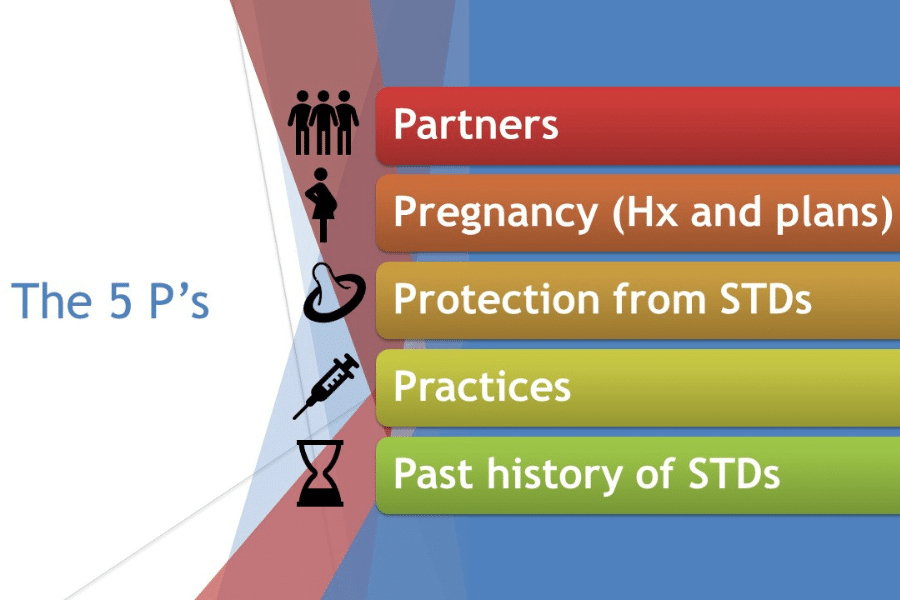
What are the 5 ps of sexual health? You may have come across this question if you’re curious about improving your overall sexual well-being or preparing for a doctor’s visit. The “5 Ps” framework—Partners, Practices, Protection from STIs, Past History of STIs, and Pregnancy Intention—offers a structured way to discuss sexual health with your healthcare provider. Recommended by the Centers for Disease Control and Prevention (CDC) as of their 2024 guidelines (CDC), these five key areas help you and your provider identify what you might need, from risk-reduction strategies to tailored testing.
Many experts advise making the 5 Ps part of every adult and adolescent check-up. In fact, 71% of patients agree that primary care providers should routinely ask about sexual health (Sermo), suggesting you’re not alone in wanting a comprehensive understanding of your sexual wellness. Below, you’ll find a friendly breakdown of each “P” and why it matters to you.
P1: Partners
Discussing Partners means sharing the number and genders of your sexual partners, plus any details about new or concurrent partners. By being open—even if it feels a bit awkward at first—you help your provider assess potential risks.
- Ask yourself: “How many partners have I had in the past year?”
- Mention whether your partner(s) have other partners.
- Be clear about gender identity or orientation, so your provider avoids making assumptions.
P2: Practices
Practices refers to the types of sexual activities—vaginal, oral, anal, or otherwise—that you engage in. Being specific about which body parts or activities are involved helps your provider pinpoint the right screenings or protective measures.
- Be direct about which sexual practices are relevant to you.
- Include frequency or any practices that might increase your potential exposure to STIs.
- If you’re unsure how to describe an activity, try focusing on the body parts involved.
P3: Protection from STIs
Protection includes everything from using condoms to limiting the number of partners. Your doctor can suggest strategies like regular STI testing or more consistent condom use, based on your risk factors.
- Share what methods you use now, such as condoms or other barrier methods.
- Ask about additional prevention options—like STI testing routines—to bolster your protection.
- Let your provider know if you have questions about safer sex or if you’re exploring new methods of protection.
P4: Past history of STIs
Talking about your Past History of STIs is key, since previous infections can raise your current risk. If you’ve had conditions like chlamydia, gonorrhea, HIV, or any other STI, let your provider know.
- Mention if you’ve ever tested positive for an STI, even if it was years ago.
- Share how your past diagnoses were treated and whether you had follow-up appointments.
- Ask about the timeline for re-testing if you’re concerned about reinfection.
P5: Pregnancy intention
Pregnancy intention covers whether you plan to get pregnant, want to avoid pregnancy, or feel uncertain. This “P” includes your partner’s or partners’ goals as well, helping you and your provider address birth control, preconception care, or any related guidance.
- Clarify if you’re trying to become pregnant or not.
- If you’re open to pregnancy but want to wait, ask about contraceptive options.
- Feel free to discuss any fears or questions around pregnancy and family planning.
Beyond risk: Additional factors to consider
Some healthcare professionals now use an enhanced version of the 5 Ps, adding “pleasure,” “problems,” and “pride.” This expanded approach acknowledges the importance of enjoyment, addresses any sexual difficulties, and recognizes the positives in your sexual life (NCBI). Including these extra dimensions helps your provider offer a more holistic experience, making the conversation less about judgment and more about your overall well-being.
Key takeaways
- The 5 Ps framework—Partners, Practices, Protection, Past History of STIs, and Pregnancy Intention—creates a comprehensive picture of your sexual health.
- You can help your provider tailor care by being open about the details of your sexual partners and practices.
- Proactively discussing topics like STI status, pregnancy goals, and prevention strategies makes for a stronger provider-patient relationship.
- Many people feel more comfortable once they realize their doctor wants them to ask questions about sexual wellness.
- Expanding to 8 Ps (adding pleasure, problems, and pride) can help you focus on sexual well-being beyond infection risk.
Staying informed about your sexual health is easier when conversations with your provider are clear and routine. By remembering the 5 Ps, you ensure that the important topics arm you with knowledge and confidence for a healthier, happier life. If you still find it daunting, remember that many patients share your concerns—healthcare professionals are there to help, not judge.