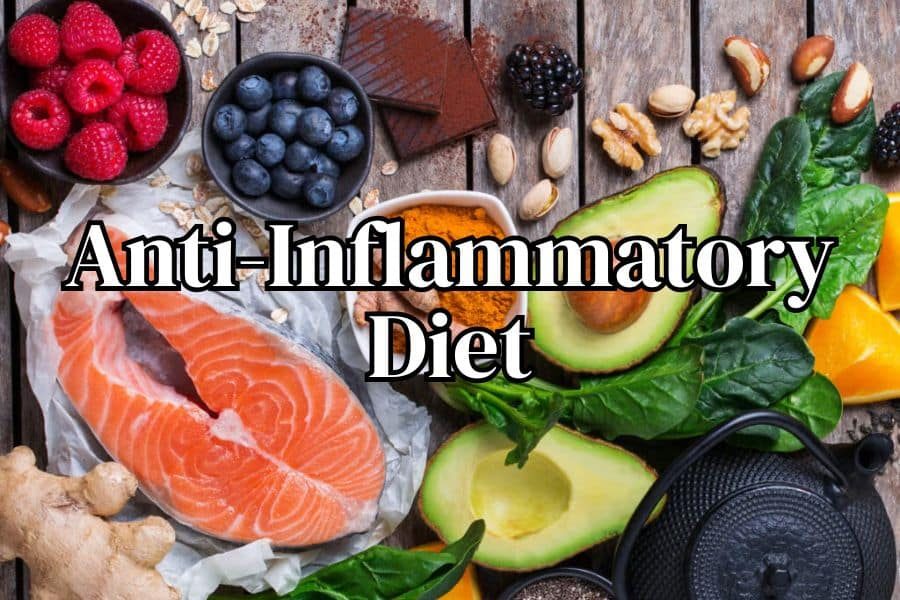
Exploring Anti-Inflammatory Diets
Think of the anti-inflammatory diet as your body’s best friend. It’s on the rise and for a good reason. This diet plan is all about munching on foods that keep inflammation in check, which can be life-changing for those juggling chronic issues like diabetes.
Benefits of Anti-Inflammatory Diets
Jumping on the anti-inflammatory bandwagon comes with a lot of perks. Some studies say this way of eating might lower those pesky proteins causing havoc in autoimmune conditions like arthritis, lupus, and psoriasis.
On top of that, if your meal plan follows the anti-inflammatory route, your chances of dodging heart issues, high blood pressure, and strokes are better (WebMD). For folks with diabetes, it’s like hitting the jackpot: better heart health, less insulin resistance, and more controlled blood sugar. Inflammation, bad diets, extra pounds, stress, and skipping workouts all throw fuel on the diabetes fire (EatingWell).
Trying to fit back into those skinny jeans? An anti-inflammatory diet might be your ticket. Think nutrient-packed, low-cal treats that help zap inflammation and crank up your metabolism.
Check out what anti-inflammatory diets bring to the table:
| Benefit | Details |
|---|---|
| Less Inflammation | Cut down inflammation-causing proteins |
| Healthier Heart | Lowers risks of heart mess-ups and saves you from strokes |
| Weight Wisely | Helps drop pounds with nutritious, low-cal choices |
| Better Diabetes Control | Tackles insulin resistance and helps round up your sugar levels |
Thirsty for more? Dive into our guide on anti inflammatory diet benefits.
Role of Anti-Inflammatory Foods
Anti-inflammatory foods are like superheroes for your insides. Brimming with antioxidants, vitamins, and minerals, they bolster your defenses and keep sugar levels in line.
Some heavy hitters in the anti-inflammatory lineup include:
- Fruits: Bring on the berries, cherries, and oranges!
- Vegetables: Greens like spinach, kale, and broccoli are your pals.
- Whole Grains: Load up on brown rice, quinoa, and oats.
- Healthy Fats: Olive oil, avocados, nuts, and seeds are golden.
- Fish: Salmon, mackerel, and sardines are good catches.
As per WebMD, people who stick to veggie-heavy vegan or vegetarian diets see lower inflammation levels. Turns out, plant-based living works! Just remember, keep it fresh and simple – processed isn’t the word here.
Equally important is giving the cold shoulder to foods that fire up inflammation. Say so-long to sugary stuff, highly processed grains, and bad fats.
Need more ideas? Check out our anti inflammatory foods list.
Bringing anti-inflammatory fare into your meals is a win for diabetes management, by calming inflammation and boosting well-being. Check out different anti inflammatory diet recipes and plans to add some flavor to your journey. Dive into health with foods that love you back.
Anti-Inflammatory Diet for Diabetes
Managing Inflammation in Diabetes
Handling inflammation when you’re dealing with diabetes isn’t just important—it’s your secret weapon. Getting that swelling under control helps keep your blood sugar in check and boosts your overall health. Chronic inflammation is a big, bad wolf behind a lot of diseases, diabetes being one of ’em. Eating whole, real foods like fruits, veggies, grains, beans, fish, chicken, nuts, and olive oil is where you wanna lean (Harvard Health Publishing).
Steer clear of those ultra-processed eats flooded with salt, sugars, and nasty fats—they stir up inflammation and mess with your blood sugar. Adding more anti-inflammatory foods to your plate can dial back the inflammation, supporting friendlier blood sugar levels (EatingWell). Wanna know what to load up on? Check our anti-inflammatory foods list.
Impact of Inflammation on Diabetes
Ever feel like inflammation and diabetes are in a tight tango? That’s because chronic, low-key inflammation can lead to insulin resistance, a stubborn factor in type 2 diabetes (EatingWell). Things like a poor diet, extra pounds, stress, and being a couch potato can rev up the inflammation engine.
When inflammation overstays its welcome, it can mess up healthy cells and has its fingers in many chronic condition pies, diabetes being one of ‘em (Diabetes Care Community). Adopting an anti-inflammatory diet can help bring things back to normal for folks jostling with diabetes.
Think nuts, fish, some of that good ol’ olive oil, berries, and green leafy stuff—these heroes can reduce the heat and keep your blood sugar steady. Check out this quick guide on how certain foods either chill or trigger inflammation.
| Food Type | Impact on Inflammation |
|---|---|
| Nuts | Cools it |
| Fish | Cools it |
| Olive Oil | Cools it |
| Berries | Cools it |
| Dark Leafy Greens | Cools it |
| Ultra-Processed Foods | Fires it up |
| High-Sugar Foods | Fires it up |
| Saturated Fats | Fires it up |
Need some guidance on swapping to an anti-inflammatory diet? Don’t miss out on our anti-inflammatory diet guide.
Figuring out how to keep inflammation in check with your diet can offer you control over your blood sugar and uplift your overall wellness. For some real-life hacks on slipping more anti-inflammatory foods into your meals, check out our anti-inflammatory diet meal plan.
Incorporating Anti-Inflammatory Foods
Taking care of your health and managing diabetes isn’t just about counting carbs or calories—it’s also about choosing the right foods. Munching on foods that tackle inflammation can do wonders for tackling that nasty chronic inflammation, a usual suspect behind diabetes. We’ve rounded up the best anti-inflammatory picks and what to steer clear of.
Top Anti-Inflammatory Eats
There’s a bunch of grub out there that does a grand job of fighting off inflammation. Make room for these superfoods in your day, and you might just find yourself feeling a whole lot zippier.
| Food Type | Examples | What They Can Do |
|---|---|---|
| Fruits | Berries, Oranges, Grapes | Packed with antioxidants that can squash stress that messes with your cells. |
| Veggies | Tomatoes, Carrots, Squash, Broccoli | Loaded with good stuff like antioxidant vitamins and are light on the starch. |
| Whole Grains | Brown Rice, Quinoa, Oats | Fiber-heavy champs that help snuff out inflammation (Piedmont Healthcare). |
| Healthy Fats | Olive Oil, Avocados, Nuts | Kick inflammation to the curb and keep your heart happy. |
| Fish | Salmon, Mackerel, Sardines | Omega-3 fatty acids are their secret weapon against inflammation. |
| Spices & Herbs | Cinnamon, Ginger, Turmeric | Knock down inflammation and boost your overall well-being. |
These eats can slip right into your usual plate of grub. Need a nudge in the direction? Head over to anti-inflammatory diet recipes for a how-to.
Steering Clear of Pro-Inflammatory Grub
Equally crucial is knowing what to give a wide berth when shopping for your eats. Some foods are known for creating a fiery inflammation spectacle and ramp up the chances of diabetes and other health botherations.
| Food Type | Examples | What’s the Problem |
|---|---|---|
| Refined Carbs | White Bread, Pasta, White Rice | Can send blood sugar soaring and fan the flames of inflammation. |
| Sweet Drinks | Soda, Juices | Overloaded with sugar, nudging the body towards insulin hassle. |
| Processed Fare | Cookies, Baked Goods, Processed Meats | Full of unwanted sugars, salt, and unhealthy fats that stir up inflammation (Harvard Health Publishing). |
| Trans Fats | Margarine, Fried Eats | Raise the inflammation bar and risk of various maladies. |
| Red and Processed Meats | Bacon, Sausages, Ham | Tied to climbing inflammation levels and a lineup of chronic illnesses. |
Keeping away from these culprits can dial down inflammation and perk up overall health. Check out anti-inflammatory diet meal plan for more on staying the course.
Switching over to an inflammation-busting lifestyle means filling up on the good stuff and cutting out the troublesome eats. For nitty-gritty on the makeover, hop on over to our anti-inflammatory diet guidelines.
Supplements for Diabetes Management
When you’re managing diabetes, adding the right supplements to an anti-inflammatory diet might just give your blood sugar levels the nudge in the right direction. Among the go-tos are cinnamon and ginseng, each bringing something special to the table in diabetes care.
Cinnamon and Blood Sugar Control
Ever sprinkle cinnamon on your oatmeal or apple pie? Turns out, this spice isn’t just for flavor—it’s got some serious potential in the blood sugar department. Cinnamon has little magic compounds that help your body get cozy with insulin, which can tame those sugar highs. But a heads-up: not all cinnamon is created equal. The Cassia kind—the most common one—packs in coumarin, which can be a red flag for your liver if you overdo it. So stick with safer options like Ceylon.
| Cinnamon Type | Safe Daily Intake (grams) | Notes |
|---|---|---|
| Cassia | Under 0.5 | High coumarin warning here |
| Ceylon | 1 – 4 | You’re in the safe zone |
Got a thing for cinnamon? Great! But don’t skip consulting with your doctor before you shake it into your diet, especially as a supplement. Curious about other goodies you can add to your anti-inflammatory regime? Check out more on anti-inflammatory diet supplements.
Ginseng and Post-Meal Blood Sugar
Then there’s ginseng—a real standout for keeping those sugars in check after chow time, especially American and Asian forms. This herb does its thing by spurring on insulin’s action and release, which helps ride out the sugar wave that comes after eating. Handy, right?
| Ginseng Type | Suggested Daily Intake (grams) | Notes |
|---|---|---|
| American Ginseng | 1 – 3 | Keep those post-meal spikes down |
| Asian Ginseng | 2 – 6 | Puts a boost in insulin action |
Using supplements like these can add a bit of sparkle to your anti-inflammatory diet. And don’t forget to mosey over to our anti-inflammatory foods list. Also, foods like probiotics and magnesium have your back when it comes to sweetening the deal.
Research Insights on Anti-Inflammatory Diets
Study Findings on Inflammation and Diabetes
Let’s cut to the chase—research says munching on an anti-inflammatory diet might be a game-changer for folks with diabetes or teetering on the edge of it. A study gathered 30 brave souls who either had diabetes or were inching close, split ’em up: 20 chowed down on an anti-inflammatory diet, while the other 10 stuck with a control diet (source).
So, what did these food scientists find?
- Blood Sugar: Both teams had a dip in blood glucose.
- Fats and Triglycerides: Saw them heading south too.
- Weight Watchin’: Everybody trimmed down a bit, knocking out some inflammation while they were at it.
Even though the anti-inflammatory crew didn’t outshine the control group by a landslide, it’s safe to say any switch to a healthier diet, paired with shedding a few pounds, can work wonders on your inflammation levels and squish other pesky cardiometabolic issues.
Comparison of Anti-Inflammatory and Control Diets
Let’s get into the nitty-gritty of how these two diets stack up in the diabetes-fighting ring:
| Marker | Anti-Inflammatory Diet Group | Control Diet Group |
|---|---|---|
| Glucose | Yep, it dropped | Also dropped |
| Lipids | Went down | Dropped too |
| Triglycerides | Downward twist | Same thing here |
| Weight | Yep, lost some | Them too |
What jumps out is both diets delivered pretty similar perks. But, the anti-inflammatory diet has that special cozy focus on snuffing out inflammation with some food magic, while the control diet dabbles in general good eats.
If you’re on a mission to tackle diabetes head-on, munching on goodies like leafy greens, fatty fish, and nuts can be your secret weapon. These foods pack a punch in fighting inflammation.
Also worth mentioning—some handy helper supplements could boost your efforts. Cinnamon might give fasting blood sugar a nudge downwards, while Nigella sativa could lift your glycemic groove (source). And let’s not forget probiotics, which could lower your blood sugar and A1c (source).
In the end, both a good ol’ diet facelift and an anti-inflammatory menu can seriously shake up your diabetes management game. Want to jump into some tasty anti-inflammatory recipes? Check out our guide to anti-inflammatory diet recipes and start cooking up some goodness.
Practical Tips for an Anti-Inflammatory Diet
Hey there! So, thinking about jumping on the anti-inflammatory bandwagon? You’re in good hands. Especially if you’re managing diabetes, the change might feel like hitting a high dive board for the first time. But, don’t sweat it. Here, we’ll make it easy peasy for you to dive right into this health-boosting eating habit. We’ll break it down into two parts: getting started with anti-inflammatory chow and going Mediterranean.
Transitioning to Anti-Inflammatory Eating
Shifting to an anti-inflammatory diet doesn’t mean tossing your whole pantry out the window. It’s about making some clever swaps and choices.
Key Steps to Transition
-
Get Cozy with Whole Foods: Go big on fruits, veggies, whole grains, nuts, seeds, fish, chicken, and olive oil. This lineup is your all-star team for fighting inflammation.
-
Ditch the Junk: Say goodbye to stuff like white bread, sugary cereals, pasta made with bleached flours, white rice, soda, and baked sweets. These are inflammation’s BFFs.
-
Sugar Watch: Try to keep the sugar to 14 grams a day or less. Same goes for those sneaky refined carbs that act like sugar once they hit your system, like that tempting white bread.
-
Love Those Omega-3s: Load up on oily fish—tuna, sardines, salmon. It helps balance things out with the less friendly omega-6s found in processed foods.
-
Grains and Greens Rule: Whole grains pack fiber and veggies like tomatoes and leafy greens give you antioxidants minus the extra starch.
-
Easy on Dairy: Opt for fermented stuff like yogurt or kefir and keep the dairy to a chill level.
| Food Goodies | Examples | Things to Skip |
|---|---|---|
| Whole Foods | Fruits, veggies, grains, nuts | Junk snacks, highly processed |
| Omega-3 Heroes | Tuna, sardines, salmon | Omega-6 heavy processed grub |
| Whole Grains | Brown rice, quinoa, whole wheat | White breads, refined stuff |
| Fermented Dairy | Yogurt, kefir | High dairy, non-fermented yogurt |
Need more tips? Check out our anti inflammatory foods list.
Mediterranean Diet Approach
Going Mediterranean is like a fun twist to the anti-inflammatory plan. Famous for keeping inflammation in check, it focuses on whole and unprocessed deliciousness.
Key Ingredients of the Mediterranean Diet
- All About That Produce: Fill your plate with a rainbow of fruits and veggies.
- Plant-Powered Proteins: Beans and nuts are your go-to for protein.
- Good Fats Only: Let olive oil take the lead over other oily options.
- Grain Game: Reach for brown rice, whole wheat, and whole grain pasta.
- Fish and Fowl: Reel in some fish like salmon and bring chicken to the table more often.
- Skip the Red: Keep the red meat to a rare treat.
This style of munching doesn’t just reduce inflammation, it’s also a champ for keeping blood sugar in check and generally improving your health.
| What to Love | Examples |
|---|---|
| Fruits & Veggies | Bright veggies, citrus, berries |
| Plant Proteins | Lentils, almonds, walnuts |
| Healthy Fats | Olive oil, avocados |
| Whole Grains | Quinoa, brown rice, whole wheat |
| Fish & Poultry | Salmon, sardines, chicken |
| Limited Red Meat | Lean cuts, keep it occasional |
Make it easy on yourself and ease into these changes by swapping out just one meal a day initially. Looking for meal inspiration? Grab some fun ideas from our anti inflammatory diet recipes.
By following these everyday tips, switching to an anti-inflammatory diet can be a breeze, with the Mediterranean diet giving you tasty options while tackling those health goals. Explore more about it on our anti inflammatory diet page.