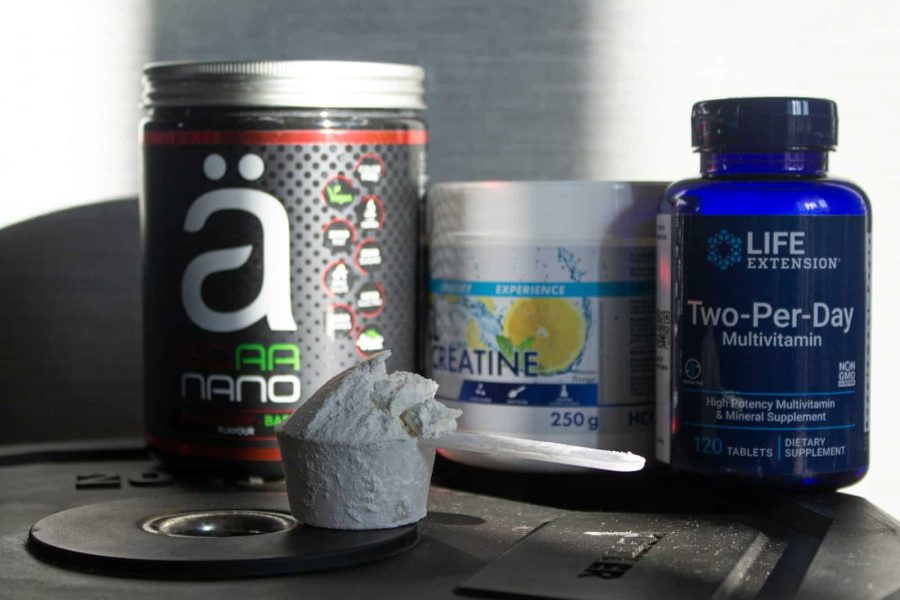
Understanding Creatine for Teenagers
Creatine’s getting popular among young athletes these days, and for good reason! Give it a minute, and we’ll break down what creatine is, where you get it naturally, and why it might just be your new secret weapon.
Introduction to Creatine
Think of creatine as a friend that helps when you’re pushing yourself to the max—like during sprinting or lifting weights. It’s an amino acid that drives energy into those explosive moves. Don’t worry, your body already knows a thing or two about making creatine, plus you can chow down on some foods or even pop a supplement to get more (Children’s Hospital Colorado). Not only does it help when you’re benching or running, but it’s got some cool health perks for conditions affecting muscles and metabolism too (PubMed Central).
Natural Sources of Creatine for Athletes
Sure, you’ve heard of creatine supplements, but let’s dish the goods on where you can find creatine naturally. Here are a few tasty options:
| Natural Source | Creatine Content (per 1 lb) |
|---|---|
| Beef | 2 grams |
| Pork | 2 grams |
| Salmon | 2 grams |
| Tuna | 1.8 grams |
| Cod | 2.3 grams |
This handy table’s got the lowdown on which foods to munch on for a creatine boost. Getting your fill from these yummy treats can make a real difference, especially if you’re out there smashing goals on the field or in the gym.
If you’re really gunning for peak performance, mixing up those natural sources with some creatine powder might give you a leg up. When you’re shopping for supplements, creatine monohydrate is usually a solid pick.
Curious about the inner workings of creatine and how it might amp up your game? Check out our guide on how creatine works and dive into the benefits of creatine supplementation.
Keep your plate balanced with these creatine-rich foods, and you’re off to a great start. But hey, if you’re aiming to really crank up your strength and performance, supplementing could be your next move. Head over to see the best creatine supplements for more scoop on different types.
Safety Considerations
Keeping creatine safe for teenagers isn’t something you can shrug off. It’s about getting the scoop on how to use it right and knowing what could go wrong. Understanding the do’s and don’ts of creatine usage is crucial for young athletes and their families.
Need for Supervision in Creatine Use
Teenagers and creatine shouldn’t mix solo. The number one rule here? Only take creatine if a pro says it’s okay—get a sports dietitian or doctor’s thumbs up first. These folks steer you clear of trouble, because safety’s their game (Children’s Hospital Colorado).
Getting the green light from an expert comes with perks:
- Figuring out if they really need it
- Tweaking what they eat to make it count
- Giving a crash course in good nutrition
- Dodging banned stuff
- Sparing some cash on stuff you don’t need
But let’s be real: a lot of doctors say “no way” to teens under 18 using creatine. Why? Not enough research on how it plays out long-term for young users.
Risks and Concerns with Creatine
You gotta think about the risks before letting teenagers start with creatine. Groups like the American Academy of Pediatrics and the American Society of Sports Medicine just ain’t onboard for those under 18 using it—citing not enough long-haul studies.
Here’s what could go wrong:
- Muscle cramps
- Dehydration
- Feeling queasy
- Stomach troubles
- Seizures
Especially risky for those cutting weight or dehydrating on purpose—stay away from creatine, as it makes things worse.
For adults, creatine often gets a clean bill of health in trials, even when used long-term—go figure. But when it comes to teens, the jury’s still out. That’s why consulting with a pro is critical before diving in.
Want in on more details? Check out what creatine can do health-wise and get the lowdown on how much creatine to take.
Teenage Athletes and Creatine
Trends in Creatine Usage Among Teenagers
Teenagers are jumping on the creatine bandwagon, especially the sporty ones. A 2016 survey showed nearly 17% of 12th-grade guys were trying it out (CHOC Children’s Hospital of Orange County). Why? They’re looking to bulk up, perform better, and keep going longer when they’re out there on the field.
| Grade Level | Percentage Using Creatine |
|---|---|
| 12th Grade Males | 17% |
| 10th Grade Males | 10% |
| 8th Grade Males | 5% |
With benefits like more energy and bouncing back quicker after a workout, it’s no wonder creatine’s in their gym bag. Wanna dig deeper into why creatine’s all the rage? Head over to our page on creatine’s perks.
Medical Recommendations on Creatine Use
Even with its hype, docs and health experts generally say creatine’s best suited for those 18 and older. Why? Because there’s still a lot we don’t know about what it does to teenagers long-term. Big names like the American Academy of Pediatrics and the American Society of Sports Medicine back up this advice for young athletes under 18 (University Hospitals).
Main worries? Things like kidney issues or getting dehydrated. Plus, creatine supplements aren’t regulated like other stuff, so you might end up with something you didn’t bargain for in that bottle. Got concerns about what creatine could do? Check out our article on creatine side effects.
Docs will tell you straight: eating right beats any powder or pill. A diet that’s packed with good-for-you foods fuels you up without the risks that come with taking supplements. Learn more about how natural eats can power you up on our page about what creatine is all about.
Making smart choices about how to up your game is key, especially if you’re still young and still growing. For detailed advice and things to watch out for when it comes to creatine for teens, swing by our guide on creatine dosage. Educate yourself and take the best steps for your athletic dreams!
Performance and Benefits
Let’s talk about why creatine keeps popping up as the go-to supplement for teen athletes. With solid research backing its perks, creatine isn’t just all talk. It can actually give your performance a solid boost and comes with some hidden health gems too!
Impact of Creatine on Exercise Performance
So, why does creatine have fans among athletes? It’s like a little power pack for your muscles. When you add creatine to your diet, your muscles get a good soak of phosphocreatine. This helps crank up ATP production — that’s the magic juice for quick energy. So whether you’re dashing on the track or pumping iron, creatine’s got your back, offering more oomph.
Teens who mix creatine with their exercise routines often see stats climbing up. This means strength, power and stamina get an upgrade. Research notes that when it’s used right, creatine can pump up your performance both in short bursts or over longer use, with not much risk of messing up your game.
| Exercise Performance Metric | How Much Better (%) |
|---|---|
| Strength | 5-15% |
| Power | 5-8% |
| Endurance | 10-20% |
Craving more details on this performance booster? Check out all the science behind it on our how does creatine work page.
Therapeutic Benefits and Clinical Applications
But creatine isn’t just flexing in the gym; it’s getting some gold stars in health circles too. Doctors and researchers are digging into its benefits beyond just sports. Turns out, for teens battling certain muscle and metabolic disorders, creatine is a pretty useful tool. Those with issues like Duchenne Muscular Dystrophy have seen their muscles work better. More phosphocreatine in the muscles means they can keep ticking longer.
Looking at young patients, creatine’s making waves in helping with:
- Duchenne Muscular Dystrophy (DMD): Buffs up strength and eases muscle wear and tear.
- Cerebral Creatine Synthesis Deficiencies: Sharpens smarts and slows the illness.
- Myopathies: Muscle power-up.
- Creatine Transporter Deficiencies: Mind and muscle functions feel the lift.
| Clinical Disorder | How Creatine Helps |
|---|---|
| Duchenne Muscular Dystrophy | Better muscle strength |
| Cerebral Creatine Deficiencies | Smarter and steadier growth |
| Myopathies | Stronger muscles |
| Creatine Transporter Deficiencies | Brain boost and muscle lift |
Thinking about trying creatine? Creatine monohydrate is a hit choice thanks to its strong performance and safety mark. Just don’t skip on checking out guidelines and cautions to make sure you’re using it right, especially if you’re young and sporty.
For more deep dives into how creatine can support both your athletic dreams and health goals, pop over to read our benefits of creatine supplementation article.
Research Summary and Recommendations
Studies on Creatine in Adolescent Populations
Look, creatine, it’s got some rep for boosting performance and even lending a helping hand health-wise. Especially for the young guns. We’re talking about teenagers here and the research isn’t just interesting; it’s kinda eye-popping. For example, studies have pointed out that there’s more phosphocreatine in muscles, especially with young folks dealing with things like Duchenne Muscular Dystrophy. Think of it as giving a bit of a kick to intellectual growth and slowing down disease progress.
| Study Focus | Population | Results | Source |
|---|---|---|---|
| Sports Mojo | Teen athletes | Better scores on swim and sprint tests, more oomph in power | NCBI |
| Healing Benefits | Kids with health issues | Noticed improvement in creatine-related problems and muscle conditions | PubMed Central |
Kids and teens seem to dig the stuff, too. A survey mentioned that about 34.1% of young ones are popping dietary supplements for better sports play, with creatine being a crowd favorite. Over in Australia, 8.4% of young dudes currently use creatine and 25.7% think about trying it.
Guidelines and Cautions for Creatine Usage
Alright, let’s not get too carried away. Creatine’s nice and all, but it’s not like candy for teens. You gotta play it smart, following some good ol’ dos and don’ts. Have someone check on that creatine dose. This stuff isn’t a guessing game.
- Dose and Keep an Eye Out:
- Get a doc or nurse to figure out how much creatine suits your teen’s body.
- Make sure someone’s there to see they’re spacing and using it right.
- Heads Up on What Might Go Wrong:
- Keep in mind, creatine might bring some hiccups like feeling parched, tummy issues, and muscle twitches.
- Keep up those fluids and eat well while they’re on creatine.
- Doctor’s Orders:
- Studies say creatine doesn’t usually mess much with teen athletes and they handle it well [NCBI].
- Stick to the script and mind the health guidelines to avoid any wild scenarios.
- For Healing Good:
- Creatine could pack a punch for particular health issues like Duchenne Muscular Dystrophy and brain stuff related to creatine.
- Connect with a doc for medical advice if considering it for health conditions.
These tips can make sure creatine does more good than harm and helps teens hit their stride. Think about peeping into various creatine forms like creatine monohydrate and creatine capsules for a closer look.