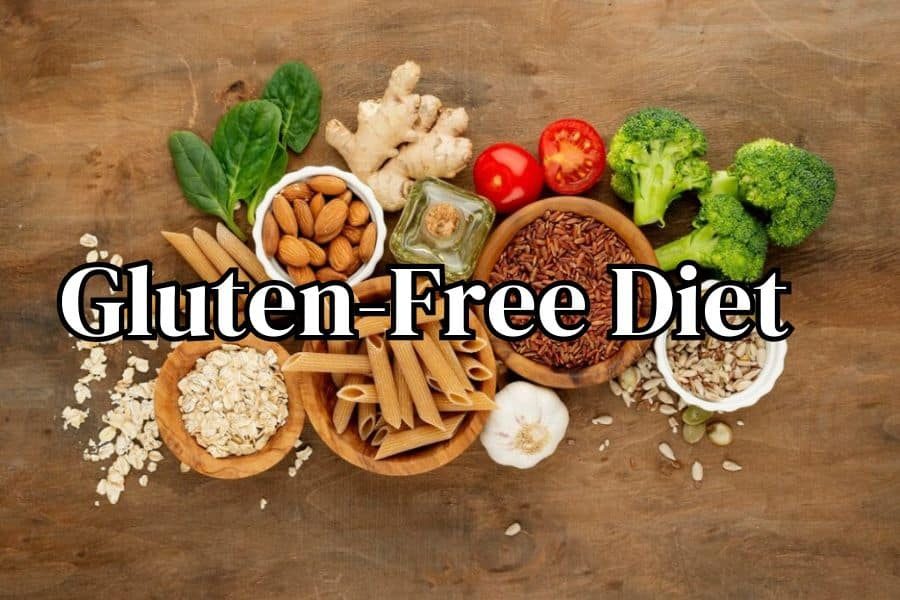
Understanding Gluten-Free Diet
So, you’re thinking about diving into a gluten-free diet, huh? This means steering clear of that sneaky little protein called gluten, hiding out in wheat, barley, rye, and uh, spelt (yes, that’s a real thing, not a typo). You won’t miss out though, ‘cause there’s a whole ton of yummy stuff like fruits, veggies, meats, and special gluten-free treats waiting for you. Let’s chat about this gluten-free gig and see what’s in it for you.
Basics of Gluten-Free Diet
Alright, here’s the scoop: a gluten-free diet is basically all about dodging foods with gluten. Forget about:
- Bread
- Pasta
- Most cereals (sad, I know)
- Those delish baked treats
But fear not! Here’s what you can chow down on instead:
- Fruits and Veggies: These beauties are naturally free of gluten and packed with all the goodness you need.
- Meats and Fish: Perfectly gluten-free, just keep an eye out for breading or sauces that might sneak gluten in.
- Dairy Goodies: Milk, cheese, and yogurt won’t betray you on the gluten front, but do a quick check for those pesky added extras.
- Gluten-Free Grains: Munch on rice, quinoa, and corn—they’ve got your back.
Benefits of Going Gluten-Free
Switching to a gluten-free life comes with some pretty sweet perks, especially if gluten’s been giving you a hard time. Here’s what you might notice:
A Happy Belly
For folks with something like celiac disease, dumping gluten can mean a happier tummy. Bye-bye to bloating, diarrhea, and tummy aches! Your digestive system will thank you (Healthline).
Shedding Those Extra Pounds
A lot of folks find themselves shedding extra pounds after going gluten-free. Usually, it’s because they quit all those calorie-loaded processed foods. Wanna know more? Take a peek at our piece on gluten free diet and weight loss.
Beating the Inflammation
For certain people, ditching gluten helps turn down the inflammation dial. If you’re dealing with arthritis or chronic pain, you might want to try it. Hop over to our gluten free diet and inflammation section for the deets.
If gluten’s not your friend, the upsides are plenty, but even if you’re not super gluten-sensitive, there’s a chance you’ll feel fresher and more vibrant on this diet. Need a hand getting started? See our gluten-free diet for beginners guide.
Do remember though, results can vary—just because gluten’s out, doesn’t mean your tummy issues are totally in the past. Sometimes it’s about those tricky FODMAPs too. Wanna find out more? Checkout our low FODMAP diet guide for all that info.
Gluten-Free Diet and Weight Loss
Thinking about ditching gluten? It could play a big role on your scale. Whether you’re trying to lose those stubborn pounds or hold steady, knowing how a gluten-free lifestyle fits into the picture is good to know.
Impact on Weight Management
Going gluten-free means saying goodbye to stuff like wheat, barley, and rye. For folks with celiac issues or those who are just sensitive to gluten, skipping it can really pay off with better health. But what about your waistline?
People often drop a bit of weight because they steer clear of processed foods when they go gluten-free. Your shopping list gets a little healthier, filled with more fruits, veggies, lean meats, and grains like quinoa and rice that won’t stab you in the gut with gluten.
Still, just avoiding gluten doesn’t hand you a one-way ticket to Weight Loss City. Some gluten-free goodies can be sneaky little calorie-bombs, just as hefty in fats and sugars. Keeping an eye on what you eat matters big time. Here’s a peek at some gluten-free and gluten-laden bites and their calorie tallies:
| Food Item | Calories (per serving) |
|---|---|
| Gluten-Free Bread (1 slice) | 90 |
| Regular Bread (1 slice) | 80 |
| Gluten-Free Pasta (1 cup) | 190 |
| Regular Pasta (1 cup) | 200 |
Zero in on eating whole foods with lots of nutrients, and keep those portions under control, and you’ll have a better handle on your weight while going gluten-free.
Balancing Nutrient Intake
One tricky bit about cutting gluten is making sure you’re still getting the good stuff your body needs. Sometimes, gluten-free options don’t quite measure up to their gluten-containing cousins when it comes to vitamins and minerals. This could be a quick trip to deficiency-ville.
To keep a well-rounded diet, you gotta bring in a diverse range of naturally gluten-free options. Here are some tips to help juggle your nutrient intake:
- Pile on the Whole Grains: Go for gluten-free grains like quinoa, brown rice, and buckwheat to load up on fiber, iron, and those B vitamins.
- Feast on Fruits and Veggies: Gluten-free by nature, these are bursting with essential nutrients and protective antioxidants.
- Lean Protein’s the Way to Go: Pick your proteins wisely with chicken, fish, beans, and legumes to get what you need without the extra fat.
- Check for Fortification: Some gluten-free foods are boosted with important vitamins and minerals you’re gonna want.
To get the lowdown on building a balanced gluten-free meal lineup, dive into our handy guides on gluten-free diet and weight loss and some killer gluten-free recipes.
Going gluten-free isn’t just a diet—it’s a chance to take control of your health and weight. To get the most out of it, chow down on lots of different, nutrient-packed foods and consider having a chat with the pros, especially if there’s anything serious going on with your health.
Understanding Gluten Sensitivity
Thinking about cutting out gluten? First things first, you’ll want to understand what gluten sensitivity is all about. We’ll chat about celiac disease and non-celiac gluten sensitivity—two reasons why some folks say “no thanks” to gluten.
Celiac Disease Rundown
Celiac disease isn’t just a preference, it’s an autoimmune thing where digesting anything with gluten can mess up your insides. For those with celiac, sticking to a gluten-free diet (GFD) isn’t optional; it’s a must to fend off belly troubles and gut damage (Mayo Clinic).
What happens is, your immune system goes haywire over gluten, which stirs up inflammation and messes with your small intestine, making it hard to soak up nutrients. To figure out if you’ve got it, docs will check for certain antibodies in your blood and look for gut damage (NCBI).
Sticking to a gluten-free life is key to feeling better and dodging problems. But beware of gluten hiding where you least expect it, since it can wreck your progress. While going gluten-free helps, it can also mean missing out on some vitamins and minerals. Watch out for changes in cholesterol and body shape, too (NCBI).
Learn more about dealing with celiac with a gluten-free diet and celiac disease.
Non-Celiac Gluten Sensitivity
Got tummy trouble or brain fog after eating bread, but it’s not celiac? You might have non-celiac gluten sensitivity (NCGS). This means gluten gives you grief, but it’s not the full celiac or wheat allergy story. Symptoms like digestive drama, tiredness, headaches, or achy joints are common. We don’t really know why, but people say that steering clear of gluten helps.
Unlike celiac disease, there’s no straightforward test for NCGS. Docs mostly figure it out by ruling other stuff out and seeing if going gluten-free brings some relief. How strict you go depends on how you feel.
Check out how a gluten-free diet may offer relief to those with conditions like gluten-free diet and IBS.
Being clued-in about both of these gluten issues helps you grasp why dietary choices are vital and different. Dive into our guide on how to start a gluten-free diet for all the nitty-gritty.
Connection with FODMAPs
Defining FODMAPs
Alright, let’s break it down. FODMAPs stand for Fermentable Oligosaccharides, Disaccharides, Monosaccharides, and Polyols. These are fancy words for sugars that like to party in your gut. They’re the troublesome guests found in foods you munch on every day—like fructose in fruits, lactose in dairy, fructans in wheat, galactans in beans, and polyols found in some artificial sweeteners.
Now, here’s the kicker: if you’ve got a touchy tummy, these sugars don’t get along well in your small intestine. They skip the digestion invite and head straight to your large intestine. This is where they meet gut bacteria and throw a gas-producing, water-attracting rave, which can leave you feeling bloated, windy, and with a sore belly. If this sounds like your Tuesday night with Irritable Bowel Syndrome (IBS), cutting back on high FODMAP offenders might just ease those troubles.
For more about how to navigate this dance with FODMAPs, check out our gluten free diet and IBS guide.
Low FODMAP Diet Effectiveness
So, does the low FODMAP diet really deliver? You betcha! Loads of people with IBS report a real improvement in their gut grumbles. The plan’s like a magic trick, reducing those dreaded IBS symptoms and boosting your daily life (NCBI). It’s especially good at taking the punch out of bloat and that feeling like you’re wearing an invisible belt that’s way too tight (Frontiers in Nutrition).
According to various studies, going low FODMAP does wonders compared to sticking to your regular diet. It’s like switching from a clunky old station wagon to a smooth, efficient hybrid—symptoms like bloating, gas, and tummy aches are significantly dialed down. This is especially good news for folks with non-celiac gluten sensitivity (NCGS), who might be blaming gluten when it’s actually the fructans in wheat causing the fuss (Monash University FODMAP Blog).
| Symptom Reduction | Standard Diet | Low FODMAP Diet |
|---|---|---|
| Bloating | 65% | 85% |
| Abdominal Pain | 50% | 80% |
| Flatulence | 55% | 75% |
These numbers speak volumes about how a low FODMAP diet can be a game-changer for IBS pain management. Just remember, it’s best to bring in a pro to help guide the way, so you keep a balanced diet without missing out on the good stuff.
For more ways to make FODMAPs work for you, head over to our piece on gluten free diet and inflammation.
Managing Symptoms with Diet
Role of Gluten in Symptoms
Let’s talk gluten, the unruly guest crashing your gut party. If you’re dealing with celiac disease, gluten is enemy number one—kind of like the villain in a superhero comic. You’re looking at strict gluten-free eating to keep that gut in check, and according to folks at the Mayo Clinic, even a crumb of gluten can turn your gut upside down, leading to bloating, nutrient gaps, and some unkind trips to the bathroom.
For those not rocking a celiac diagnosis but still in discomfort-city, gluten sensitivity can still be your stomach’s arch-nemesis. One study put 61 folks under the gluten microscope and found it really did amp up belly bloating (Frontiers in Nutrition).
| Condition | Enemy Impact |
|---|---|
| Celiac Disease | Major gut turmoil, nutrient shortcomings |
| Non-Celiac Gluten Sensitivity | Bloated and uncomfortable |
Low FODMAP Diet for Relief
If cutting out gluten ain’t working like you’d hoped, maybe it’s time to give the Low FODMAP diet a go. This plan takes aim at certain carbs (FODMAPs) that love stirring up digestive drama. For those wrestling with IBS, a Low FODMAP plan has shown to outshine gluten-less meals by beating bloat and tummy aches. A handy tip from the Frontiers in Nutrition—it’s like the caped crusader diet for those bloat battles.
| Eating Plan | Bloat Battling Power |
|---|---|
| Low-FODMAP Diet | Super Effective |
| Gluten-Free Diet | Good, but only if you’re sensitive |
Think of starting a Low FODMAP diet as detective work, finding which foods are the real troublemakers. It’s like the buddy system for your gut when you team it up with gluten avoidance, especially for IBS warriors. Dive deeper into our guide on gluten free diet tricks and IBS solutions.
Need a roadmap for switching things up? Check out our survival guide on kicking off a gluten free diet and grab some meal ideas that keep things tasty.
Practical Implementation
Gluten-Free Diet Tips
Going gluten-free can seem like you’re about to climb Everest, but don’t sweat it. Here’s how to kick things off without losing your cool:
- Learn the Ropes: Get to know what’s packing gluten, like wheat, barley, and rye, and find buddies in gluten-free options such as quinoa, rice, and millet.
- Check Everything Twice: Labels can be sneaky—look out for gluten disguised as a thickener or stabilizer in processed foods.
- Plan Like a Pro: Sketch out your meals ahead of time to dodge gluten slip-ups. Need help? Check out our gluten-free diet meal plan.
Here’s a quick swap guide for grains:
| Gluten-Containing Grains | Gluten-Free Alternatives |
|---|---|
| Wheat | Quinoa |
| Barley | Rice |
| Rye | Millet |
- Stick to Fresh Finds: Fresh fruits, veggies, meats, and dairy are your best pals—naturally free of gluten.
- Try New Tastes: Give gluten-free flours like almond, coconut, or rice a whirl in the kitchen.
- Find Your People: Connect with folks who are also gluten-free; they can share tips and good vibes.
If dealing with IBS feels like dealing with an unruly toddler, our article on gluten-free diet and IBS might have some tricks up its sleeve.
Transitioning to Low FODMAP Style
Thinking about going all-in on both gluten-free and low FODMAP? Check these out:
- Get Expert Advice: Chat with a doctor or dietitian to whip up a plan that works for you, especially if gluten might not be the real bad guy (Monash University).
- Have a Game Plan: Use Monash University’s Low FODMAP Diet to figure out which foods to keep and which to ditch.
- FODMAP Know-How: Just because grains like wheat, rye, and barley are off the list, the real trouble could be the FODMAPs not gluten (Gluten Intolerance Group).
Here’s a cheat sheet for swapping foods:
| High-FODMAP Foods | Low-FODMAP Alternatives |
|---|---|
| Wheat Bread | Spelt Sourdough Bread |
| Garlic | Garlic-Infused Oil |
| Onions | Green Parts of Spring Onions |
- Keep Tabs on Yourself: A food diary can help catch any sneaky patterns or triggers, so you know exactly what’s causing a fuss.
- Take it Slow: Cut out all the high-FODMAP stuff, then reintroduce one by one to test your limits.
Following these steps can help you tackle symptoms with either a low FODMAP diet or gluten-free diet. Hungry for more? Check our pieces on gluten-free diet for beginners and gluten-free diet recipes.