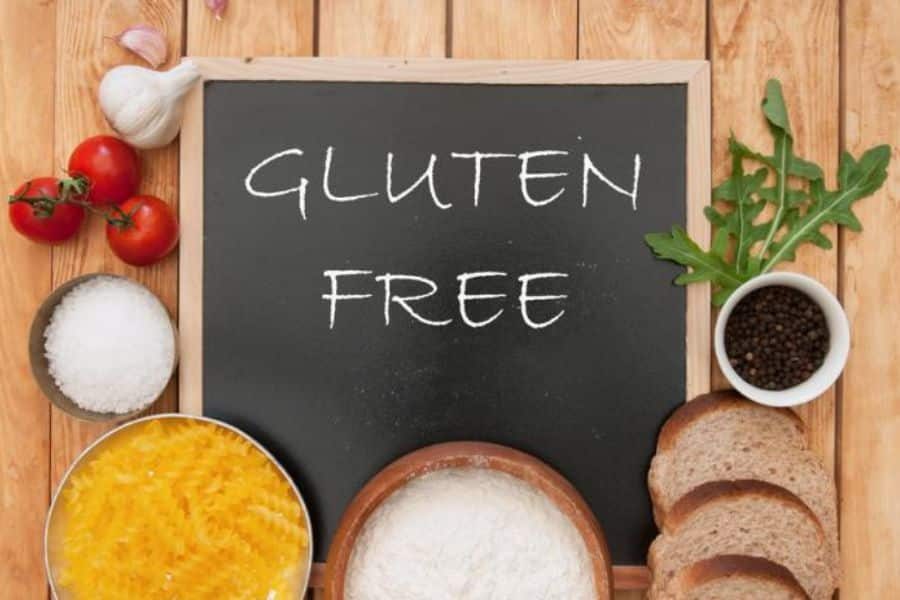
Understanding Gluten-Free Diets
Basics of a Gluten-Free Diet
So, what’s the scoop on going gluten-free? Well, it’s all about steering clear of gluten, a little protein that lurks in wheat, barley, and rye. This is crucial for folks with something called celiac disease, an autoimmune condition that’s as pesky as a clingy cat. For them, even a smidge of gluten can cause their intestines to go wild—cue the belly ache, nausea, bloating, and, yep, the runs. Fun times, right? (Johns Hopkins Medicine).
Now, if you’re just rolling into this gluten-free gig, you’ve got to know what’s off the menu and what’s still fair game. Here’s the quick low-down:
Foods to Ditch:
- Bread
- Noodles
- Those tempting baked goodies (unless they’re shouting “gluten-free” from the package)
- Cereal with wheat, barley, or rye—basic offender list.
Grub You Can Grab:
- All the fruits and veggies your heart desires
- Meats and poultry (hold the breading, please)
- Fish and shellfish
- Milk products
- Gluten-free grains (like rice, quinoa, corn—you get the idea)
Wanna take a deeper dive? Check out more on how to start a gluten-free diet and our beginner’s manual for tips and tricks aplenty.
Benefits of Going Gluten-Free
Jumping on the gluten-free bandwagon could do you a world of good, especially if gluten ain’t your friend or if celiac disease gatecrashed your life. Beyond just calming down that upset stomach, it might just give your health a nice little boost.
Reduced Inflammation
One pretty neat perk of skipping gluten is how it might chill out inflammation. For those battling autoimmune dramas like celiac disease, dodging gluten helps the body stop throwing fits—meaning less pain and a happier you (NCBI). Fewer cramps, less bloating, and better digestion are all on the table.
Improved Gut Health
Get this—some new findings suggest cutting out gluten can help folks who have irritable bowel syndrome (IBS). By munching on gluten-free goodness, your tummy might just thank you by being less gassy and bloated.
| Gluten-Free Perk | What It Does |
|---|---|
| Reduced Inflammation | Less immune flare-ups for gluten-sensitive folks |
| Improved Gut Health | Could ease IBS-related belly woes |
| Boosted Energy | Less bloating means more pep in your step |
For all the deets on the benefits of a gluten-free diet, peek at our main guide.
Alleviation of Non-Gastro Symptoms
There are tales out there of how some folks don’t just see gut benefits but also feel better overall when cutting out gluten. We’re talking fewer headaches, less joint pain, more energy. Science is still hashing this stuff out, but people seem to notice the difference (NCBI).
Weight Watch
Switching it up to a gluten-free diet might even help with shedding some pounds. When you skip the gluten-laden processed stuff and stick to wholesome, natural foods, you might find yourself in better shape both inside and out. Tune in for more about gluten-free eating and weight drop over in our special section.
Kicking things off with a gluten-free lifestyle can be a game-changer. Take a look at our gluten-free diet weight tips and dig into some delicious gluten-free recipes to make the leap as fun and tasty as possible!
Gluten and Inflammation
Let’s chat about gluten and how it can mess with your body, especially if you’re trying to feel better and live healthier. Dive with me into the ways gluten feeds inflammation and pokes at your brain health.
Impact of Gluten on Inflammation
You might say gluten is like that one relative who, without fail, stirs the pot at family gatherings—only this time, it’s in your gut. For folks dealing with gluten sensitivity or celiac disease, chowing down on gluten can lead to ongoing inflammation. This isn’t just a belly issue—it can throw your gut’s natural flora out of whack and mess with the gut lining. The result? Problems like tummy troubles, feeling wiped out, and discomfort (Source).
Switching to a gluten-free diet (GFD) may shift what you end up eating. While going gluten-free often means munching more fat and sodium, it also tends to slash your fiber and must-have vitamins like B1, B6, B12, and folate. This shift might aggravate inflammation, giving you that grumpy “why did I even get out of bed” feeling (PubMed).
Comparative Dietary Analysis: Gluten-Free vs. Habitual Diet
| Nutrient | Gluten-Free Diet | Habitual Diet |
|---|---|---|
| Fat | Up the ante | Baseline |
| Sodium | Up the ante | Baseline |
| Fiber | Running low | Baseline |
| Vitamin B1 | Running low | Baseline |
| Vitamin B6 | Running low | Baseline |
| Vitamin B12 | Running low | Baseline |
| Folate | Running low | Baseline |
Neurological Effects of Gluten
Gluten’s not just causing a ruckus in your belly—it’s got nerve, literally! That inflammation can do a sneaky roll through your bloodstream and bug your brain. We’re talking about things like brain fog, wobbly movements, and even mental health hiccups (PMC).
Take schizophrenia, for instance. Some folks have noticed smoother mental sails and less tummy drama when they kiss gluten goodbye. It’s enough to make you raise an eyebrow at how gluten might be tied up in your mood swings (Source).
Curious about how dodging gluten can boost brain vibes? Peek into the gluten-free diet and neurological disorders.
Neurological Impact: Symptoms and Gluten-Free Diet
| Symptom | Impact of Gluten | Improvement with GFD |
|---|---|---|
| Brain Fog | Gets worse | Cleared up |
| Clumsiness | Gets worse | Cleared up |
| Tingling Nerves | Gets worse | Cleared up |
| Mood Disorders | Gets worse | Cleared up |
Ready to hop on the gluten-free train? Our guide on how to start a gluten-free diet is ripe with tips. Plus, keep an eye on potential nutrient deficiencies so you aren’t missing the good stuff that keeps inflammation and health on the up and up.
Understanding gluten’s role in stirring up trouble can help you take charge of your health journey. So go ahead—arm yourself with knowledge and start making choices that might just make your day a little brighter.
Gluten-Related Health Conditions
Going gluten-free can be a game-changer, especially if gluten isn’t your body’s best friend. Knowing the ins and outs of these gluten-related hiccups will help you decide if dropping gluten suits you.
Celiac Disease: The Lowdown
Celiac disease ain’t just a tummy ache—it’s an autoimmune storm. Gobbling gluten prompts the body to attack its own small intestine. We’re talking belly pain, queasiness, gas, or a rush to the loo. If you’ve got this, gluten’s gotta go, forever. Learn more about the need to be gluten-free at Johns Hopkins Medicine.
Celiac’s Tell-Tale Signs:
- Tummy aches
- Toilet troubles
- Bloated belly
- Drained energy
Living that gluten-free life can make a world of difference, easing the stormy symptoms. Peek at our scoop on gluten-free diet and celiac disease for the full story.
Non-Celiac Gluten Sensitivity
Not feeling gluten but not having celiac? You might be dealing with non-celiac gluten sensitivity (NCGS). It’s like a nudge in the gut minus the autoimmune drama. Bloating, tummy pains, feeling wiped out are part of the package. To figure out if gluten’s the culprit, some folks try a low FODMAP diet.
NCGS Red Flags:
- Gut grumbles
- Head-pounders
- Zapped energy
- Achy joints
While the evidence isn’t as concrete for NCGS as it is for celiac, many say cutting gluten helps them feel tons better. Check out the gluten-free diet and IBS to see how it might help your stomach settle.
Thinking about going gluten-free? It’s worth understanding how gluten makes you feel to see if saying goodbye can brighten your days. Ready to take the plunge? Our guide on how to start a gluten-free diet has you covered.
Link Between Gluten and Brain Issues
Autism Spectrum Disorders (ASD)
Lately, there’s been a buzz about gluten’s role in autism. The chatter? Some parents swear by ditching gluten to tone down the drama of ASD—a valid call, given how tummy troubles and behavior hiccups tend to tag along. Interventional studies even back it up: a gluten-free switch often calms the storm in both bellies and brains of kiddos with ASD (Source). The theory? Cutting gluten might chill out inflammation, keeping the gut-brain convo a bit more civil.
Autism seems to hang out with gluten problems, more than you’d think. Kids with autism often have celiac disease or non-celiac gluten sensitivity. This pattern raises eyebrows about whether gluten’s more hurtful than helpful here (NCBI). Giving gluten the boot might just be the trick, offering a silver lining for families navigating the autism maze.
Schizophrenia and Gluten
On the schizophrenia front, gluten’s not winning any popularity contests either. People buckling under this weighty label have shown perks by giving gluten the cold shoulder. Whether it’s brain battles or gut gripes, going gluten-free can unexpectedly smooth things out.
There’s a strange dance between schizophrenia and gluten issues, hinting at deep ties in gluten’s messy relationship with these minds. Think of it as inflammation gone rogue, and it might just be wrecking havoc along the gut-brain superhighway.
| Condition | Gluten Problems on the Side (CD/NCGS) | Better Times with No Gluten |
|---|---|---|
| Autism Spectrum Disorders (ASD) | Lots | Mellowing out behaviors, happier tummies |
| Schizophrenia | Lots | Calmer minds, settled stomachs |
With all this grounding evidence, giving gluten-free living a shot could be worth the investment for those trudging through schizophrenia. Curious about easing into gluten-free waters? Peek at our guide on how to start a gluten-free diet.
Neurological Effects of Gluten
Folks with celiac disease or non-celiac gluten sensitivity sometimes feel brain fog, clumsy feet, or even nerve issues creeping in thanks to gluten (NCBI). These brain-related blips hint at gluten’s larger role in pulling the strings on mental health.
Geared up to understand how ditching gluten helps with dropping pounds and boosting health? Check out our reads on the benefits of a gluten-free diet and gluten-free diet and weight loss.
Implementing a Gluten-Free Diet
Switching to a gluten-free way of living might seem a bit tricky at first, but trust me, it’s totally doable! Making smart choices and being open to trying new things can lead you to a diet that aligns with your health goals.
Transitioning to a Gluten-Free Lifestyle
So, where do you start? First, get to know gluten—what it is and where it hangs out. Gluten is a protein found in wheat, barley, and rye. If you’re going gluten-free, it means steering clear of foods made with these grains.
Start by becoming a detective with food labels. Hunt for that “gluten-free” sign or scan the ingredients for any sneaky gluten. Classic culprits? Bread, pasta, cereals, and some sauces and dressings. For more tips on kicking off your gluten-free journey, check out our nifty guide on how to start a gluten-free diet.
Planning your meals can make this whole process smoother. Focus on vibrant, naturally gluten-free goodies like fruits, veggies, lean meats, and beans. Here’s a cheat sheet for a day of gluten-free eating:
| Meal | Food Items |
|---|---|
| Breakfast | Scrambled eggs with spinach, avocado, and fruit |
| Lunch | Quinoa salad with grilled chicken and veggies |
| Dinner | Baked salmon, roasted sweet potatoes, and broccoli |
| Snacks | Apples with almond butter, Greek yogurt with honey |
Research suggests skipping gluten might help folks with tummy troubles similar to irritable bowel syndrome (NCBI). But remember, balance is key—don’t let your diet go off-kilter.
Gluten-Free Alternatives
One of the coolest parts about going gluten-free is uncovering new tasty alternatives. There’s a smorgasbord of gluten-free options that can slide right into your meal rotation.
- Grains: Ditch wheat, barley, and rye for goodies like quinoa, rice, millet, or buckwheat.
- Flour: Swap regular flour with almond, coconut, or chickpea varieties in your cooking.
- Pasta: Opt for pasta made from corn, rice, or lentils instead of the usual stuff.
- Bread: Check out gluten-free bread made with potato, tapioca, or rice flour.
Take a peek at this handy table to compare some popular swaps:
| Ingredient | Regular (per 100g) | Gluten-Free Alternative (per 100g) |
|---|---|---|
| Wheat Flour | 364 calories | Almond Flour: 578 calories |
| Regular Pasta | 131 calories | Rice Pasta: 109 calories |
| Bread | 265 calories | Gluten-Free Bread: 249 calories |
In 2016, folks shelled out over $15.5 billion on gluten-free foods, fueled by savvy marketing and health reports. This booming market means more choices for you than ever before.
Get adventurous with gluten-free recipes and discover new favorites. Whether you’re whipping up meals at home or eating out, plenty of gluten-free dishes will tickle your taste buds. Need inspiration? Dive into our collection of gluten-free diet recipes.
With these steps, embracing a gluten-free lifestyle becomes a breeze. For additional resources and meal ideas, wander over to our gluten-free diet meal plan section. Enjoy the journey!
Considerations for a Healthy Gluten-Free Diet
Missing Out on Nutrients
Going gluten-free? You might miss out on crucial nutrients. Folks ditching gluten sometimes skimp on fiber and essential vitamins like B1, B6, B12, and folate — just the stuff your body screams for. Instead, they pile on the fat and sodium, turning their diet upside down. This imbalance can rank up your dietary inflammation score, which sounds as fun as it feels.
| Nutrient | What You Might Miss | Daily Goal |
|---|---|---|
| Fiber | Less than needed | 25-30g |
| Vitamin B1 (Thiamine) | Shortage | 1.2mg |
| Vitamin B6 | Shortage | 1.3mg |
| Vitamin B12 | Shortage | 2.4mcg |
| Folate | Shortage | 400mcg |
There’s more: a gluten-free journey might have unexpected detours, linking gluten sensitivity with neuro issues like bipolar disorder, major depression, anxiety, and autism. Folks with gluten issues like celiac disease or a sensitivity might find more of these conditions along their path.
Patch up these gaps to savor the gluten-free perks guilt-free.
Picking the Right Foods
Keeping your gluten-free diet healthy isn’t rocket science. Just fill your plate with vitamin-packed goodies. Here’s the cheat sheet to keep you on track:
- Fiber: Munch on gluten-free grains like quinoa, brown rice, and oats (make sure they’re labeled gluten-free).
- Vitamin B1: Snack on seeds and nuts — think sunflower seeds and pistachios.
- Vitamin B6: Get your fill with chickpeas, bananas, and fish like tuna and salmon.
- Vitamin B12: Say yes to dairy, eggs, and fortified gluten-free cereals.
- Folate: Load up on dark leafy greens, beans, lentils, and citrus.
Need more food ideas? Peek at our meal plan guide.
Here’s your go-to list of powerhouse gluten-free foods:
- Quinoa (hello fiber and protein)
- Almonds (packed with vitamin B1 and good fats)
- Spinach (folate galore)
- Fortified gluten-free cereals (bring on the B12)
Chat with a health pro for tailor-made advice. And hey, sprinkle some gluten-free supplements in there if needed.
By sticking with these rich eats and keeping an eye on any vitamin gaps, your gluten-free diet can stay solid. Want a newbie-friendly approach? See our intro to a gluten-free lifestyle.