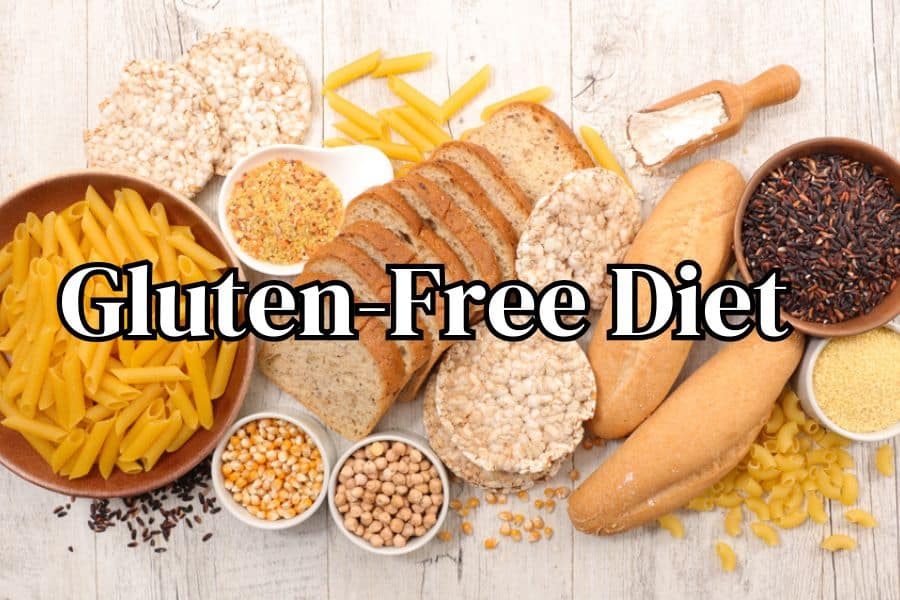
Understanding Gluten and its Effects
Impact of Gluten on Health
Gluten is a protein you find in goodies like wheat, rye, and barley. For most folks, gluten is just another part of their meal, providing a bit of protein, some soluble fiber, and those tiny nutrients we all need to function. But, for some, gluten’s not the good guy. Anyone dealing with celiac disease or gluten sensitivity will tell you it can wreak some havoc.
Thinking of jumping on the gluten-free diet bandwagon? It’s a game changer for those sensitive to gluten. While kicking gluten out isn’t necessary for everyone, for those with a gluten issue, it can make a world of difference.
| Fuel for Your Body | What It Does for You |
|---|---|
| Protein | Helps your muscles grow and bounce back |
| Soluble Fiber | Keeps your digestion humming along nicely |
| Vitamins and Minerals | Boosts your overall health mojo |
Gluten Sensitivity and Symptoms
Say hello to non-celiac gluten sensitivity (NCGS). It’s sneaky because it doesn’t wreak the same havoc in your intestines as celiac disease, but boy, it sure can make you feel crummy after eating gluten (Mayo Clinic). Might look like this:
- Belly bloats up like a balloon
- Gotta run to the bathroom more times than you’d like
- Feel like you need a nap or two
- Head’s pounding
- Joints feel like they’re rebelling
- Mood’s off, like way off
Both of these baddies, celiac and gluten sensitivity, might mess with your head, too. If gluten seems to zap your energy and messes with your mood more than a Monday morning, there’s a chance it’s been flying under the radar (Cureus).
| Troublemakers | What You Feel | Inside Stuff Going Down |
|---|---|---|
| Celiac Disease | Stomach’s screaming, anemia, dropping pounds | Body’s still angry at the small intestine |
| NCGS | Belly’s annoyed, feeling sluggish, mood swings | No real damage but plenty of uncomfortable feels |
Think gluten’s your problem? Chat with a doc. They’ll help you figure out if you should toss gluten out the window and what that might mean for you. If you’re ready to cut ties with gluten, check out our guide on how to start a gluten-free diet.
For those wanting a health boost or to find some calm in life’s chaos, looking at how gluten might be affecting you isn’t a bad idea. Learn more about the benefits of a gluten-free diet and see if it’s the right move for you.
Celiac Disease and Anxiety
Dealing with celiac disease can be a real headache, and it’s equally important to be aware of how it messes with your mental peace, especially when it comes to anxiety.
Relationship Between Celiac Disease and Anxiety
So, here’s the deal. Celiac disease is your body’s way of not playing nice with gluten – it goes all Hulk on your small intestine. We usually think of it coming with stomach problems or feeling dog-tired, but the link with mental struggles is also grabbing attention.
Studies have dug into this and found that anxiety often tags along with celiac disease. A deep dive into research showed many folks with celiac also wrestle with anxiety. And surprise, surprise, women seem to have tougher luck in the anxiety department, even when they’re doing the gluten-free thing.
Management of Anxiety in Celiac Disease
Tackling anxiety when you have celiac disease isn’t a one-size-fits-all deal. Yeah, ditching gluten is step one, but it’s like scratching the surface.
Gluten-Free Diet and Anxiety
Eating gluten-free might ratchet down your anxiety if you deal with celiac. A way-back study from 2001 found that sticking to it for a year chilled out anxiety for many. But fast forward to 2020, a bigger study threw a spanner in the works and said nah, it didn’t help with anxiety for others.
| Study | Participants | Diet Length | Anxiety Outcome |
|---|---|---|---|
| 2001 | 35 | 1 Year | Less Anxious |
| 2020 | 283 | Mixed | No Big Change |
Nutritional Support
Going gluten-free sounds easy, but make sure your diet isn’t missing crucial stuff. Gluten-free foods might skip on the goody-good nutrients, so a chat with a nutrition expert can keep your diet on point. More tips are just a click away.
Psychological Support
Chatting with a counselor or therapist is legit if anxiety from celiac is getting to you. Things like cognitive-behavioral therapy and some chill mindfulness practices have shown good results. And hey, don’t rule out meds – your doctor can shed some light on that.
Lifestyle Modifications
Throwing some exercise into the mix, ensuring your beauty sleep, and mastering stress-busting arts can do wonders too. Dig deeper into the world of a gluten-free diet for anxiety or swipe some mental well-being tips.
Figuring out how to tackle anxiety with celiac gives you a ticket to a better quality of life. By juggling your food habits, keeping nutrition in check, leaning on psychological help, and tweaking your lifestyle, you can get a handle on celiac and stay sane doing it.
Gluten-Free Diet for Anxiety
Thinking about a gluten-free diet to help handle anxiety might sound a bit left field, but some new research is giving that idea a good look. Here’s what you oughta know about the gluten-anxiety link.
Research on Gluten-Free Diet and Anxiety
A bunch of studies poked around to see how gluten-free eating shakes up anxiety, especially in folks wrestling with celiac disease and gluten sensitivity. Way back in 2001, a study discovered that sticking to a gluten-free plan for a year dialed down anxiety for 35 celiac peeps (Healthline).
In another tiny research crew of 20, all dealing with celiac issues, stressed high before trying gluten-free went noticeably chiller after 12 months on the diet (Healthline).
Yet, a bigger fish in the study pond from 2020 with 283 celiac participants didn’t show a big anxiety change after ditching gluten (Healthline). These mixed bags of results tell us that while going gluten-free might ease some folks’ anxiety, it’s not a magic fix for everyone.
Effectiveness of Gluten-Free Diet
When weighing whether gluten-free eats are your anxiety’s knight in shining armor, results can swing. If gluten’s not your belly’s buddy, going zero gluten might chill your anxious vibes and even lift your spirits a bit (Healthline). The peace might come from cutting inflammation and overall feeling better, which could cheer up your mental space.
But hey, don’t go gluten ghosting without doing the homework. Just saying goodbye to gluten doesn’t promise anxiety will wave buh-bye too, as all these mixed results show.
| Study | Participants | Duration | Outcome |
|---|---|---|---|
| Study 1 | 35 (with celiac disease) | 1 year | Less anxiety |
| Study 2 | 20 (with celiac disease) | 1 year | Less anxiety |
| Study 3 | 283 (with celiac disease) | – | No big change |
Before jumping on the gluten-free bandwagon to tackle anxiety, chatting with a healthcare whisperer is a good shout. They can help whip up a gluten-free diet meal plan that fits you just right and keep tabs on how it’s all going.
If gluten-free is new turf for you, our pieces on gluten free diet for beginners and how to start a gluten free diet might be just what you need. Knowing the benefits of gluten free diet and skating around its traps could play a big part in easing your anxiety.
By chatting with your doc and maybe bringing a gluten-free diet and weight loss into your day-to-day, you’re inching closer to a better headspace and healthier you.
Go Gluten-Free to Trim Down
When you hop on the gluten-free train, you might find yourself dropping a few pounds simply by changing what you eat. Many people see that ditching gluten leads to better food choices, making it easier to lose weight with the side benefit of a healthier lifestyle.
How Cutting Gluten Affects Your Waistline
Going gluten-free could help with weight loss mostly because you cut out junk food and refined carbs that pack gluten (Johns Hopkins Medicine). Here’s how skipping gluten might affect your weight:
| What You Do | How It Helps |
|---|---|
| Skip Junk Food | Less junk means fewer calories |
| Ditch Refined Carbs | Lowers sugar spikes, keeps pounds off |
| Eat More Whole Foods | Boosts digestion, slashes calorie intake |
Going gluten-free might push you toward more whole foods like fruits, veggies, and lean meats. Still, cutting gluten isn’t your magic wand for losing weight. Watch your portions, stay active, and pick nutrient-packed foods.
Nutritional Bits of a Gluten-Free Life
A gluten-free diet can help manage weight, but watch out for its nutritional twists. Cutting gluten can mean missing out on good stuff like fiber and other nifty nutrients from grains (Johns Hopkins Medicine). Peep these nutritional bits:
- Fiber Could Go MIA: Whole grains load you up on fiber. Going gluten-free can cut this down, messing with your digestion and health.
- Vitamins and Minerals Might Get Skimped: Gluten-y foods often have key vitamins and minerals. Swapping them for gluten-free options doesn’t always fill the gap.
- Pricey Choices: Prepped gluten-free foods often cost more and could stretch your budget.
| Nutrient | Gluten-Free Picks |
|---|---|
| Fiber | Munch on fruits, veggies, beans |
| B Vitamins | Go for leafy greens, beans, meats |
| Iron | Try meats, beans, leafy greens |
| Calcium | Stick with dairy, fortified gluten-free cereals |
To keep a balanced gluten-free diet, fill your plate with naturally gluten-free foods like fresh produce, dairy, and lean meats. Stay away from processed gluten-free snacks, as they’re often loaded with unhealthy bits that can mess with your weight and sugar levels.
Want more meal ideas? Drop by our gluten-free meal plan and gluten-free recipes. Remember, it’s smart to chat with a healthcare pro before making big diet changes to ensure you’re getting all the nutrients you need.
By getting the hang of these nutritional bits, you can make the most of a gluten-free diet for weight loss and keep your health in check. Dig into more perks of going gluten-free on our blog here.
Gluten-Free Diet Challenges
Eating gluten-free can have its perks, but it can also throw a few curveballs your way. Here’s what you might find tricky when saying adios to gluten.
Nutrient Deficiency Risks
Kicking gluten to the curb may mean you’re missing out on some important stuff. Foods with gluten like whole grains are like treasure troves of fiber, iron, and B vitamins. Say goodbye to these without replacing them, and you might end up with a few empty spots on your nutrient shelf.
| Nutrient | Common Sources | Risk When Avoiding Gluten |
|---|---|---|
| Fiber | Whole grains, bran | Possible tummy troubles with less fiber |
| Iron | Fortified cereals, whole grains | Watch out for low iron levels and anemia |
| B Vitamins | Whole grains, wheat | Falling short, if you don’t swap wisely |
But hey, it ain’t all gloom and doom! Fill that plate with gluten-free picks like quinoa, brown rice, and beans to keep your diet on point. Need more info? Take a peek at gluten free diet and fiber and gluten free diet meal plan.
Cost and Availability of Gluten-Free Foods
Here’s the kicker: gluten-free stuff can hit your wallet hard. Special gluten-free goodies often cost more than their gluten-packed pals, turning your grocery bill into a mini heart attack (Mayo Clinic).
| Food Category | Gluten-Free Cost | Gluten-Containing Cost |
|---|---|---|
| Bread | $6.00 per loaf | $2.50 per loaf |
| Pasta | $4.00 per box | $1.50 per box |
| Flour | $8.00 per lb | $2.00 per lb |
Figures courtesy Mayo Clinic
Finding gluten-free grub can also be like finding a needle in a haystack, especially if your area’s not stocked up on these goodies. Check out our tips on tackling this issue in how to start a gluten free diet and gluten free diet recipes.
To juggle these hurdles, a bit of planning and some smart eating can do wonders. A chat with a healthcare pro or a diet guru can also keep your gluten-free lifestyle both healthy and affordable. For more wins in the gluten-free world, swing by benefits of gluten free diet.
Gluten-Free Diet Considerations
Thinking about cutting out gluten? There’s more to it than meets the eye. Let’s unpack what this means for your health and daily munching.
Consultation and Dietary Planning
Before you ditch the gluten, have a chat with your doctor—they might suggest a simple blood test to rule out celiac disease or wheat allergies. And don’t forget the dietitian! They can help keep your meals both gluten-free and nutrient-packed. No one wants to swap bread just to end up missing essential vitamins.
A sit-down with your healthcare crew can assist with:
- Getting the right diagnosis
- Sidestepping needless food bans
- Crafting tasty yet balanced meals
- Dodging vitamin and mineral gaps
Thinking about starting? Check out our beginner’s guide to a gluten-free diet.
Potential Benefits and Risks
Going gluten-free has perks, especially for folks with celiac or sensitivity. But hey, it’s not all rainbows. Let’s weigh the pros and cons.
Potential Benefits
- Less Stress: Some folks say their anxiety takes a backseat on a gluten-free ride. Here’s how it might help.
- Happier Belly: If gluten’s been a gut-wrecker, ditching it might smooth out those tummy troubles like bloating.
- Boosted Energy: Some people feel less sluggish without gluten – though science is still on the fence about this (Mayo Clinic).
Potential Risks
- Nutrient Gaps: Skipping gluten might mean missing out on the good stuff in whole grains. Make sure to stock up on gluten-free goodies like quinoa and oats (yep, only the certified ones!).
- Watch the Processed Stuff: Those gluten-free cookies? They’re not a free pass. Many are loaded with junk that can mess with your weight and blood sugar. Stick to real foods—fruits, veggies, lean meats (Johns Hopkins Medicine).
- Price Tag and Shelf-hunting: Gluten-free stuff can be pricier and play hide-and-seek at the store.
| Good Stuff | Watch Out For |
|---|---|
| Bye-bye Anxiety | Nutrient Gaps |
| Tummy Relief | Wallet Drain |
| Energy Boost | Junk-laden Processed Foods |
Balancing these ups and downs is key. Changing diets involves careful tweaks and constant checking in with your body. Get the doc’s green light and look beyond your plate to decide what’s best for you.
For more tips, swing by our posts on gluten-free perks and check out yummy gluten-free recipes that’ll make your eating adventure a bit smoother.