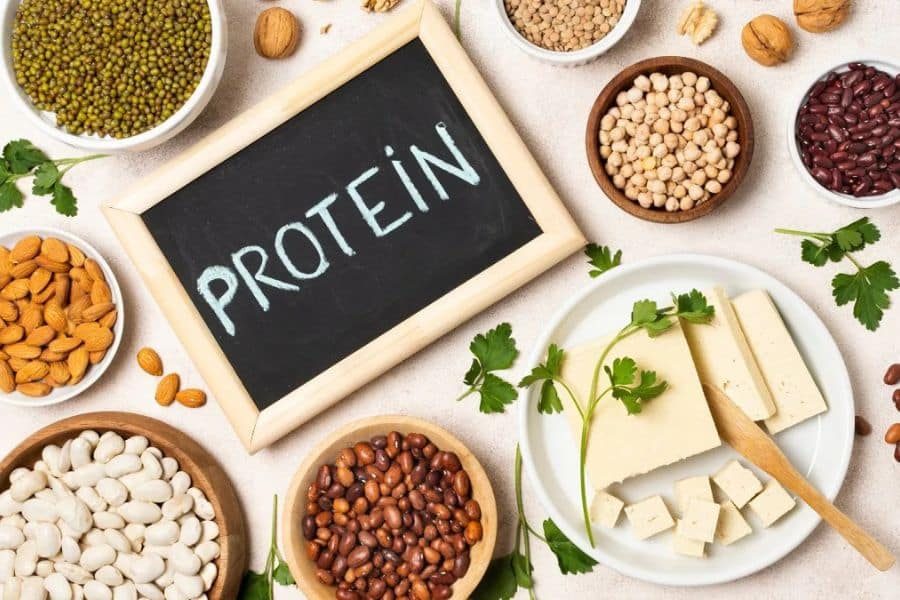
Understanding High-Protein Diets 🎯
So you’ve heard about high-protein diets, right? They’re all the rage for some pretty good reasons. But like anything from skydiving to sushi, there’s some good, and a tiny bit of not-so-good that you should know.
Benefits of a High-Protein Diet 🌟
Why all the buzz about packing your diet with protein? Let’s break it down like a mix tape from the ’90s.
Keeps You Full and Helps with Weight
Picture this: a sandwich that leaves you satisfied longer than your favorite movie series. High-protein goodies do that! They keep hunger at bay, making it easier for your belt and brain to stay on track with calorie goals. Less snacking means more of your pants fitting just right (thank you, Mayo Clinic for the science-y stuff).
Muscle Power to the People
If you’ve ever flexed in front of the mirror post-gym, you know muscles are a big deal. Protein helps rebuild those biceps and turn noodles into steel cables. Whether you’re gym-ratting or just trying to keep fit, loading up with protein-rich meals can help keep your muscles happy and growing.
Taming the Blood Sugar Beast
Protein’s got some sweet tricks up its sleeve. It slows down how fast sugars from carbs hit your bloodstream, which is a plus if you’re watching your blood sugar spikes. It’s like having a steady friend during a rollercoaster ride—less scream, more woohoo!
Risks of Prolonged High-Protein Diets ⚠️
Alright, now let’s chat about the bumps on Protein Highway. Those benefits come with a little signpost saying, “Not too much, not too long.”
Kidneys Working Overtime
Think of the kidneys as your body’s janitors. Too much protein, and they’re donning their overalls for some heavy lifting. If your kidneys are already doing double duty, this might be like asking them to work on weekends. So, keep an eye on them, especially with any health quirks.
Missing Nutrients and Fiber Fiasco
When protein hogs your plate, sometimes other important stuff misses out on the party. Especially things like carbs, which bring essential fiber—your gut’s best buddy. A mix-everything-up-diet makes sure you’re not leaving any nutrients out in the cold.
Stuffing Too Much Protein Can Backfire
Too much of a good thing can be bad, right? If you’re chowing down on protein like there’s a world shortage, your body might start storing the extra stuff as fat, and we bet you’d rather not turn into storage space for extra burger patties. 🥩 For more secrets on balancing protein and weight, peek at our weight loss guide.
| Risk | Quick Look |
|---|---|
| Kidneys on the Clock | Lots of protein can keep kidneys working in overtime. 👷♂️ |
| Balance Bust | Protein hogging your plate means missing out on carby fibers. 🌽 |
| Fat Stash | Extra protein could stow away as fat. Uh-oh! |
At the end of the day, diets need a bit of everything—protein, fiber, carbs, the works. You can embrace the protein lifestyle without going overboard by checking out our tips on how to kick off your protein-filled adventure the smart way. Cheers to a balanced and tasty life! 🎉
High-Protein Diet and Diabetes
Impact of High-Protein Diet on Blood Glucose
You’ve probably heard the buzz about high-protein diets, especially if you’re dealing with diabetes. Now, here’s the nitty-gritty: protein can play a star role in keeping your blood sugar in check. Unlike carbs that often create a rollercoaster for your blood sugar, protein is more of a smooth ride. It eases in, slowing down those sugar spikes by nudging carbs to take it slow (DarioHealth).
Some smarty-pants researchers discovered that munching on a high-protein diet brought a 40% drop in the overall glucose response over 24 hours in people with type 2 diabetes (PubMed). And if you’re keeping tabs on glycated hemoglobin (that’s HB1AC for short), you’ll be happy to hear it dropped noticeably more after five weeks of sticking to the protein game than a regular old diet.
But watch out! If you’re dealing with diabetic nephropathy, you might want to ease up. Too much of that protein goodness can stress out your kidneys. A good rule of thumb? Stick to about 1 gram of protein (or less) per kilogram of body weight (Verywell Health). Check in with your health guru to get the lowdown on what’s right for you.
| Impact on Blood Sugar | Effect |
|---|---|
| 24-Hour Glucose Response | Drops by 40% |
| Glycated Hemoglobin | Dips by 0.8% on a protein-heavy diet |
| Glucose Control | Smoother post-meal glucose |
Protein Sources to Consider
Picking your protein sources like a pro can make all the difference while juggling diabetes. Here’s your cheat sheet to keep things easy-peasy:
- Lean Meats: Think chicken, turkey, and lean cuts of beef and pork. They offer the benefits of a high-protein diet without those unwanted fats.
- Fish: Dive into salmon, mackerel, or sardines; they’re loaded with omega-3 fats and are good for your ticker.
- Eggs: These babies are affordable and ready to make any meal a protein powerhouse.
- Dairy: Opt for low-fat Greek yogurt, cottage cheese, and milk for a protein punch without the added fat.
- Legumes: Beans, lentils, and chickpeas pack plant protein and fiber that fights blood sugar woes.
- Nuts and Seeds: Grab a handful of almonds, chia seeds, or flaxseeds for protein with a side of healthy fat.
- Plant-Based Proteins: Tofu, tempeh, and edamame make fab vegan protein choices (vegetarian high-protein diet).
| Protein Source | Benefits |
|---|---|
| Lean Meats | High in protein, low fat |
| Fish | Full of omega-3 goodies |
| Eggs | Nutritious and versatile |
| Dairy | Protein-rich, low-fat option |
| Legumes | Fiber-loaded, plant-based |
| Nuts and Seeds | A protein and fat combo |
| Plant-Based Proteins | Vegan-approved |
Mix ’em up! These protein picks not only give you a nutrient boost but help manage your diabetes like a champ. For tasty ways to sneak these into your meals, peek at high-protein diet meal ideas.
Protein Intake Recommendations
Protein Intake Guidelines for Diabetes
Stickin’ to a solid protein game plan can really make a dif if you’re juggling diabetes. Experts like those from the American Diabetes Association suggest a daily protein intake of 0.8–1.0 grams per kilogram of your weight. So, a bit of math and voila—you’re supporting blood sugar balance without bossing those kidneys around too much.
| Weight (lbs) | Protein Goal (g) |
|---|---|
| 120 lbs | 44 – 54 |
| 150 lbs | 54 – 68 |
| 180 lbs | 65 – 81 |
| 200 lbs | 72 – 90 |
Now, if your kidneys are having a rough day and you’re dealing with diabetic nephropathy or the early bits of chronic kidney disease, you gotta ease up on the protein. Have a chat with your doc before you go all in on that steak if other health stuff is in the mix.
Wanna sink your teeth into more about high-protein eating? Swing by our high-protein diet perks corner for the lowdown.
Importance of Balanced Protein Intake
Keeping your protein diet in check is like sticking to a budget—super crucial, especially with diabetes tagging along. Protein powers your muscles but going overboard, especially with animal stuff, can bug your kidneys and throw your health out of whack. The National Kidney Foundation isn’t shy about advising those with diabetes and CKD to ease back on packed-protein diets.
| Protein Goodies | Protein Haul per Bite |
|---|---|
| Chicken Breast (3 oz) | 26g |
| Tofu (3.5 oz) | 8g |
| Greek Yogurt (1 cup) | 10g |
| Lentils (1 cup cooked) | 18g |
Plant protein is where it’s at for diabetes care. Studies back up that plants are pals when it comes to keeping blood glucose and your overall health in check. Poke around our vegetarian high-protein guide for recipe inspiration and the scoop on plant-powered benefits.
Mixing up your protein sources makes for some tasty and stress-free meals. Throw in some veggies, whole grains, and good-for-you fats to keep your health on its toes. For a peek at high-protein meal options, head over to our high-protein diet meal ideas page.
Sticking to these protein pointers helps you wrangle diabetes and still relish those high-protein perks. Always give any big diet swaps the okay with your healthcare sidekick to fit the advice to your health needs and personal story.
Studies on Protein and Diabetes
Research Findings on Total Protein Intake
So, you wanna know if you should embrace protein like it’s the key to health or keep it at arm’s length pondering its intentions, huh? Well, scientists can’t stop debating over whether scarfing down loads of protein is like inviting type 2 diabetes over for dinner. Some eggheads found that more protein could bump up diabetes risk while chugging plant protein or yogurt seems to give the opposite effect. Go on, plant a protein tree or get cozy with a yogurt cup, and T2DM might just give you a pass.
| Protein Source | Relationship with T2DM |
|---|---|
| Total Protein | Bigger Risk |
| Plant Protein | Lower Risk, Whoo! |
| Yogurt | Cheers to Health! |
Now, what about those late-night cheeseburger cravings? The stuff legends and insulin friendly dreams are made of! High-protein eaters sometimes see better insulin sensitivity and less havoc after eating – but not always. The real test kitchen – randomized controlled trials – says the jury’s still out on if high-protein eating beats other food games for diabetes wrangling.
Oh, and if you’re living that diabetes/CKD combo life, don’t go all gladiator with protein (more than 20% of your daily calories kinda deal); protect the kidneys, they gotta last! Stick to lean poultry, fish, or veggie goodness (Slap some sense into Google Scholar).
Effect of Animal Protein on Type 2 Diabetes
Here’s the meat and potatoes of it: chowing down on animal protein could actually spell trouble for your blood sugar sweet spot, especially if red meat’s your go-to. If you throw down with the red meat crowd, you’re looking at some pretty dicey odds for T2DM, around a 3x risk increase. Meanwhile, those who hang with the refined grains gang don’t seem too worried about animal protein messing with their metabolic groove.
| Protein Source | Odds Ratio for T2DM |
|---|---|
| Total Protein (Red Meat Group) | 3.12 (Highly risky business) |
| Animal Protein (Red Meat Group) | 3.48 (Danger, danger!) |
The takeaway? Not all proteins are created equal when fighting the diabetes dragon. Binge on plant proteins and you’ll likely stumble onto lower diabetes risk terrain. Stick to red meat and that diabetes risk needle starts to inch up. Wanna dig deeper? Swing by the treasure chest of knowledge on serious high-protein chow and why protein diets aren’t your enemy.
Dietary Patterns and Protein Intake
How does what you put on your plate influence Type 2 Diabetes Mellitus (T2DM)? Well, let’s chat about it, especially when you’re sneaking a little extra protein into your meals. The focus here is how different protein sources impact those T2DM odds. Plus, we’re giving plant protein a high five for its part in keeping diabetes at bay.
Association between Protein Intake and T2DM Risk
When it comes to the proteins you’re eating, different habits have unique impacts on T2DM risk. A fascinating study broke down protein sources into three squads: “legumes and seafood,” “red meat,” and “refined grains.” Each squad had its own story to tell about diabetes risk (Diabetology & Metabolic Syndrome).
| Dietary Pattern | Total Protein | Odds Ratio for T2DM | Animal Protein | Odds Ratio for T2DM |
|---|---|---|---|---|
| Red Meat | High | 3.12 (1.65–5.91) | High | 3.48 (1.87–6.60) |
| Refined Grains | High | N/A | High | Reversed |
| Legumes and Seafood | High | Negatively Associated | N/A | N/A |
Look at that! The “red meat” fans showed high connections to T2DM, scoring a 3.12 and 3.48 in the odds department. But, for the pals in the “refined grains” crew, things took a U-turn (Diabetology & Metabolic Syndrome).
Role of Plant Protein in Diabetes Prevention
Chowing down on more plant protein can be a game-changer in skipping out on diabetes. More plants mean more wins against T2DM, especially if you hang with the “legumes and seafood” crowd. This posse munches on legumes, nuts, and veggies, pushing their risk further down (Diabetology & Metabolic Syndrome).
| Dietary Pattern | Plant Protein Intake | T2DM Risk |
|---|---|---|
| Legumes and Seafood | High | Inversely Associated |
| Red Meat | Low | Positively Associated |
| Refined Grains | Varied | Varied |
It’s pretty clear, plants for the win! Legumes, nuts, and seeds rock the plant protein world, likely helping lower your T2DM chances. Want the scoop on high-protein foods? Check out our piece on the best high-protein foods.
By thinking of these eating styles when boosting your protein intake, you’re setting yourself up for some tasty benefits. Understanding how each protein source affects T2DM can guide you to smarter choices. Hungry for meal ideas that fit the high-protein vibe? Cruise over to our page on high-protein diet meal ideas to get cooking.
Best Practices for Protein Consumption
Optimal Protein Consumption for Individuals with Diabetes
Living with diabetes? No sweat! Eating the right proteins and the right amount can keep those blood glucose levels stable, keep your muscles strong and your overall health in tip-top shape. So let’s check out some solid tips for making the most out of your protein intake:
| Protein Source | Serving Size | Protein Content (g) |
|---|---|---|
| Chicken Breast | 3 oz (85g) | 26 |
| Black Beans | 1 cup (172g) | 15 |
| Greek Yogurt | 6 oz (170g) | 15 |
| Tofu | ½ cup (126g) | 10 |
| Almonds | ¼ cup (28g) | 7 |
- Stick to lean proteins: Pick meats like chicken, turkey, fish, and veggie-friendly proteins like beans, lentils, and tofu. They’re low in those unhealthy fats and loaded with good-for-you nutrients.
- Watch those portions: Aim for 0.8 to 1.0 grams of protein per kilo of body weight each day. Depending on how active you are and your health needs, tweak it as necessary.
- Protein all day, every day: Spread your protein intake throughout the day to help keep that blood sugar in check.
Want more ideas for meals packed with protein? Pop over to our page on high-protein diet meal ideas.
Dietary Patterns and Protein Intake Recommendations
The way you eat can dramatically affect how well a high-protein diet will help manage diabetes. Studies show that whether you’re chowing down on animal proteins or plant-based ones can make a big difference.
Plant Protein and Diabetes Prevention
Eating more plant-based proteins may help ward off type 2 diabetes (Diabetology & Metabolic Syndrome). Filling up on beans, nuts, seeds, and veggies might just do the trick. Take, for instance, the “legumes and seafood” eating style – it’s high on plant proteins and linked to lower diabetes risk.
| Dietary Pattern | Protein Source | T2DM Risk Association |
|---|---|---|
| Legumes and Seafood | Beans, Lentils, Fish | Lower |
| Red Meat | Beef, Pork | Higher |
| Refined Grains | Processed Grains | Mixed |
Animal Protein and Diabetes Risk
Eating a lot of animal protein, especially red meat, could up your chances of getting type 2 diabetes (Diabetology & Metabolic Syndrome). But with the “refined grains” style, results are all over the map, shyly hinting it’s not just about the meat – your whole diet counts.
- Mix it up: For top health perks, balance your intake of plant and lean animal proteins.
- Cut back on red meat: Slash the red and processed meats from your diet, subs them with fish, poultry, or plant-based goodies.
Craving more info on high-protein diets? Drop by our piece on high-protein diet and cholesterol.
By weaving these practices into your daily eating routine and lining up your protein consumption with a healthy eating style, you can keep diabetes in check and boost your health. Need more tips to get started? Our how to start a high-protein diet guide is ready to help!