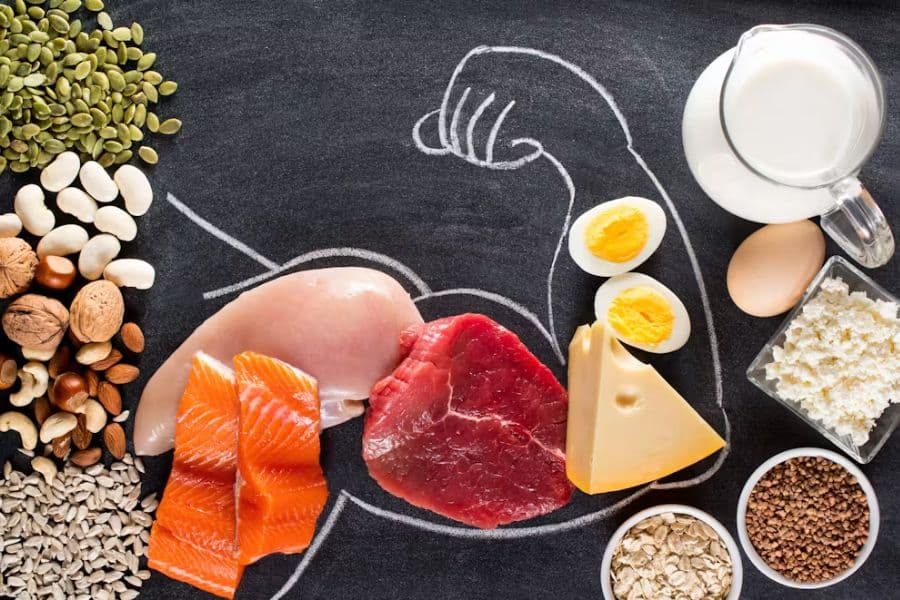
Understanding High-Protein Diets
Role of High-Protein Diets
Ever feel like your workouts could use a bit of a boost? That’s where a high-protein diet steps in! This isn’t just about beefing up muscles—protein is a superstar when it comes to getting the most from your workout, especially if you’re always movin’ and shakin’ or if you’re an athlete. Think of it like giving your muscles a spa day for recovery and growth. Protein repairs and maintains your muscles, supporting muscle growth, weight loss, and quicker bouncing back from workouts or injuries.
We’re talking more protein than your average Joe, with amino acids—the tiny powerhouses—working behind the scenes to build your muscles after a workout. Grab some dairy, fish, meat, eggs, or soy for quality protein from whole foods. And if you’re rushing for time, protein supplements like whey or pea protein give you that quick pickup for post-workout recovery.
Protein Intake Recommendations
If you’re on the go like the Energizer Bunny, you’ll want between 1.2 to 1.7 grams of protein for every kilo you weigh every day. Math not your strong suit? No worries—turn those pounds into kilos by dividing by 2.2. Check out this easy table to check your protein needs:
| Body Weight (lbs) | Body Weight (kg) | Recommended Protein Intake (g) |
|---|---|---|
| 120 | 54.5 | 65.4 – 92.7 |
| 150 | 68.2 | 81.8 – 115.9 |
| 180 | 81.8 | 98.2 – 139.1 |
| 200 | 90.9 | 109.1 – 154.5 |
Protein’s not just a one-trick pony—it’s about keeping muscles in tip-top shape by preventing breakdown and helping them grow when you’re workin’ hard. For more protein-packed tips, check out high-protein diet for weight loss or high-protein diet plan for muscle gain.
Benefits Beyond Muscle Growth
Muscles aside, protein’s also got your back when it comes to keeping your weight in check by allowing you to feel full longer and kicking up your metabolism. Less munchin’, less worry! Dive deeper into our high-protein diet for weight management article.
This high-protein thing isn’t just a guys’ game. Ladies, athletes, and anyone keen on upping their health can reap the rewards. Check out high-protein diet benefits and high-protein diet for women for even more details.
With hearty proteins in your meals—be they from chow or supplements—you’re setting your body up for muscle success. Need meal ideas? We’ve got ’em, with high-protein diet meal ideas and best high-protein foods to kickstart your journey.
Bottom line: a high-protein diet’s your sidekick for spinning up workout performance by givin’ muscles what they need to fix and grow. It keeps weight in check and boosts health all around, being a go-to in your fitness playbook. For any help getting started, check out how to start a high-protein diet.
Protein Needs for Fitness Fans
Getting your groove on with workouts? Knowing how much protein you need is key to getting stronger and feeling good. Here’s all you need to get your protein game on and why grabbing some after exercise can be a game-changer.
How Much Protein You Need
Need those muscles to grow and repair? Gotta have your protein right. People who exercise should aim for 1.2 to 2 grams of protein per kilo of body weight each day. This gives your body what it needs to fix and build muscle.
Quick look at how much protein you should chow down based on your weight:
| You Weigh (lbs) | You Weigh (kg) | Daily Protein (g) |
|---|---|---|
| 120 | 54 | 65 – 108 |
| 150 | 68 | 82 – 136 |
| 180 | 82 | 98 – 163 |
| 210 | 95 | 114 – 190 |
Source: NCBI
For best results, space out your protein meals all day. Aim for around 30 grams each meal and snack on protein goodies between meals. It’s like giving your muscles a hug and keeping you full and peppy.
Protein After a Workout
Think of eating protein after exercise as giving your muscles a nice warm blanket. Snacking on protein within half an hour after working out is great for refilling your energy and boosting muscle rebuilding (Clif Bar). A mix of protein and carbs is perfect for this.
When you eat protein can make a world of difference, too. Try to snack right after, then between 1-5 hours after, and again 5-72 hours later (another NCBI gem).
Here’s how to do it:
| Time After Workout | Protein (g/kg BW) |
|---|---|
| Right After (0-30 mins) | 0.25 – 0.40 |
| Next 1-5 Hours | 0.25 – 0.40 |
| Next 5-72 Hours | 0.25 – 0.40 |
Source: NCBI
Sticking to these protein tips and getting your post-exercise nosh on can really ramp up your workout results and bounce back time. Wanna dive into more protein-packed meal ideas? Check out our goodies on high-protein diet meal ideas and the ultimate high-protein foods.
Maximizing Recovery with Protein
Want to make the most of your sweat sessions and spring back even faster? Protein’s your best buddy here. Getting your head around how a high-protein diet fits into recovery can supercharge your workout gains.
Protein and Recovery Ratio
Alright, let’s break it down. To really pump up recovery, you gotta think about your protein:carb ratio. The sweet spot? A 3:1 or 4:1 blend of carbs and protein does wonders for recharging your energy and fixing up those muscles. This ratio tackles both energy refill and providing the building blocks for muscle repair and growth.
| Nutrient | Ideal Ratio | Example |
|---|---|---|
| Carbohydrates | 3-4 parts | Banana or oatmeal |
| Protein | 1 part | Whey protein or chicken breast |
Fitness buffs, you should aim for around 10-20% of your day’s calories to come from protein. Particularly for athletes, we’re talking about 1.2-2g of protein per kilo of body weight daily. That’s roughly about 50-100g from a 2,000-calorie meal plan.
Importance of Protein Timing
Now onto timing—just as important as how much protein you chow down. To go full throttle on recovery, snag some protein within 30 minutes of winding down your workout (Clif Bar). This trick fills up energy stores while nailing muscle repair.
| Activity | Protein Timing | Purpose |
|---|---|---|
| Post-Workout | Within 30 minutes | Replenish energy and repair muscle |
| Daily Intake | Spread throughout the day | Keep recovery smooth and muscles growing |
For post-gym munchies, opt for snacks with a cool protein-carb balance. Think a whey protein shake with a banana or some Greek yogurt sprinkled with berries.
Bottom line: boosting recovery with a high-protein diet is all about nailing both the ratio and timing. Slide these tactics into your game plan, and you’ll be all set for your next workout showdown. Hop over to our articles for more on the top high-protein foods and meal prep tips for a high-protein diet.
Sources of High-Quality Proteins
When you’re pumping iron and dreaming of those muscle gains, dialing in the right protein sources can make all the difference. The age-old debate of whole foods versus protein shakes is as real as leg day. Get your facts straight, and you’re sure to see the magic happen.
Whole Foods vs. Supplements
Whether you’re chowin’ down on a steak or mixing that protein shake, both pack a punch for muscle growth and recovery. Whole foods, the OG of nutrition, bring a lot more to the table. Dairy dishes up calcium and good ol’ vitamin D, while a juicy steak is your best buddy for iron and vitamin B.
Whole foods rock and roll with:
- Milk, yogurt, cheese
- Fish like salmon and tuna
- Meaty goodness like chicken and beef
- Eggs (the breakfast MVP)
- Soy wonders like tofu and edamame
Supplements strut with:
- Whey protein (straight from cows)
- Plant-goodness like pea and soy protein
If you’re scratching your head, wondering what mix to pick, mosey on over to our detailed guide on high-protein diet meal plans for weight loss.
Effective Protein Sources
To make the most out of your sweat sessions, hone in on protein sources loaded with essential amino acids. They are the powerhouse you need for muscle growth and repair, especially those BCAAs like Leucine that turbo-charge your gains.
Check out these protein-packed champs:
| Protein Source | Protein (g) per 100g | The Bonus Stuff |
|---|---|---|
| Chicken Breast | 31 | B vitamins, Selenium |
| Salmon | 25 | Omega-3, Vitamin D |
| Greek Yogurt | 10 | Calcium, Probiotics |
| Eggs | 13 | Vitamins A, D, B12, Selenium |
| Tofu | 8 | Iron, Calcium |
Plant-eaters, fear not! You can still find complete proteins in delights like quinoa and chia seeds (Verywell Fit).
Get these tasty protein sources into your meals to hit your daily protein goals and score some extra nutritional goodies. For more deliciousness, peek at our guide on best high-protein foods and high-protein diet meal ideas.
Juggling both whole foods and protein shakes can be your ticket to nailing that high-protein lifestyle while keepin’ your workouts and health in check. If you need more deets on how to make protein your best friend, check out high-protein diet benefits.
Benefits of Protein for Exercise
Eating enough protein can really pump up the results you get from your workout. Let’s see how adding protein to your diet can help your muscles bounce back, grow, and get you performing at your peak.
Muscle Recovery and Growth
After a good sweat session, grabbing some protein is key to helping your muscles heal and grow. Eating about 0.2 to 0.5 grams of protein for every kilo you weigh can kick-start muscle repair. In plain numbers, that’s about 10–30 grams, depending on your weight and how hard you’re pushing it during workouts.
Here’s why a high-protein diet is a game-changer for your muscles:
- Muscle Repair: Protein is like the handyman for your muscles, fixing and building up those tiny tears from working out.
- Reduced Injury Risk: More protein can help keep your muscles strong, lowering the chance of injuries when you’re out there giving it your all (Runner’s World).
| Weight (kg) | Recommended Protein (g) |
|---|---|
| 50 | 10 – 25 |
| 70 | 14 – 35 |
| 90 | 18 – 45 |
To help your muscles recover like a pro, aim for 20 to 40 grams of protein within half an hour after you’ve finished working out.
Find out more about how to keep your muscles happy with our guide on high-protein diet and muscle recovery.
Protein for Improved Performance
Proteins are not just for muscle fix-up – they can also ramp up how you perform in your workouts. Eating more protein can help you:
- Gain Strength: Protein supports muscle growth, so your workouts get even more results.
- Increase Power: More protein means more power, letting you push harder and go further.
- Boost Endurance: Proteins play a part in making your heart and lungs work better, helping you last longer during activities.
Supplements like HMB (Beta-Hydroxy-Beta-Methylbutyrate) can speed up the recovery of muscle damage from exercise and also boost performance.
Be sure to add some top-notch protein sources like lean meats, dairy, and plant-based foods to your meals. For a list of high-protein foods to munch on, check out our guide on the best high-protein foods.
To make sure you’re getting the most out of your workouts, knowing when and how much protein to eat is key. Dive into our guide on high-protein diet benefits and make those protein gains count!
Optimizing Protein Intake
You wanna get the most outta your workouts, right? Well, knowing how protein shakes hands with your body’s processes like metabolism and weight control can totally give you the edge you’re looking for.
Protein and Metabolism
Okay, here’s the deal: Protein is like throwing gas on your metabolism fire. When you munch on protein, your body fires up and torches more calories during digestion than it would with fats or carbs. It’s called the thermic effect of food (TEF). Fancy term, simple idea.
Keeping up with a steady dose of protein all day helps your muscles stay put, which is a plus for a lively metabolism. Muscles, those energy-hogging parts of your body, are calorie-burning engines even when you’re binging Netflix. For the gym-goers out there, aim for around 1.4 – 2.0 g/kg/day of protein. It’ll fuel your fitness goals without messing up your kidneys or bones.
| Nutrient | Thermic Effect of Food (TEF) % |
|---|---|
| Protein | 20-30% |
| Carbohydrates | 5-10% |
| Fats | 0-3% |
Curious about how a high-protein diet affects your metabolism? Get the lowdown right here.
Protein for Weight Management
Want to keep your weight in check? Protein’s your buddy. It keeps you feeling full, fires up your metabolic rate, and helps to keep muscle when you’re slashing calories. This way, you keep torching those extra calories and inching closer to those weight goals.
Sarah Wardlaw, who knows a thing or two about keeping fit, suggests grabbing 30% of your daily calories from protein, another 30% from fat, and the rest from carbs (Mass General Brigham). This mix keeps your tank full and your metabolism chugging along smoothly.
Hungry for more on managing weight with protein? Tap into this.
| Diet Plan | Protein (% of daily calories) | Fat (% of daily calories) | Carbohydrates (% of daily calories) |
|---|---|---|---|
| Recommended Balance | 30% | 30% | 40% |
Diving into top-notch proteins can be a game-changer for your high-protein diet and workout; check out more high-protein foods and peek into meal plans to mix things up. By fine-tuning protein intake, you’re not only giving your workout performance a high-five but also turbocharging your metabolism and guiding your weight management journey with flair.