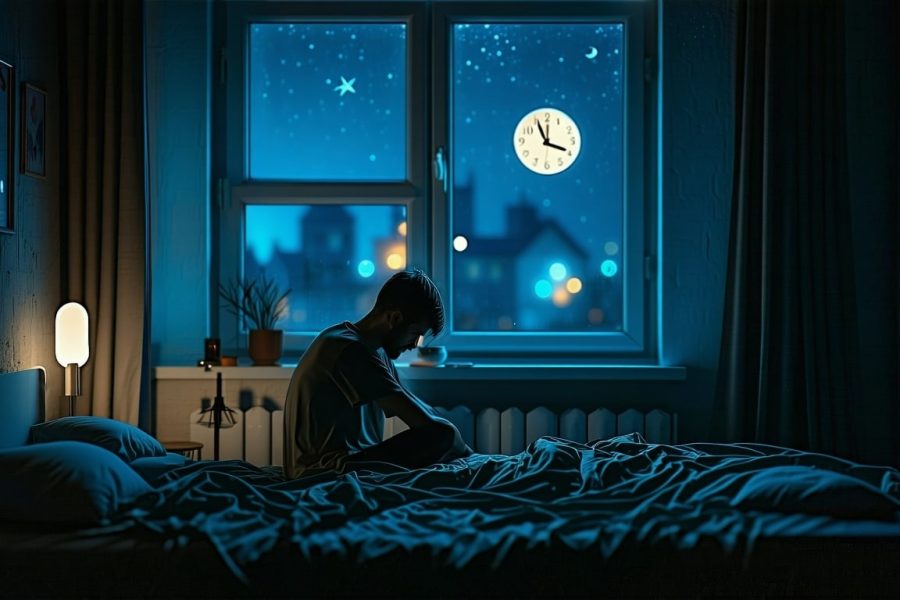
Understanding Insomnia and Depression
Relationship Between Insomnia and Depression
Hey, battling insomnia? You’re not on your own. Research kinda screams that not getting enough Z’s is linked to a higher risk of depression. Those tossing and turning at night might be facing a ten times bigger risk of developing the blues than those who snooze like a baby. About 75% of folks with depression say that dozing off or staying that way is a real struggle (Johns Hopkins Medicine).
It’s like a two-way street—one can set off the other. Back in 2016, a big analysis flagged that insomnia might lead you down the path to depression. Plus, young adults dealing with sleepless nights had a four times greater risk of sliding into new depressive episodes just in three years. Knowing this ping-pong effect is key for anyone tangled in sleep and mood issues.
| Life Problem | Higher Risk of the Other |
|---|---|
| Insomnia | 10x higher risk of depression |
| Depression | 75% can’t catch those zzzs |
Impact of Insomnia on Mental Health
Not catching enough shut-eye? It doesn’t just mess with your body; your mind can take a hit too. Poor sleep ramps up anxiety, stress, and those grumpy feels, sending you into a loop that’s tricky to get out of.
Loads of research point fingers at insomnia, marking it as a rock-solid risk factor for both new and returning major depressive disorder (MDD) in any age group. Fixing sleep problems often boosts mental health big time (News-Medical.net).
Here’s how insomnia can hit your mental game:
- It often opens the door to depression.
- Sleep glitches tie closely with struggling to keep emotions in check.
- Getting on top of insomnia can not only turn bedtime around but also give mental wellbeing a much-needed lift.
Taking control of insomnia’s your ticket to better emotional vibes and overall mental health. Curious about knocking out your sleep troubles? Have a peek at our tips on how to cure insomnia or explore natural remedies for insomnia. Remember, sorting out your sleep can be a big leap towards feeling emotionally better.
Symptom Identification
Getting a grip on insomnia and its tag-team with depression is a game-changer. They’re like fraternal twins—always found together, making it tricky to separate them.
Insomnia in Individuals with Depression
A whopping 90% of folks dealing with depression also wrestle with catching Zs. If you’re one of them, sleep can feel like a distant dream. A staggering 75% find themselves either tossing and turning to fall asleep or constantly waking up. This nasty duo makes insomnia a telltale sign of depression.
And here’s the kicker: insomnia doesn’t just mess with your shut-eye; it can double whammy your mood, leaving you down in the dumps. Up to half of those wrestling with insomnia also feel the shadow of depression (News-Medical.net). Spotting the signs early on can help you tackle both sleep hiccups and your emotional rollercoaster.
| Symptoms of Insomnia in Depression |
|---|
| Trouble dozing off |
| Waking up again and again |
| Rising early like a rooster |
| Dog-tired all day |
| Emotional ups and downs |
| Feeling snappy |
Sleep Disturbances and Emotional Regulation
Crummy sleep is like an emotional wrecking ball. About 97% of depression warriors also wrangle with sleep troubles (NCBI). Lack of proper rest drains you emotionally and could spiral into more depressive episodes. You’re more likely to blow a gasket, struggle with your feelings, or just not rise to life’s curveballs when you’re running on empty.
Nearly 60% of tired souls report that bad sleep puts a dent in their living standards. (PMC). Recognizing how insomnia can turbocharge depression symptoms keeps you from spiraling into that vicious cycle.
If you’re hunting for relief, dive into natural remedies for insomnia, or check out insomnia and medication with your local health guru. Relief is within reach, and you deserve a life where sleep and well-being play nice.
Treatment Approaches
So, you can’t catch those Z’s and your mood’s down in the dumps? You’re not alone. Insomnia and depression like to tag team and make life tricky. But don’t sweat it. Sorting out which monster to tackle first can be a game-changer. You’re maybe thinking, “Should I go after insomnia or punch depression in the gut first?” Well, here’s the deal.
Addressing Insomnia or Depression First
When insomnia and depression crash your party, they often feed off each other. Doctors usually have you go after the one that’s bugging you the most. For some folks, it’s sleepless nights. For others, the heavy weight of depression takes center stage. Sometimes, if you zap depression first, sleep troubles might ease up too, like a bonus round Healthline.
Check out this handy-dandy table for figuring out your first move:
| Condition | First Move |
|---|---|
| Depression | Knock it out, then watch your sleep get better. |
| Insomnia | Tackle it with CBT to head off major depressive storms. |
Medication and Therapy Options
You’ve got different paths to tackle insomnia and depression, like meds or talking it out. Let’s break them down:
Medications:
- Some antidepressants, like SSRIs and SNRIs, not only lift your mood but also tuck you in better at night.
- Those sleep-targeted meds? Yeah, they might be on the table, but chat with your doc about side effects because no one wants to swap one problem for another.
Therapies:
- CBT-I, or Cognitive Behavioral Therapy for Insomnia, is like a Jedi master for sleep issues. It’s super effective without those pesky medication hiccups (News-Medical.net). No matter where you’re at with depression, CBT-I can work wonders.
- Sometimes, ditch the meds for sleep; it can actually make your antidepressants work better (NCBI).
Wondering what else you can try to get some shut-eye and peace of mind? Check out how to cure insomnia or natural remedies for insomnia. Fight it your way because everyone’s road to conquering insomnia and depression is different.
Risk Factors and Prevention
Getting a grip on how insomnia and depression are connected can do wonders for managing your mental mojo. Let’s dig into how your sleep habits mess with your emotions and how to keep things on an even keel.
Increased Risk of Depression with Insomnia
Turns out, if you often find yourself staring at the ceiling instead of catching Zs, you’re more likely to bump into depression. Some big sage types did a study in 2016 and figured out that insomnia is a buddy to depressive symptoms. Folks with insomnia are ten times more likely to feel down compared to their sound-sleeping pals.
Around 90% of those feeling blue report tussling with sleep hiccups, like waking up before the sun’s up. This shaky sleep is almost like a signature move of depression (Healthline).
The cycle’s a bit of a vicious merry-go-round; having one issue might crank up the chance of facing the other. If you’ve got chronic insomnia, your odds of hitting a new low-depressive episode shoot up. Especially since about three-quarters of depressed folks grapple with insomnia in some form. So, tackling insomnia could be the game-changer, rather than just putting all your eggs in one anti-depression basket.
| Insomnia Status | Risk of Depression |
|---|---|
| Sleeping Like a Baby | No Extra Risk Here |
| Sometimes Tossing | Moderate Peekaboo Risk |
| Chronic Midnight Owl | Tenfold Ouch Factor |
Preventive Measures for Depression
Nipping anxiety and depression in the bud can really pay off, especially if you’re wrestling with insomnia. Here’s a roster of tactics to consider:
-
Keep the Sleep Clock Ticking: Hit the sack and rise at consistent times daily, yes, even on lazy Sundays. Your body will thank you for the regular clockwork.
-
Set the Snooze Mood: Soothe your nerves with a chillax routine before bed. Try unwinding with a book, a bit of meditation, or gentle yoga moves.
-
Get Moving: Stay upbeat with some good ol’ exercise. A half-hour of activity on most days can lift your spirits and keep your sleep cycle stable.
-
Ease Up on Coffee and Booze: These sneaky culprits can really shake up the dreamscape. Give them a miss, especially in the hours before you hit the hay.
-
Lean on a Pro: If you’re feeling bogged down by mood swings or sleeplessness, a chat with a mental health pro might be just the ticket to get sorted.
-
Try Nature’s Toolbox: Curious about non-drug options? Check out natural remedies for insomnia to boost your slumber quality.
-
Mind Your Stress Levels: Tight tension can amp up sleeplessness and stir up depressive vibes. Try yoga or mindfulness to keep stress at arm’s length.
Rolling these preventive tricks into your life could really help snuff out the insomnia-depression loop. And for more life hacks to tackle sleep troubles, jump over to our how to cure insomnia article, where the good stuff awaits.
Cognitive Behavioral Therapy
You know how it is—lying in bed counting imaginary sheep and still wide-awake?! Or perhaps feeling like you’ve got a cloud hovering over you on sunny days? That just might be insomnia or depression playing tricks on you. But here’s a ray of hope: Cognitive Behavioral Therapy (CBT) can help. It’s getting all the buzz as a rock star treatment for kicking insomnia and depression to the curb by shaking up those not-so-great thought patterns and habits that get you stuck in a rut.
CBT for Insomnia and Depression Symptoms
Enter CBT-I, your personal sleep coach. It’s not just a fancy name—it’s your ticket to snooze-town. CBT-I is crafted to tackle those restless nights that often team up with the blues. Studies say folks doing CBT-I see their sad days shrink and their Zs get more satisfying—improvements that stick around like an over-loyal puppy (NCBI).
Here’s a peek at what goes down during CBT-I:
| CBT-I Component | What’s the Deal? |
|---|---|
| Swapping Negative Thoughts | Kicking out bad vibes about sleep and inviting in good ones. |
| Learning About Sleep | Becoming a mini-expert on how to get quality shut-eye. |
| Bedtime Adjustments | Teaching your body to make the most of its sleep time. |
| Making Bed for Sleep | Treating your bed like a sleep-only zone with no wiring to wakefulness. |
Even if depression isn’t your main gig yet, CBT-I can keep those stormy days to a drizzle. It’s a handy secret weapon for balancing your Zs and your mood swings (NCBI).
Effectiveness of CBT Compared to Medications
Sure, popping a pill might seem like a quick nap-time ticket, but meds can bring some baggage. Think: side effects or even bad habits. Meanwhile, CBT-I dives into your behavior like a puzzle to put together a sleep picture that lasts. Have a gander at how they stack up:
| Treatment Kickoff | Perks | The Other Side |
|---|---|---|
| CBT-I | Lasting chill factor, no funky side effects, even your blues lighten | Needs dedication and some schedule shuffling |
| Meds for Sleep | Quick sleep ticket | Side effects, new habits on the horizon, doesn’t last forever |
CBT-I isn’t just any band-aid; it’s got the street cred (and science) to back up its place as the champ for insomnia relief. It’s versatile enough to be cool with different shades of depression (News-Medical.net).
If you’re itching for more tips on tackling sleep and mood, hop over to our posts on insomnia and medication or natural remedies for insomnia. Giving CBT a go could just be the start of a cozy snooze and a brighter groove.
Lifestyle Adjustments
Switching up some daily habits can really make a difference when sleep isn’t quite your best friend, especially if insomnia and the blues are lurking around. Here’s a few tweaks you might want to try to make your snooze time a little more inviting and start building better sleep habits.
Sleep Hygiene Practices
Good sleep hygiene is where it’s at for grabbing those dreamy z’s. Think about mixing these into your usual night-time routine:
| Practice | What It’s About |
|---|---|
| Consistent Sleep Schedule | Try hitting the sack and jumping out of bed around the same time every day—yes, even on lazy Sundays. This keeps your body’s internal clock ticking nicely. |
| Relaxation Techniques | Add a dash of chill with stuff like deep breathing, meditation, or a gentle stretch of yoga before nodding off to pause the mind. |
| Comfortable Sleep Environment | Make your bedroom as inviting as possible: dark, cool and peaceful. Blackout curtains, earplugs, or a white noise machine can help if things get noisy. |
| Limit Screen Time | Cut back on tech (TV, phones, tablets) at least an hour before sleep—the screen glow messes with melatonin—the sleep star! |
| Avoid Stimulants | Keep away from caffeine and nicotine as you wind down as they can zap away your chance of snoozing. |
Doing these small things consistently can help improve your overall sleep mojo. For more hints on making your sleep better, check our guide on how to ditch insomnia.
Healthy Habits for Better Sleep
Apart from tinkering with sleep hygiene, a few healthy habits can add a sweet touch to your sleep routine. Here’s what to keep an eye on:
| Habit | Perks It Brings |
|---|---|
| Regular Exercise | Keep moving! Moderate exercise pretty much every day can shake off stress and help you sleep better. Aim for at least 30 minutes. |
| Balanced Diet | Chow down on nutritious foods. Stuff high in magnesium, like leafy greens and nuts, might give your sleep a bonus nudge. |
| Limit Alcohol | Alcohol might knock you out for a bit, but it does more harm than good later in the night. Go easy, especially before hitting the hay. |
| Stay Hydrated | Drink up but be mindful not to overdo it near bedtime unless you don’t mind bathroom runs at night. |
Slipping these habits into your routine can set you up for better sleep and brighter days. Curious how stress or anxiety mixes with insomnia? Take a deeper dive into insomnia and stress or insomnia and anxiety. Every tiny step helps you snooze better and helps snap out of the insomnia and depression loop.