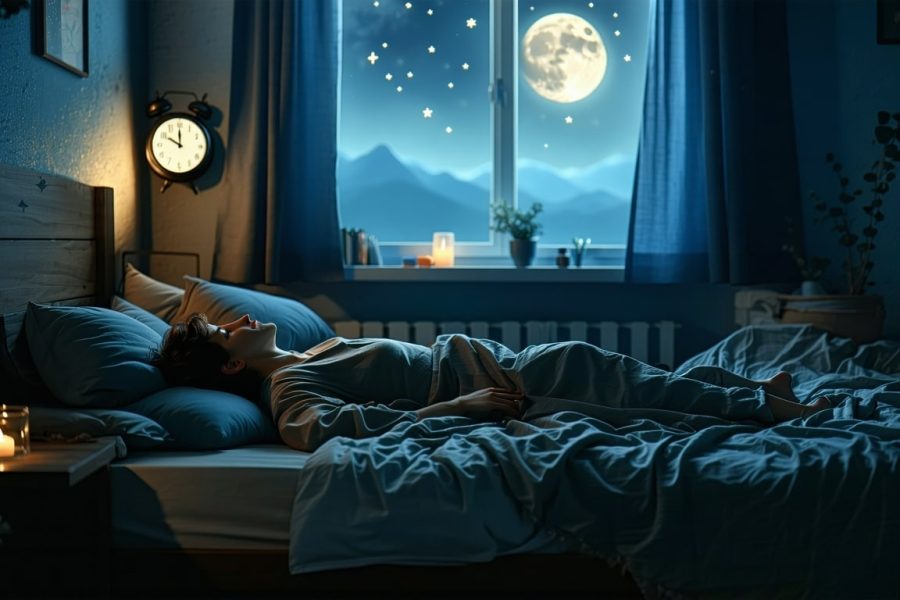
Understanding Insomnia Symptoms
Insomnia can sneak up on you in lots of ways, making your days feel like a zombie walk. Spotting the signs is a good step towards actually doing something about it.
Can’t Fall Asleep? Join the Club
One of the most common complaints from insomnia sufferers is just not being able to drift off. You might find yourself staring at the ceiling, tangled in your sheets, counting sheep while the minutes crawl by. This deal, called sleep onset insomnia, is a real pain, especially if you’re working odd hours or trying to shake up your bedtime routine. If this sounds like your nightly routine, it’s time to see what’s throwing your sleep off track.
| Symptom | Description |
|---|---|
| Can’t Fall Asleep | Lying awake and missing sleep, stirring up frustration and cutting down snooze time. |
When you’re constantly battling this, it’s like your energy tank’s on empty, and it can put you in a real funk during the day. Need some tips for tackling insomnia? Check out our piece on how to cure insomnia.
Playing Hide and Seek with Sleep
Waking up at odd hours and not being able to dive back into slumber is another headache many with insomnia deal with. Known as sleep maintenance insomnia, this hassle has you waking up multiple times through the night, laying in bed for what feels like forever before slipping back into dreamland. This stop-and-start sleep routine really cuts down on quality rest.
| Symptom | Description |
|---|---|
| Restless Sleep | Getting up more than once a night and struggling to nod off again. |
These sleep breaks leave you feeling like you hardly slept at all, making mornings a drag and affecting how you work and live. If this rings a bell, you might want to think about sleep helpers or going natural route. Check out best sleep aids for insomnia and natural remedies for insomnia.
Catching these symptoms is key in tackling them head-on. By getting a grip on your sleep struggles, you can find things that might actually help you sleep better. If your insomnia’s tangled up with stress or anxiety, digging into topics like insomnia and stress or insomnia and anxiety could be useful too.
Impact of Insomnia Symptoms
When insomnia barges into your life, things can feel topsy-turvy. It’s not just about wrestling with sleep; it takes a toll on both body and mind. Two headaches people often endure are waking up before the birds and dragging through the day like a zombie.
Waking Up Too Early
Getting up too soon is what folks call early morning wakefulness, or terminal insomnia if you’re feeling fancy. You find yourself staring at the ceiling way before the rooster thinks of crowing, and no dice on getting back to dreamland. This can leave you in a fog come daytime, making even simple tasks feel like climbing Everest with a hangover.
| Early Rising Hassles | What Happens |
|---|---|
| Daytime Drowsiness | You’re running on fumes, and productivity takes a nosedive. |
| Moodiness | You’re cranky and may snap like a twig from lack of sleep. |
| Brain Strain | It’s like someone filled your head with mashed potatoes—hard to concentrate or make decisions. |
Breaking the pattern of waking up before you’re ready is tricky. It can spiral, leading to even more sleepless nights. Knowing how and why these early wake-ups happen is key to breaking the cycle. Curious about insomnia? Have a look at our piece on insomnia and sleep disorders.
Feeling Tired
Dragging around a heavy blanket of fatigue? Blame insomnia. It sneaks into every nook of daily life—from work blunders to awkward social mess-ups. Being sleep-deprived is like walking a tightrope, especially when alertness is a must, like driving a car (Cleveland Clinic).
| What Makes You Tired | How It Messes Your Day |
|---|---|
| Counting Sheep | Tired all the time, energy tank’s on empty, afternoon naps become a craving. |
| Mental Toll | Stress and anxiety are like gremlins, worsening sleep woes (insomnia and anxiety). |
| Mood Spillover | Easier to fly off the handle, emotions are tricky to juggle (insomnia and depression). |
To beat the fatigue that tags along with insomnia, consider tweaking your sleep habits and lifestyle. Our article on how to cure insomnia has some handy tricks. Dig natural fixes? Peek into our page on natural remedies for insomnia.
Figuring out how early rising and tiredness work you over is a solid start in fighting back. Reach out, tweak your lifestyle, and you’ll be snoozing like a pro and feeling top-notch in no time.
Types of Insomnia
Figuring out the kind of insomnia you’ve got can be a real game-changer in tackling it and finding the right fix. You’ve basically got two types: short-term insomnia and chronic insomnia.
Short-Term Insomnia
Short-term insomnia, a.k.a. acute insomnia, sticks around for less than three months. Life can throw some wild curveballs—losing someone, changing jobs, a scary diagnosis, or even a global pandemic can make your sleep go haywire (Sleep Foundation). This sneaky condition crops up more often in women, hanging around during stressful times like pregnancy or menopause.
| What’s Up | Details |
|---|---|
| How Long? | Less than 3 months |
| Usual Suspects | Mad life stress |
| Who Gets It More? | Ladies |
If those stress triggers stick around, short-term insomnia might overstay its welcome and morph into the notorious chronic insomnia.
Chronic Insomnia
Chronic insomnia is the stubborn kind, showing up at least three nights a week for over three months. It does a number on about 10% of folks out there (Healthline). There’s primary insomnia, which minds its own business, and secondary insomnia that pals around with other health woes.
| What’s Up | Details |
|---|---|
| How Long? | Over 3 months |
| When It Strikes | At least 3 nights/week of bad sleep |
| Why It’s There | Messy sleep schedules, lousy sleep habits, pills, mental health stuff |
While it can toss your life in a loop, chronic insomnia isn’t usually harmful (Cleveland Clinic). Things get easier once you figure out if it’s short-term or chronic. Need more help? We’ve got all the tips and tricks on beating insomnia and trying out natural sleep remedies.
Causes of Insomnia
Knowing what keeps you awake can be a game changer. Stress and life events often play dirty tricks on your shut-eye. Then there are those pesky night-time disruptions, which pretty much throw a wrench in your sleep schedule.
Stress and Life Events
Stressful ordeals can sucker-punch you into what’s known as short-term insomnia, or acute insomnia in fancy terms. Think about losing someone dear, hearing some bad news about your health or going through a tough breakup or job loss—these things can mess with your sleep. Usually, these bouts last less than three months, but if stress hangs around, you might be stuck with chronic insomnia (Sleep Foundation).
Here are some prime culprits:
| Stress Triggers | What Happens |
|---|---|
| Loss of a loved one | Heartache can make it impossible to chill and catch Zs. |
| Major job changes | Work worries can hog your brain. |
| Health concerns | Health anxiety can eat away at your peaceful slumber. |
| Relationship issues | Heartaches or drama with someone special can wreck your sleep. |
Women often find themselves tangled up in short-term insomnia, particularly around pregnancy and menopause. Stress makes your mind race when you should be snoozing. For more on how stress messes with shut-eye, check out insomnia and stress.
Sleep Disruptions
Apart from stress, bedtime antics can also trip up your sleep. Those habits can cause insomnia to stick around like an unwanted guest, even if you straighten out the original problem. These might include:
| Disruption Factors | Effect |
|---|---|
| Poor sleep habits | Messy sleep patterns confuse your internal clock. |
| Caffeine use | Late cup of joe can slam the brakes on falling asleep. |
| Overactive thoughts | When your mind races with worries or plans, sleep takes a big hit. |
| Use of electronics | Watching screens before bed is like asking for a wakefulness boost. |
Want better sleep? Shaking up your habits might do the trick. Things like hormonal hiccups or conditions like anxiety and depression can worsen the chaos (Cleveland Clinic). Tackling these may mean exploring natural remedies for insomnia or chatting with a professional.
Figuring out what’s messing with your sleep is the first step to doing something about it. If you’re tired of counting sheep, you might want to peek at how to cure insomnia or find the best sleep aids for insomnia.
Risks and Complications
Having trouble catching those Zzz’s? It’s not just about counting sheep. Insomnia is more than an annoyance; it can have some real consequences for both your noggin and your body. Understanding what’s at stake might make it clear just how crucial it is to tackle those sleep problems head-on.
Mental Health Impact
If you think insomnia just means tossing and turning all night, think again. Chronic sleep troubles can throw a wrench in your emotional gears. Studies show insomnia can either spark or worsen mental disorders like anxiety and depression. Missing out on shut-eye can make it hard to focus and keep a good mood, piling on the stress instead of helping you handle it. Folks battling with insomnia often feel grumpy and moody, and this can put a serious strain on relationships and your life’s joy-meter.
| Mental Health Risks | Impact |
|---|---|
| Anxiety on the Rise | Hard to relax, stress piles up |
| Depression Hits Harder | Feeling down in the dumps, like a storm cloud won’t go away |
| Grouchiness | Smart smile? Nope, more like a frown town |
Want to dig deeper into how sleep messes with your head? Check out our reads on insomnia and depression and insomnia and anxiety.
Physical Health Consequences
Now, let’s talk about what insomnia can do to your body. Lack of sleep doesn’t just leave you feeling like a zombie—all groggy and dragging through the day. When you skip out on sleep for too long, your energy dips, and fatigue takes the wheel, making even the couch-eating feel like a chore. But that’s not all; your immune system can take a hit, making colds harder to dodge. Plus, your heart might not be too happy, and all sorts of hormonal chaos might ensue.
Here’s what can happen to your body if you keep skipping dreams:
| Physical Health Risks | Potential Consequences |
|---|---|
| Weak Immunity | Colds and bugs love it when you don’t sleep |
| Heart on Edge | Sky-high chances for heart woes and high blood pressure |
| Hormone Havoc | Messes with your metabolism and hunger control |
Dealing with the whole insomnia package? Maybe you’re keen to find some fixes. Explore our tips in how to cure insomnia and natural remedies for insomnia. Nailing down these risks can guide you in managing your sleep in a way that keeps both your brain and body smiling.
Managing Insomnia
Dealing with sleeplessness can feel like trying to herd cats—tricky and frustrating! But with a few tweaks here and some medical guidance there, you can put your insomnia to bed. Let’s toss around some ideas that might just help you catch those elusive Zs.
Lifestyle Changes
Want to sleep like a log? Start by shaking up a few things in your day-to-day. A couple of adjustments can transform your nights. Consider the following:
| Change | What’s Involved |
|---|---|
| Sleep Schedule | Stick to hitting the sack and rolling out of bed at the same time—every day. Yep, weekends too! |
| Sleep Environment | Turn your sleep zone into a grotto of calm: think dark, quiet, and cool. Blackout curtains or earplugs can be game-changers. |
| Caffeine and Alcohol | Ditch the java and booze near bedtime. It might make saying goodnight that much easier. |
| // Exercise | Keep moving! Carve out 30 minutes daily for exercise. Just don’t overdo it close to bedtime, or your brain might still be doing jumping jacks when you wanna snooze. |
| Relaxation Techniques | Wind down with a bit of meditation, slow yoga, or just some easy-breathing exercises. |
You might wanna peek at some natural remedies that fit nicely with these lifestyle tweaks.
Medical Treatments
If you’ve given those lifestyle hacks your best shot and still find yourself staring at the ceiling, it might be time to chat with a doc about medical stuff. There are remedies ranging from things you pick up over-the-counter to those prescriptions with names you can’t pronounce. Always a smart move to ask your doctor what’s up with side effects and all that jazz. Here’s a rundown of what’s available:
| Treatment Type | What’s It About |
|---|---|
| Prescription Medications | Chat with your doc about something stronger if sleep is playing hard to get. |
| Over-the-Counter Sleep Aids | These might take the edge off short-term, but don’t make them a nightly habit. Best to run it by a healthcare pro. |
| Mental Healthcare | Sometimes stress, worry, or a case of the blues are why you’re counting sheep till infinity. Consider therapy—talking it out can work wonders. |
Tackling mental health can really hit the reset button on your snooze game (Cleveland Clinic).
If you’re knee-deep in insomnia woes or curious about the impact of meds or need the lowdown on banishing insomnia for good, there are plenty of resources that speak your language.