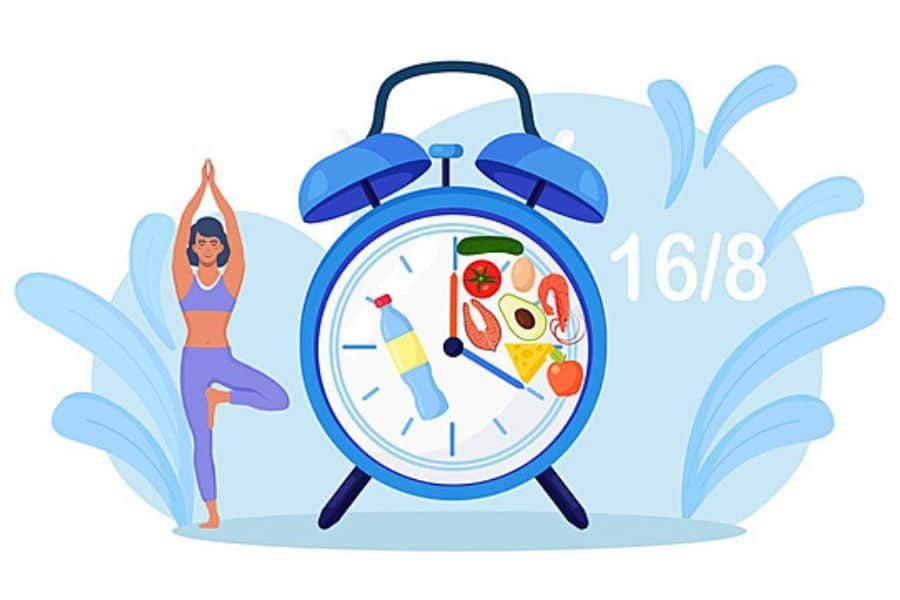
Understanding Intermittent Fasting
What is Intermittent Fasting?
Intermittent Fasting (IF) is like giving your eating habits a bit of a makeover. It’s all about cycling between eating and fasting rather than focusing strictly on what piles up on your plate. Imagine it as having an eating schedule where you decide when to chow down. This nifty trick can help naturally cut down on calories, making it a popular choice for those keen on shedding some pounds. Plus, with its flexible nature, it’s a hot favorite for those aiming for a healthier lifestyle without too many rules.
Benefits of Intermittent Fasting
Diving into intermittent fasting can perk up your health in quite a few ways. Here’s what you might notice:
- Weight Loss: By shortening your mealtime, you’re likely to eat less (almost by accident!), which can help the scale tip in your favor. Pairing this with a balanced diet boosts the effect (Medical News Today).
- Better Heart Health: This style of eating can be a heart-friendly move by potentially lowering things like high blood pressure, cholesterol, and those pesky triglycerides.
- Diabetes and Blood Sugar Management: It’s a pal to diabetes management by upping insulin sensitivity and could help fend off type 2 diabetes.
Plus, your brain could get a little sharper, and who doesn’t want that? Some studies hint that fasting could boost brain skills and even guard against Alzheimer’s (Johns Hopkins Medicine).
The perks don’t stop there. Intermittent fasting might just help folks live a tad longer and steer clear of chronic diseases, including certain cancers. It’s a tempting recipe for better health.
If you’re up for a deeper dive, check out our special feature on intermittent fasting benefits. And if you’re thinking, “Time to give this a go,” pop over to our intermittent fasting schedule for tips on how to fit it into your life.
| Benefit Category | Specific Benefits |
|---|---|
| Weight Management | Slimming down, better metabolism |
| Heart Health | Lower cholesterol, reduced blood pressure, less inflammation |
| Diabetes Prevention | Sharper insulin reactions, steadier blood sugar |
| Cognitive Gains | Smarter brain function, Alzheimer’s defense |
| Preventing Chronic Illness | Less risk of diabetes, heart issues, bowel disease, and some cancers |
No wonder many folks, particularly those eyeing weight loss, are keen to try intermittent fasting. But, always have a chat with a healthcare professional before making any big changes to your diet, especially if you’re dealing with health concerns. To kick things off safely, peek at our intermittent fasting tips.
Different Intermittent Fasting Methods
The 16:8 Method
So, you’ve heard about the 16:8 method, right? This one gets a lot of buzz thanks to its simplicity. You fast for 16 hours and eat during an 8-hour window each day. Pretty straightforward! Folks looking to shed some pounds or balance out their blood sugar find it super handy, and it’s backed by some good ol’ fashioned research (Medical News Today).
| Fasting Time | Eating Window |
|---|---|
| 16 hours | 8 hours |
During those 8 glorious hours of grub, try to munch on balanced, nutrient-packed meals. Hungry for more guidance? We’ve got intermittent fasting apps that can keep you in the loop. Wanna dig deeper into how this method helps with weight loss? Check out our piece on intermittent fasting for weight loss.
The 5:2 Method
The 5:2 style is all about eating like you normally would for five days, but on two days, you’re gonna pump the brakes and eat way less—just 500-600 calories. You might find the pounds slipping away, but this can plateau. Keep it fresh so your body doesn’t get lazy!
| Regular Eating Days | Reduced Calorie Days |
|---|---|
| 5 days | 2 days (500-600 calories) |
The beauty of 5:2 is the flexibility—don’t cram those fasting days back-to-back. Your body likes a breather. More into meal plans? We’ve got you covered with our intermittent fasting meal plans.
Alternate Day Fasting
Alternate day fasting is a bit hardcore, where you oscillate between fasting and feasting. Some folks take in a teeny 500 calories on fasting days, others go all-in with a fast (Medical News Today). Heads up: It’s quite intense, so newbies or folks with certain health quirks might wanna start elsewhere.
| Day | Intake |
|---|---|
| Fasting Day | 0-500 calories |
| Eating Day | Normal intake |
Although this method could work wonders, it’s like running a marathon for some. If you’re thinking of diving in, maybe chat with a doc first. Need tips to battle hunger or fatigue on those fasting days? Swing by our guide on managing hunger and fatigue.
Trying out these methods helps you pick what vibes best with your lifestyle. From 16:8 to 5:2 or alternate days, keeping yourself in the loop with resources like our intermittent fasting tips and intermittent fasting benefits will make all the difference. Who knows, maybe it’s the new groove you’ve been seeking!
Intermittent Fasting for Weight Loss
Let’s chat about intermittent fasting, a trendy way to drop pounds and get healthier without feeling like you’re climbing Everest in flip-flops. Great for newbies aiming to kick off their weight loss trek.
Effectiveness for Weight Loss
Intermittent fasting can help crank down the scale numbers. It has been shown to fight off obesity and the nasty sidekicks that come with too many burgers and sofa time. You’re trimming down your calorie intake, which helps shed those pounds and keeps your hunger in check.
| Method | Average Weight Loss |
|---|---|
| 16:8 | 3-4 lbs per month |
| 5:2 | 5-6 lbs per month |
| Alternate Day | 1-2 lbs per week |
Deets:
- 16:8 Method: You snooze the snacks for 16 hours, munch during 8.
- 5:2 Method: Five days like a king, two days as a pauper.
- Alternate Day Fasting: Flip-flop between eating and fasting days.
Impact on Metabolism
Giving intermittent fasting a go can shake up your metabolism in a good way. Your body puts on its hard hat and starts burning through its glycogen stash until it taps into those fat reserves. That’s the magic that aids weight loss.
Benefits unwrapped:
- Turbocharge fat burning
- Boost insulin’s game
- Control hunger-triggering hormones
These shifts not only help you keep the weight in check but also play nice with your overall health by potentially cutting the risks of diabetes and heart issues.
For more about how intermittent fasting gives your metabolism a makeover, see our deep dives on intermittent fasting and metabolism and intermittent fasting benefits.
Thinking about giving this fasting thing a whirl? Pick a style that fits your life like a glove, and have a chat with a healthcare pro. More pointers wait for you in our guide on intermittent fasting methods.
Grasp these basics, and you’ll be set to weave intermittent fasting into your day-to-day for dropping pounds and boosting your metabolic mojo. More tips and tricks over at intermittent fasting tips.
Potential Health Benefits of Intermittent Fasting
Intermittent fasting is trending now. It’s not just another diet fad but comes with a bag of possible goodies for your health. Let’s take a peek at how it can boost your heart’s performance and keep diabetes at bay.
What It Does for Your Ticker
Your heart is your body’s drummer, keeping the beat going strong. Got some good news: intermittent fasting might love your heart as much as you do. Some studies say fasting can chill out your blood pressure, dial down that naughty LDL cholesterol, and cool the flames of inflammation—key stuff for a happy heart (Healthline). When you hit pause on eating, your body starts tinkering behind the scenes, doing all kinds of good deeds for your ticker.
Check out this cheat sheet on how fasting might jazz up your heart health:
| Health Marker | What Might Happen |
|---|---|
| Blood Pressure | Drops by 3-10% |
| LDL Cholesterol | Slides down 10-30% |
| Inflammation | CRPs take a nosedive |
Kicking Diabetes to the Curb
Fasting isn’t just a one-hit wonder; it also takes a jab at diabetes. By giving your body a hand with insulin and sugar levels, this approach might help manage or even ward off type 2 diabetes (Healthline).
Your body gets better at handling insulin when you fast—basically, it gets smarter about sugar. Different fasting styles, like 16:8 or 5:2, show promise in keeping insulin sensitivity in check.
If you’re curious about how fasting tackles sugar levels head-on, swing by our article on intermittent fasting and blood sugar.
Here’s a snapshot of how fasting takes on diabetes:
| Risk Factor | What Might Change |
|---|---|
| Insulin Sensitivity | Bumps up 20-30% |
| Fasting Blood Sugar | Drops by 3-6% |
Wrapping your head around these health perks can help you see if intermittent fasting clicks with you. If you got bitten by the curiosity bug, dive into more of our goodies on intermittent fasting benefits and snoop around different intermittent fasting methods.
Side Effects and Challenges
Okay, let’s face it, life’s a feast and sometimes ya gotta put your plate down! Intermittent fasting’s like hitting the pause button on your all-you-can-eat buffet. Sure, it’s got its perks, but as with everything, beginners might trip over a cobblestone or two. Here’s the scoop on some hiccups you might run into and how to deal.
Managing Hunger and Fatigue
Picture it: you’re ready to embrace the fasting lifestyle, and wham, hunger roars like a lion at feeding time. Your body’s used to munching regularly, so expect some early rumbles (thanks, Healthline). With a bit of time, that belly might simmer down and get with the program.
Feeling worn out might also crash your party the first week. Turns out, your body’s gotta switch from burning bread and pasta to using fat for fuel. Tired? Here’s how to kick fatigue to the curb:
- Stay hydrated: Sip on water all day long, straight from the good ol’ tap.
- Get enough sleep: A well-rested body is a happy body.
- Lay off the mega coffee doses: More caffeine might seem smart, but it could just drain your battery, leaving you with a splitting headache.
By week two, you’ll likely be strutting around with more pep. Hungry for more tips? Dig into our intermittent fasting tips.
Potential Digestive Issues
Time to talk tummy troubles. Fasting might stir up a storm inside, introducing the delightful likes of indigestion, diarrhea, nausea, and bloating. Usually, you can blame the stomach theatrics on new eating habits and food choices when the meal bell tolls.
Here’s the fix:
- Balanced meals: Mix up some wholesome grains, lean meats, good-for-ya fats, and greens.
- Overeating? Nah: Don’t stuff yourself like a turkey.
- Chew like you mean it: Take a moment with each bite, let your food feel loved.
Want to keep things moving smoothly? Get on board with our intermittent fasting meal plans.
| Digestive Whammy | Offered Remedies |
|---|---|
| Indigestion | Go for frequent, modest meals in your eating time |
| Diarrhea | Stock up on fiber foods, and keep those liquids coming |
| Nausea | Steer clear of greasy pizza and hot wings |
| Bloating | Pass on the salted popcorn and fizzy drinks |
Intermittent fasting packs a punch with possible perks like zapping a sluggish metabolism or shedding pesky pounds (weight loss, anyone?). But hey, your body likes to be heard — lend an ear and play nice. Any constant or yikes-level sidekick symptoms? Better check in with a doc to make sure fasting’s your jam. More on dodging risks? Slide into our intermittent fasting risks.
Tips for Starting Intermittent Fasting
Thinking about giving intermittent fasting a whirl to jumpstart your weight loss? These handy tips will help you dive in with confidence. A little prep can really set the stage for a smooth experience.
Chit-Chat with Your Doctor
Before you switch up your eating pattern, it’s a good idea to have a chat with your doc. They can give you the lowdown tailored to your medical history and current health vibes. This is especially important if you’ve got any health quirks or pop pills on the reg. And hey, they can also walk you through any annoying side gigs like hunger pangs and fatigue.
Picking Your Fasting Style
Finding the right fasting style is like picking the perfect pair of shoes – gotta find the one that fits just right! There are a few ways to go about it, and it’s all about what jives with your lifestyle. Here’s a sneak peek at some of the popular ones:
| Fasting Style | No-Nosh Hours | Chow Time | Who’s It For? |
|---|---|---|---|
| 16:8 Style | 16 hours | 8 hours | Newbies |
| 5:2 Style | 2 days a week | 5 days | Folks with flexible schedules |
| Every-Other-Day Style | Every other day | Off days | Those who can handle longer fasting spells |
We’ve got more on these fasting styles over in our intermittent fasting breakdown.
When you’re picking your style, keep in mind when you love or need to eat. If you’re a newbie, the 16:8 Style might be your jam since it’s got that daily eating window – easier to handle with busy schedules. Got the hang of it or have a chill schedule? You might dig the 5:2 or Every-Other-Day styles.
And hey, there are a bunch of fasting apps to help you keep track of your fasts, munch-a-thons, and progress.
Start with a talk with your doc, pick a style that suits your life, and you’ll be on your way to seeing what intermittent fasting can do for ya. Need more cool tips? Check out our guide on starting out with intermittent fasting.