Understanding Intermittent Fasting
Basics of Intermittent Fasting
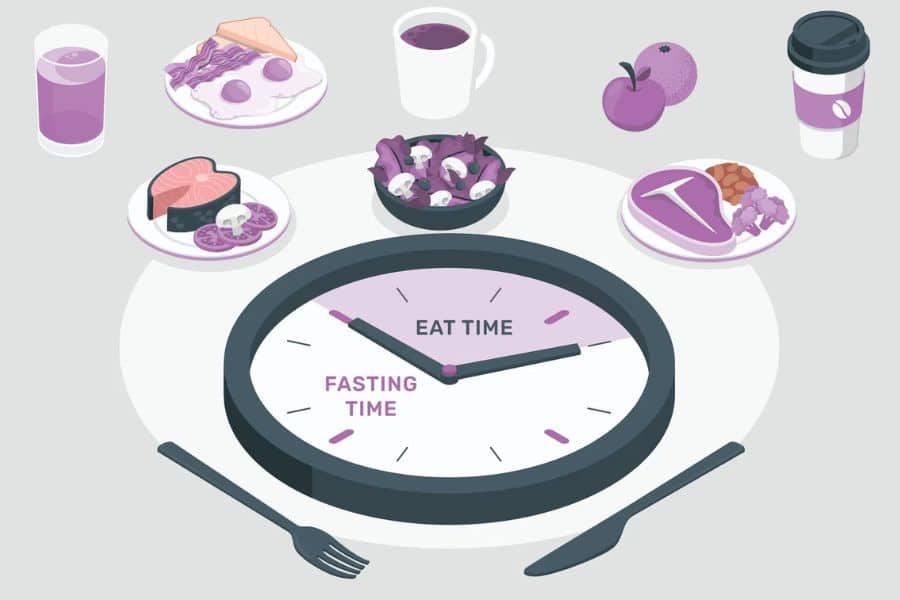
Intermittent fasting (or IF for cool folks) is all about timing your meals with precision. It’s like a gentle ebb and flow of “now I eat” and “now I don’t.” Instead of fussing over the nitty-gritty of what’s on your plate, you just clock in and out of feasting hours. You’ve got options, too! Take the 16/8 style: fast for 16 hours, chow down in 8. And there’s the 5:2 choice, where five days are normal eats, two aren’t so much (cue eye roll as calories get slashed). Some bright minds like those at the Mayo Clinic reckon alternating fasting works wonders much like the everyday low-cal cheese stand.
If you’re just setting foot in this land of timed meals, peep the intermittent fasting schedule to find your groove.
Benefits of Intermittent Fasting
Why bother with IF, you ask? Well, the perks are plenty. Shedding a few pounds tops the list—eat fewer calories and voila, weight be gone! Mayo Clinic backs this up, by the way.
But wait, there’s more (Healthline sings its praises too):
- Kiss insulin drama goodbye
- Stable blood sugars
- Lower blood squabbles
- A happier heart
- Frazzled nerves? Not anymore
Here’s the lowdown:
| Health Perks | What That Means |
|---|---|
| Weight Loss | Less chow time usually means shedding those extra pounds. |
| Improved Insulin Sensitivity | Your body becomes pals with insulin again. |
| Better Blood Sugar Levels | Keeps the sugar rushes at bay. |
| Lower Blood Pressure | Your ticker will thank you for this. |
| Reduced Risk of Heart Disease | Keeps heart woes on the back burner. |
| Decreased Stress | Less hassle and oxidative chaos in the body. |
Curiosity piqued? Take a stroll through intermittent fasting benefits.
Thinking of IF to toss some pounds? Check out the detailed reads on intermittent fasting for weight loss and intermittent fasting and fat loss.
A word to the wise: the start might be rough with hunger pangs buzzing around, but hang in there! Studies (yep, Healthline again) show the grumbles calm down shortly. Getting the hang of these basics might just steer you toward your wellness jackpot.
Got ants in your pants to know more? There’s a world of intermittent fasting apps and intermittent fasting recipes waiting to make your ride smoother!
Risks and Side Effects
Thinking about trying intermittent fasting to lose some weight? Hold up; let’s chat about a few things you should know before jumping in. Let’s talk side effects, potential health hazards, and what this could mean for the older folks among us.
Common Side Effects
Starting intermittent fasting can come with its own set of hiccups. Here are the common bumps you’ll likely hit on this road:
- Hunger: Let’s face it, skipping meals is bound to make anybody hangry, especially at the beginning.
- Headaches: Those pesky headaches often pop up, especially if your morning coffee doesn’t.
- Fatigue: You might feel like you got hit by a fatigue truck as your body starts figuring out this new eating gig.
- Irritability: Brace yourself for some mood swings as your body learns to cope with the new mealtime schedule.
Looking for tricks to smooth out the bumps? Check out our intermittent fasting tips.
| Side Effect | Frequency |
|---|---|
| Hunger | High |
| Headaches | Moderate |
| Fatigue | High |
| Irritability | Moderate |
Potential Health Risks
Intermittent fasting may not be a one-size-fits-all deal. It could carry some health hazards, especially for certain folks:
- Nutrient Deficiency: Skipping meals might make it hard to get the good stuff your body needs.
- Disordered Eating Patterns: Fasting might accidentally mess with your food relationships, causing more harm than good.
- Blood Sugar Levels: If you’re dealing with diabetes or insulin/calcium meds, this could be tricky. Peep our article on intermittent fasting and blood sugar for more details.
- Electrolyte Imbalance: Skipping those bites can throw your sodium and potassium all out of whack.
Playing with the length of fasting can change the game too. The longer you fast, the more your body might start freaking out and storing fat.
| Fasting Duration | Risk Level |
|---|---|
| 16:8 | Low |
| 24-hour | Moderate |
| 36-hour | High |
| 48-hour | Very High |
| 72-hour | Very High |
Impact on Older Adults
If you’re a bit more seasoned in life, intermittent fasting could throw some curveballs your way. Consider these points:
- Weight Loss: Dropping too many pounds can hurt bone health and knock your immune system off balance.
- Energy Levels: Excessive weight shed might leave you dragging through your daily business.
- Research Availability: Not as much info out there about how fasting affects the older crowd (Harvard Health Publishing).
If you’re curious about how fasting could mix with age, sit down with a healthcare pro and visit our piece on intermittent fasting for beginners.
| Consideration | Impact on Older Adults |
|---|---|
| Bone Health | Negative |
| Immune System | Negative |
| Energy Levels | Negative |
| Research Availability | Limited |
Before you kick off the fast, it’s smart to think through these risks and side effects. If you’re eyeing fasting for weight loss or other reasons, give it some serious thought and have a word with the healthcare experts.
Factors to Consider
Thinking about dipping your toes into intermittent fasting? Hold up, partner! Let’s chat about some important stuff first. Here are some things you gotta chew over before you hit pause on eating.
Safety Tips
Intermittent fasting sounds all cool and trendy, and for many, it’s safe enough. But hear me out: It’s not a one-size-fits-all kind of gig. If you’re a mama-to-be, already snuggling with a baby, or dealing with health quirks like kidney stones, acid reflux, or diabetes, this might not be your jam (Mayo Clinic). Skipping meals is not just a walk in the park—it can steer you into health troubles. And nobody wants that!
Before you leap, have a pow-wow with your healthcare pro. That’s a must, especially if you’re juggling health conditions or popping meds. Start slow—you can’t dive into intermittent fasting like you’re cannonballing into a pool. Easing yourself, trimming that eating window bit by bit over months, can save you from some nasty surprises (Harvard Health Publishing). Need more baby steps? Check out our guide for beginners.
Medication Matters
What about the pills you’re popping? Not all meds play nice with fasting. If you’re on the diabetes, blood pressure, or heart med train, be extra careful. Cutting down calories in one swoop like you’re trying to win a limbo contest can mess with your body’s natural scoreboard of sodium, potassium, and other mineral MVPs.
| Medication | Risk When Fasting |
|---|---|
| Diabetes Meds | Crash-dive in blood sugar |
| Blood Pressure Pills | Blood pressure rollercoaster, mineral chaos |
| Heart Meds | Electrolyte mischief, blood pressure shenanigans |
On meds? You better holler at your doc to get the 411 on risks and shifts you might need to consider. Curious about fasting fallout? Here’s more scoop on side effects.
No need to wander blindly into fasting territory. With some solid prep, you can do this without any hiccups. Professional advice is golden, so nab it and peruse our take on different intermittent fasting styles to see what fits your world best.
Managing Intermittent Fasting
Kicking off your intermittent fasting journey? Here’s some down-to-earth advice that’ll help you slide right into it like a pair of well-worn slippers, minimizing the hiccups and maximizing success.
Gradual Adjustment Period
Think of this as easing into a warm bath rather than jumping into an ice-cold lake. Slow and steady wins the race and all that. Here’s your action plan:
-
Ease Into It: Shrinking your munching hours bit by bit is the key. Start off with a 12-hour fasting window. After a while—it could be weeks—aim to stretch it to 16 or 18 hours (Harvard Health Publishing).
-
Drink Up: Water is your best buddy in this fasting gig. Fighting off hunger, thumping headaches, and wobbly legs? Keep that water bottle handy.
-
Listen Up: Tune into what your body’s broadcasting—energy highs, hunger pangs, and any irritating rules of fasting fatigue. Yes, you might feel ravenous or downright exhausted at first, but take heart; your body’s just getting its groove on, usually within a few days (Healthline).
| Adjustment Stage | Fasting Hours | Eating Hours |
|---|---|---|
| Start Here | 12 | 12 |
| Weeks 1-2 | 14 | 10 |
| Weeks 3-4 | 16 | 8 |
| Week 5 & Beyond | 18 | 6 |
Following this road map, you’ll ease your body’s transition to its new eating game plan.
Advice from Professionals
Getting a pro’s insight is like having a compass when stepping into uncharted territory—essential for anyone with a medical history or on medication. Here’s what to keep in mind:
-
Doctor’s Orders: Checking in with a doc means you’ll know exactly what you’re signing up for, especially if you’ve got underlying health thingamajigs.
-
Nutritional Know-How: A nutritionist can whip up meal plans as fast as an air fryer. This helps ensure you’re not running low on those must-have nutrients.
-
Regular Tune-Ups: Think of occasional doctor visits as intermittent fasting pit stops to check on how things are ticking along, making sure you’re dodging any health grenades.
With the right info and some professional backing, intermittent fasting can be a solid way to shed those extra pounds. For beginners looking to get into the groove, our intermittent fasting how-to offers more insider tidbits.
Keep these points in your back pocket, and you’ll find intermittent fasting less of a headache and more of a lifestyle choice. For extra goodies, check out our pages on fasting tips and meal ideas.
Psychological Effects
Emotional Impact
Intermittent fasting can really mess with your feelings. Picture this: a 2016 study with 52 women showed they were crankier during an 18-hour fast compared to when they could eat freely. Low blood sugar might be at play here, making the hangry monster appear. But crankiness is just the tip of the iceberg. Mood swings, anxiety, and stress can crash your party, especially when you’re just starting out. It’s important to know that these emotional rollercoasters are just your body reacting to a new eating routine.
Relationship with Eating Disorders
One of the biggies about intermittent fasting is its link to eating disorders. Setting strict rules around munching and ignoring the tummy’s ‘feed me’ signals can lead to some not-so-great habits. Think of it as introducing your body to a chaotic relationship with food and size, messing up the natural harmony of eat when hungry.
A study by Ganson and team found that 47.7% of females, 38.4% of males, and a whopping 52.0% of transgender and gender non-conforming folks had jumped on the intermittent fasting bandwagon over the past year. People who try intermittent fasting might be tiptoeing toward eating disorders, with women being especially at risk.
If someone already battles eating disorders, intermittent fasting can pour fuel on the fire—intensifying struggles, hiding problematic eating habits, and making recovery an uphill trek (Emily Program). Knowing about these warning signs helps you decide if this fasting lifestyle is really what you want for your health journey.
Long-Term Implications
Sustainability of Intermittent Fasting
Thinking about jumping on the intermittent fasting wagon? Well, check if it’s something you can stick with for the long haul. Lots of folks find fasting safe, but if you’re expecting a baby or nursing one, or if you’re dealing with things like diabetes, kidney stones, or heartburn, maybe skip this one for now (Mayo Clinic).
How well you can keep up with intermittent fasting really depends on what you’re comfortable with and how you live. Some tests show folks who don’t fast lose about the same weight as those who do (Emily Program). It just means some people might find a regular eating routine works just as well.
Our lives look really different from 50 years back. Back then, smaller meals and moving about more helped folks stay fit. Now, couch-potato habits and food-till-you-drop culture make it easier to gain weight and pick up other health issues.
Intermittent fasting isn’t something you dive into headfirst. It’s more of a slow bend. You might want to shrink your eating times gradually over months and chat with a doc to tailor it to your health needs.
Popular Types of Intermittent Fasting
| Type | Fast Duration | Eating Window |
|---|---|---|
| 16/8 Method | 16 hours | 8 hours |
| 5:2 Diet | 2 non-consecutive days | Normal eating |
| 24-hour Fast | 24 hours | Once per week |
Need more info? Dive into our intermittent fasting methods.
Future Research Needs
Studies right now show intermittent fasting has its pros and cons. You might feel hungry or get headaches, tiredness, or cranky bouts along the way. Lots of these studies are done on animals, so we’re still figuring out the human angle and long-term effects.
Fasting looks promising for certain health conditions like diabetes. But health pros say to tread carefully as it might stir up eating disorders, especially if you’ve struggled with them before. Teens and young adults, in particular, need to proceed with caution and seek advice from doctors before starting (NCBI).
For a deeper dive into what future research could unveil, cruise over to our page on intermittent fasting research.
Intermittent fasting might be the next big thing in diet circles, but it’s key to weigh the risks and chat with your healthcare provider. For a broader understanding, check out our articles on intermittent fasting benefits and intermittent fasting side effects.