Understanding the Keto Diet
Basics of Keto
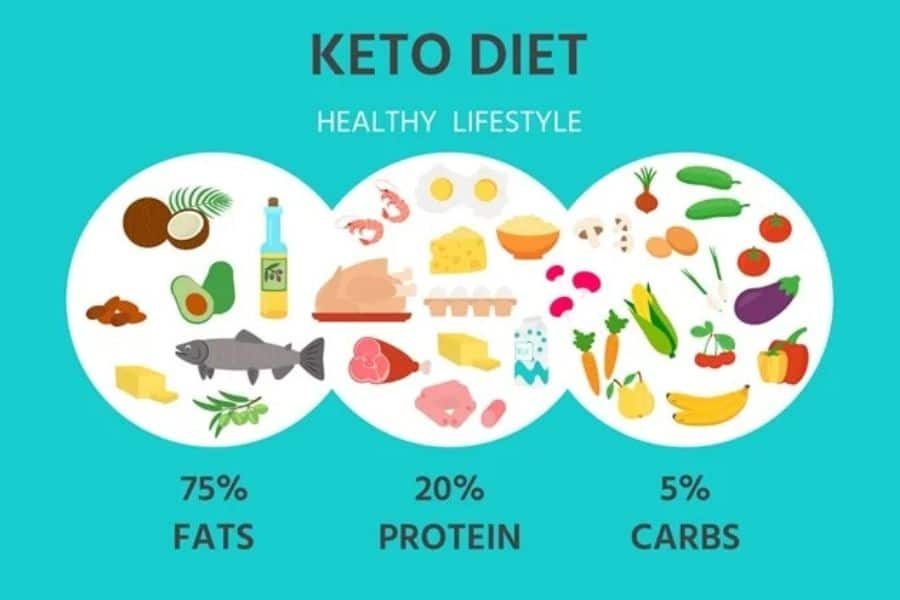
Alright, let’s break down this thing called the keto diet! It’s all about flipping the switch on your metabolism. Normally, we run on carbs like a car on gasoline, but with keto, you’re running on fat. This means munching on high-fat goodies and saying “not today” to carbs. When your body hits this fat-burning zone, it’s called ketosis, and it can bring some pretty cool health boosts (Healthline).
Here’s the gist for your shopping list:
| What you’re eating | How much of it? |
|---|---|
| Carbs | 5-10% |
| Proteins | 20-25% |
| Fats | 70-75% |
Keep those carbs down to about 20-50 grams daily. This means choosing foods loaded with fats, keeping proteins at a comfy medium, and steering clear of high-carb dives.
Benefits of Keto
Jumping into keto land comes with a treasure chest of perks like slimming down and a metabolic makeover. Here’s what’s in it for you:
Weight Loss
Wanna lose pounds? The keto diet is like the secret weapon. It makes your body not just burn energy, but fat! Research even says folks on keto lose about 2 pounds more than those hanging on to low-fat plans over a year (Medical News Today). Ready to dive deeper? Check out our keto diet weight loss guide.
Improved Blood Sugar Control
If you’ve got type 2 diabetes knocking at your door, keto might give it the boot. It can boost your insulin sensitivity, along with a helping of fat shedding. People with type 2 diabetes on keto dropped an average of 26.2 pounds in two years, plus their blood sugar behaved better (Healthline). Curious to learn more about this? Peek at our article on keto diet and diabetes.
Enhanced Skin Health
Think carbs might mess with your mug? Ditching those processed snacks and sugars could smooth out your skin. Cutting carbs helps lower insulin levels, which can mellow out hormone swings and clear up acne (Medical News Today).
Cardiovascular Health
Eating the right stuff on keto can help clean up your blood work. You might see drops in total cholesterol, bad cholesterol (that’s LDL), and even triglycerides, potentially lowering heart woes (Medical News Today). For more heart-friendly news, check our keto diet benefits.
So, with the lowdown on keto basics and the goodies it brings, you’re set to decide if it’s your next big move. For some tasty ideas, swing by our keto diet meal plan and the keto diet recipes pages.
Getting Started on Keto
Thinking about jumping on the keto bandwagon? It’s a solid way to shed some pounds and boost your health. Let’s kick off your keto journey right here.
Transitioning to Keto
Switching up your diet to keto means making some big food swaps. You want your body to get into this fancy state called ketosis, where you’re burning fat instead of chowing down on carbs. Here’s how you do it: drop those carbs like they’re hot and pile on the fats (Healthline’s got more on that).
Here’s a simple roadmap:
- Keep those carbs down to about 20-50 grams a day.
- Load up on good fats like meat, fish, eggs, nuts, and oils that do your body good.
A few transition tips:
- Ease off the carbs over a week.
- Amp up your good fat intake.
- Guzzle enough water to keep your body running smooth.
- Peek into keto supplements for a helping hand in your keto switch.
For some meal inspo, check out our keto diet meal plan goodies right here.
Setting Macro Goals
If you’re going keto, locking in those macro goals is the name of the game. Macros are just a fancy term for the nutrients – carbs, proteins, fats – your body’s gonna love or leave. Here’s the usual keto breakdown:
| What You’re Eating | How Much Each Day |
|---|---|
| Carbs | 5-10% |
| Protein | 20-25% |
| Fats | 70-80% |
To keep it real:
- Know Your Daily Carb Cap: Aim to keep carbs at 20-50 grams daily.
- Figure Out Your Protein Demand: Aim for 0.6-1.0 grams per pound of you.
- Fat is Your New Best Friend: Let fats fill up whatever’s left.
Setting those macro goals keeps you heading towards ketosis like a boss. Dig deeper into the details at our keto diet macros page.
Everyone’s engine burns a little different. Activity level, goals, and how you naturally operate can change what you need. For some tailored guidance, hit up a nutrition pro or your healthcare guru.
Find more ways to make the keto lifestyle yours with our guides on keto diet foods and keto diet recipes.
Foods to Include on Keto
Starting a keto diet means picking foods that are low in carbs, high in fat, and moderate in protein. Let’s jump into what you should add to your menu.
Animal Proteins
Animal proteins are the rockstars of the ketogenic diet. They pack in crucial nutrients without sneaking in carbs. Here’s what you need:
- Seafood: Dive into fish and shellfish! Not only do they come loaded with B vitamins, potassium, and selenium, they also taste great. Salmon and tuna are standouts.
- Meat and Poultry: Chicken, beef, and pork are your go-to for protein power.
- Eggs: Nature’s multivitamin. They’re filling and perfect for weight control (Healthline).
| Food Item | Protein (g) | Carbs (g) | Fat (g) |
|---|---|---|---|
| Salmon (100g) | 20 | 0 | 13 |
| Chicken Breast (100g) | 31 | 0 | 3.6 |
| Eggs (1 large) | 6 | 0.6 | 5 |
Low-Carb Vegetables
Pile on low-carb veggies! They’re chock-full of vitamins, minerals, and fiber that keep you in ketosis. Here’s what’s on the menu:
- Leafy Greens: Think spinach, kale, and arugula. They’re loaded with nutrients and skimp on carbs.
- Cruciferous Vegetables: Crunch on broccoli, cauliflower, and Brussels sprouts. Low on carbs, high on fiber.
- Avocado: Technically a fruit, but who cares? It’s packed with healthy fats and nearly no carbs.
| Vegetable | Serving Size | Carbs (g) | Fiber (g) |
|---|---|---|---|
| Spinach | 1 cup | 1 | 0.7 |
| Broccoli | 1 cup | 6 | 2.4 |
| Cauliflower | 1 cup | 5 | 2 |
Healthy Fats
Healthy fats fuel the keto engine. Here’s where to get them:
- Oils: Olive oil and coconut oil are filled with good fats. Use them for cooking or as dressings. Coconut oil is especially great for boosting ketone levels and shedding pounds (Eating Well).
- Nuts and Seeds: Almonds, walnuts, chia seeds, and flaxseeds fill you up with fats and fiber.
- Dairy: Cheese, plain Greek yogurt, and cream offer rich fats. Indulge in moderation. Plus, cheese has CLA for fat burning (Healthline).
| Fat Source | Serving Size | Carbs (g) | Fat (g) |
|---|---|---|---|
| Olive Oil | 1 tbsp | 0 | 14 |
| Avocado | 1 medium | 12 | 21 |
| Walnuts | 1 oz | 4 | 18 |
Get these food groups into your keto diet meal plan to hit your macro targets while keeping meals tasty and satisfying. Check out our keto diet recipes for more yumminess!
Foods to Dodge on Keto
Starting the keto diet? Well, it’s all about sidestepping those pesky high-carb munchies and sugary delights that can trip you off your ketosis game and mess up your weight-loss groove.
Hiding from High-Carbs
When you’re on the ketogenic diet, keeping carbs in check is key. These munchies will send your blood sugar soaring, making ketosis feel like a distant dream.
| Goodies to Steer Clear of | Examples | Net Carbs per Serving (g) |
|---|---|---|
| Grains | Bread, rice, pasta | 15-45 |
| Starchy Veggies | Potatoes, sweet potatoes, corn | 15-30 |
| Beans & Buddies | Legumes, like beans, lentils, chickpeas | 15-25 |
| Fruity Temptations | Bananas, apples, grapes | 10-30 |
As per Everyday Health, these goodies will pile carbs on your plate, fast-tracking you out of ketosis. Spin to the low-carb side with leafy greens and healthy fats.
Sidestepping Sugary Snares
Sugary yummies are chock-full of carbs and sugars, sending insulin through the roof and booting you from ketosis. Lessen these treats to ace your keto living.
| Sweet-to-Avoid | Examples | Net Carbs per Serving (g) |
|---|---|---|
| Sugary Snacks | Candy, cookies, cakes | 20-70 |
| Sugared Sips | Soda, fruit juices, energy drinks | 20-40 |
| Sweetened Dairy | Flavored yogurt, ice cream | 15-30 |
As Eating Well says, keep those sugary snacks on the DL. Check out keto diet desserts with sugar swaps like stevia or erythritol for a sweet, keto-friendly life.
For the whole who-can-eat-what shebang, swing by our keto diet foods page. And remember, eyeball your keto diet macros so you’re keeping your carb count on the straight and narrow.
Potential Health Benefits
So you’re curious about what the keto diet can really do for you, huh? It’s like finding that secret recipe for living healthier and maybe even feeling a little lighter on your feet. Let’s chat about the biggies: losing that stubborn weight and getting your blood sugar to behave.
Weight Loss
Why do folks jump on the keto bandwagon? It’s all about those shrinking waistlines. This diet’s like flipping a switch that gets your body to torch fat faster and keeps your rumbling tummy on mute. Science says peeps on keto can lose 5 pounds more in six months and 2 pounds more in a year compared to those munching on the low-fat stuff (Medical News Today).
And the best part? No need to whip out the calculator. You can lose weight without counting every calorie or dissecting your dinner plate. It all comes down to body magic—turning fat into energy. Here’s how keto lines up against a low-fat diet:
| Diet Type | Average Weight Loss (6 months) | Average Weight Loss (1 year) |
|---|---|---|
| Ketogenic | 5 pounds extra | 2 pounds extra |
| Low-Fat | Starting Line | Still Running |
For you kok keto diet fans trying to avoid the carb overload, steer clear of those fruity sugar bombs like bananas, packing over 20 grams of carbs. Aim for lower-carb goodies like raspberries, with just 1.7 grams per ¼ cup (Everyday Health). Want more nitty-gritty on meal ideas? Dive into our keto meal guide.
Improved Blood Sugar Control
Next up, playing nicer with your blood sugar. Keto’s got a knack for this, which is awesome news for folks with type 2 diabetes or on the edge with prediabetes. It cranks up that insulin responsiveness and sheds some pounds, setting the stage for better health wins.
Research shows those running the keto gamut for two years lost an impressive 26.2 pounds and saw their sugar numbers looking much friendlier (Healthline).
| Health Indicator | Before Keto Diet | After 2 Years on Keto Diet |
|---|---|---|
| Average Weight Loss | Starting Line | 26.2 pounds gone |
| Blood Sugar Levels | High Strung | Chill Mode |
So, if you’re itching to keep your weight and sugar levels in check, the keto path might just be the ticket. For the scoop on what to munch and dodge, dive into our guides on keto-friendly goodies and smart shopping tricks.
Challenges and Considerations
Side Effects of Keto
Jumping on the keto diet train? Hold on tight because your body might throw a little tantrum at first. When you start, some folks get caught off guard by things like feeling parched or losing those important electrolytes. That happens as your body’s trying to juggle lower insulin levels, which lets go of electrolytes quicker than you’d like. So, if you’re suddenly spending too much time in the bathroom or dealing with headaches or you’re just zapped of energy—yep, that’s classic keto.
But wait, there’s more! Muscle loss can rear its ugly head when your body switches up its macronutrient game. Cutting carbs down to a skimpy 50 grams or less means filling up on fats (70-80% of your calories, hello bacon!) and protein (about 20%). Without those carbs fueling muscles, you might start feeling like lifting the remote is a workout. Not ideal, right?
| Keto Diet Restrictions | Recommended Intake |
|---|---|
| Carbs | Less than 50 grams/day |
| Fats | 70 – 80% of daily calories |
| Protein | 20% of daily calories |
| Sugar highs | Nope, not here! |
If you’re hanging out with diabetes, especially type 1, the keto ride can get bumpier with low blood sugar episodes. We’re talking hypoglycemia—and that ain’t fun. It’s wise to keep an eye on blood sugar numbers like a hawk and adjust meds with a pro in your corner who knows their stuff.
Want to uncover more about this rollercoaster? Here’s a peek at keto diet side effects.
Nutritional Deficiencies
Losing weight and managing health stuff on the keto diet? Sounds like a win, right? But, spoiler alert: limiting your menu could mean skimping on essential nutrients. Saying bye-bye to some food groups might cramp your nutrient style.
Here’s the lowdown on what you might be missing:
- Fiber: Less fruit, fewer grains, and beans can leave you fiber-hungry, stirring up digestive drama like constipation.
- Vitamins and Minerals: Cutting down on the fruit and veg assortment can leave you lacking vitamins A, C, K, and folate.
- Electrolytes: With dehydration knocking, supplementing with sodium, potassium, and magnesium is a good call.
Pencil this in your keto grocery run—a keto diet shopping list packed with nutrition-rich, low-carb veggies and keto diet supplements. Pile on the avocados and nuts in your keto diet meal plan to keep the nutrients flowing while sticking to the keto game.
| Potential Deficiencies | Solution |
|---|---|
| Fiber | Low-carb veggies, nuts, seeds |
| Vitamins A, C, K, Folate | Leafy greens, more veggies |
| Electrolytes | Supplements, food with extra sodium, potassium, magnesium |
For a full scoop on keeping your nutrition balanced while doing keto, peek at our keto diet foods section.
By keeping your eye on these potential speed bumps and nutritional tweaks, you can cruise through the keto diet with a good balance. Keep it healthy and enjoy the ride!