Introduction to Mediterranean Diet
So, you’re hungry for something good. Well, the Mediterranean diet is serving up a buffet of flavors and nutrition straight from the sunny lands along the Mediterranean Sea—think Greece, Italy, and other tasty stops. But hey, it’s not just about food; it’s a lifestyle filled with good company and the occasional dance-off, if you’re up for it.
Benefits of Mediterranean Diet
Why join the Mediterranean party? This diet comes with awesome perks for your health. According to some smart folks over at Harvard Health Publishing, eating like a Mediterranean can cut your chances of getting heart disease, diabetes, certain kinds of cancer, and even the blues (a.k.a. depression). Plus, it’s like a brain booster for older peeps, keeping the mind and body in good shape.
Back in the 1960s, folks noticed that Mediterranean countries had fewer heart-related deaths compared to the U.S. and northern Europe (Mayo Clinic). What’s more, loads of studies have backed this up, pointing out that Mediterranean eating habits keep your heart happy by lowering cholesterol and blood pressure.
Key Components of the Diet
Let’s get to the delicious part—what’s on the menu? The Mediterranean diet loves its wholesome, mouth-watering goodies. Here’s what’s always on the shopping list from Mayo Clinic:
- Vegetables: Load up your plate; plants are your new bestie.
- Fruits: Nature’s candy, chock-full of vitamins and yum.
- Whole Grains: Bread, pasta, cereal—whole grain is the way to go.
- Beans and Legumes: Protein and fiber heroes.
- Nuts and Seeds: Snack on these or toss ’em in your meals for crunch and healthy fats.
- Herbs and Spices: Flavor town without all the salt.
- Olive Oil: Liquid gold, the go-to for healthy fats.
- Fish and Seafood: Make friends with these a few times a week for those omega-3s.
- Poultry, Eggs, and Dairy: Cool in moderation.
- Red Meat: Treat it like a rare gem—an occasional indulgence.
- Wine: Sip it with your meal, not with every meal—a little moderation here.
| Food Group | Eat This Much |
|---|---|
| Vegetables | Pile it on |
| Fruits | Lots |
| Whole Grains | Regular and whole |
| Beans and Legumes | Regular munch |
| Nuts and Seeds | Keep ’em coming |
| Herbs and Spices | Go wild |
| Olive Oil | Your main squeeze |
| Fish and Seafood | A few times a week |
| Poultry and Dairy | Keep it cool |
| Red Meat | Take it easy |
| Wine | Little sips with meals |
Ready to dive in? We’ve got loads of tips for you: check out the Mediterranean diet food list to stock your pantry and try our recipes for some tasty meal inspiration. If you’re just starting out, don’t sweat it—our how-to guide will get you rolling.
Peeling back the layers on this diet shows you how to eat well and support your weight loss journey. For more deets, pop over to our piece on the Mediterranean diet for weight loss.
Focus on Dairy in Mediterranean Diet
The Mediterranean Diet, a true gem for heart health and weight loss, encourages a reasonable amount of dairy. Cheese, often the star of the show, is a big deal here.
Role of Cheese in the Diet
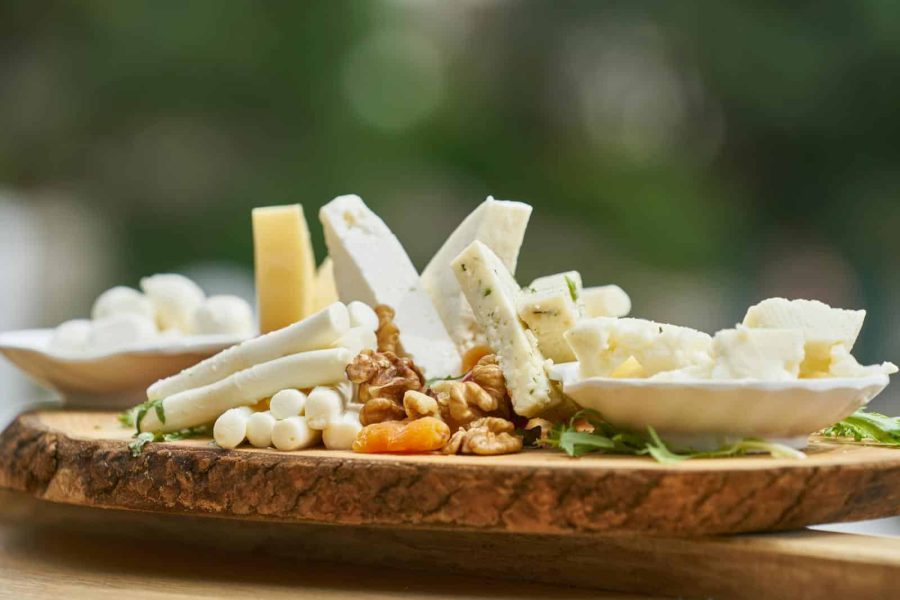
Cheese isn’t just tasty—it’s a heavyweight in the Mediterranean diet lineup. It offers vital nutrients and jazzes up your meals with its rich flavors. Dairy delights like regular fat cheese and yogurt are mainstays, with goat and sheep cheese making frequent appearances (Olive Tomato). Dive into a world of flavors with different cheeses, especially the fermented kinds that pack a punch.
| Nutrient | Benefits |
|---|---|
| Protein | Keeps you satisfied and feeling full longer (Nutrition Australia) |
| Low Glycemic Index | Aids in balancing blood sugar levels |
| Calcium | Strengthens bones, cutting fracture risk by 5% per 30g of cheese eaten daily (PubMed Central) |
Eating cheese is linked to lower risks of death from any cause and heart disease, hinting at its moderate health perks (PubMed Central).
Cheese Recommendations in Mediterranean Diet
In this diet, aim for 2-3 dairy servings a day, with an emphasis on bold cheeses. Here’s how to add cheese to your meals smartly:
- Bold Cheeses: Sprinkle a bit of strong, flavorful cheeses like feta or Parmesan. A little goes a long way!
- Balance: Say no to over-processed cheese and embrace the natural, fermented goodies.
- Yogurt: Pick plain, fermented, and Greek yogurt instead of the sugary, flavored versions (EatingWell).
| Cheese Type | Serving Size | Flavor Profile |
|---|---|---|
| Feta | 1 oz | Tangy and rich flavor |
| Parmigiano-Reggiano | 1 oz | Nutty and savory taste |
| Ricotta | 1/2 cup | Mild and creamy |
| Halloumi | 1 oz | Salty with a firm texture |
| Goat’s Milk Cheese | 1 oz | Tangy and creamy |
For cheese lovers, explore our section all about Mediterranean cheese picks.
Adding cheese to your dishes fits the Mediterranean vibe, bringing protein, calcium, and other nutrients to the table, which is great for health and weight loss goals. Team it up with Mediterranean favorites like olive oil, fresh veggies, and whole grains. For more mealtime inspiration, check out our mediterranean diet recipes and mediterranean diet meal plan. Stay tuned to discover more about the mediterranean diet benefits.
Types of Mediterranean Cheeses
Cheese isn’t just a topping; it’s a mood lifter and culinary star in the Mediterranean diet. The variety is as wide as the Mediterranean Sea itself, each chunk bursting with a story of flavor. Here’s how some favorites like feta, Parmigiano-Reggiano, ricotta, halloumi, and goat’s milk cheese steal the spotlight and why you’ll want them all in your fridge.
Feta Cheese
Think Greece, think feta. This crumbly, tang-tastic cheese made mainly from sheep’s milk, sometimes mixed with goat’s milk, is about as zesty as it gets. Ideal for tossing on salads, sliding into dips, or making your burger sing. Feta transforms any dish into a party on your plate.
| Nutritional Value (per ounce) | Feta Cheese |
|---|---|
| Calories | 75 |
| Protein (g) | 4 |
| Fat (g) | 6 |
| Carbs (g) | 1 |
For more tasty ideas, swing by our mediterranean diet recipes page.
Parmigiano-Reggiano
Meet the king of cheese, Parmigiano-Reggiano – that rich, umami-packed wonder from Italy. Aged for a year, its hard, crumbly goodness is perfect for shaving over pasta, soups, or risottos. It’s the cheesy cornerstone of countless Mediterranean meals.
| Nutritional Value (per ounce) | Parmigiano-Reggiano |
|---|---|
| Calories | 110 |
| Protein (g) | 10 |
| Fat (g) | 7 |
| Carbs (g) | 1 |
Hungry for more? Peek at our mediterranean diet dinner recipes.
Ricotta Cheese
Ricotta, the soft, creamy darling of Italy, is a sweet-ish touch to everything from stuffed shells to pancakes. Made by reheating leftover whey, it’s the classic secret weapon that turns any dish into a Mediterranean masterpiece.
| Nutritional Value (per ounce) | Ricotta Cheese |
|---|---|
| Calories | 50 |
| Protein (g) | 3 |
| Fat (g) | 4 |
| Carbs (g) | 1 |
Curious about breakfast with a Mediterranean twist? See our mediterranean diet breakfast ideas.
Halloumi Cheese
Halloumi, the cheese that won’t melt no matter how hot-headed it gets. Grill it, bake it, or sear it – the firm texture and mild salty bite makes it the hero of BBQs and salads. Try it in a dish like Shawarma-Spiced Halloumi and veggies, it’s a crowd-pleaser.
| Nutritional Value (per ounce) | Halloumi Cheese |
|---|---|
| Calories | 85 |
| Protein (g) | 6 |
| Fat (g) | 7 |
| Carbs (g) | 0 |
Check out more snacktime delights on our mediterranean diet snacks page.
Goat’s Milk Cheese
Tangy; that’s the essence of goat’s milk cheese. Known as chevre, this cheese can range from firm to soft and creamy. Great on toast, stirred in dips, or crumbled over greens, it brings a fresh twist to every bite.
| Nutritional Value (per ounce) | Goat’s Milk Cheese |
|---|---|
| Calories | 75 |
| Protein (g) | 5 |
| Fat (g) | 6 |
| Carbs (g) | 0 |
To get the full scoop, pop over to our mediterranean diet food list.
These cheeses offer a ticket to creamy, crumbly, and oh-so-nutritious greatness. Each brings unique flair to the Mediterranean table and ensures your meals are anything but boring. Ready to start your cheesy adventure? Check out our what is the mediterranean diet page.
Health Benefits of Mediterranean Diet with Cheese
Nutritional Value of Cheese
Cheese isn’t just tasty—it packs a punch with nutrients that’ll have you feeling your best. When you’re hanging out with the Mediterranean diet, cheese is like that cool friend who brings proteins, vitamins, and minerals to the party. It even helps keep your blood sugar levels stable, thanks to its low glycemic index. Plus, cheese fills you up so you don’t feel the urge to snack like there’s no tomorrow. Check out these numbers for some of your favorite Mediterranean cheeses:
| Cheese Type | Protein (g) | Fat (g) | Calcium (mg) | Calories |
|---|---|---|---|---|
| Feta | 5.2 | 6.0 | 140 | 75 |
| Parmigiano-Reggiano | 8.5 | 7.0 | 300 | 110 |
| Ricotta | 3.3 | 10.0 | 200 | 100 |
| Halloumi | 7.5 | 8.6 | 430 | 130 |
| Goat’s Milk Cheese | 6.0 | 9.0 | 300 | 103 |
These numbers give you a peek into how cheese can jazz up your nutrition game without ruining the balance on your plate. Want some fresh ideas on making the most out of cheese? Swing by our mediterranean diet meal prep guide.
Impact on Heart Health
Here’s the scoop: munching on cheese as part of your Mediterranean diet can actually give your heart a little love. There’s science backing this up—folks who eat cheese seem to dodge things like heart disease and strokes more often than those who don’t. The secret might lie in its calcium, potassium, and magnesium. Eating in moderation is the name of the game, blending cheese with good stuff like fruits, veggies, and whole grains. For pro tips, head over to our mediterranean diet for heart health.
Connection to Reduced Disease Risks
Mixing cheese into your Mediterranean diet isn’t just about the yum factor. It’s like a small step that can make a big difference, with studies showing it might lower the risk of chronic illnesses. Stick around 40 grams a day and you’re golden. This amount helps with things like extending your lifespan. Oh, and there’s more good news—this diet also helps with things like keeping diabetes at bay. If you’re watching your blood sugar, cheese could be your new best friend! Dig deeper with our Mediterranean diet to manage diabetes.
Enjoying cheese while relishing the Mediterranean way of living can be both a treat and a strategy to savor health. For more inspiration on meals and mix-and-match ideas, check out our mediterranean diet food list and mediterranean diet recipes. Whether you’ve been noshing on it for years or just getting started, cheese has got your back.
Incorporating Cheese into Your Mediterranean Diet
Tips for Including Cheese
Adding cheese to your Mediterranean diet can be a tasty and healthy move if done right. Here are some handy tips to sneak cheese into your meals without going overboard:
-
Pick the Right Cheese: Opt for Mediterranean favorites like feta, Parmigiano-Reggiano, ricotta, halloumi, and goat cheese. These cheese types are packed with nutrients and fit the Mediterranean style nicely.
-
Don’t Overload Your Plate: It’s tempting to go cheese-crazy, but moderation is the name of the game. Strong-flavored cheeses like feta or Parmesan can work wonders in smaller doses, letting you savor the flavor without the calorie overload.
-
Go for Quality, Not Quantity: Choose top-notch cheese that’s minimally processed. Skip the overly processed stuff and look for ones with simple, wholesome ingredients.
-
Add Some Fermented Goodness: Fermented dairy, like Greek yogurt, is gut-friendly and can jazz up snacks, breakfast, or even salads.
-
Balance with Plants: Team up cheese with loads of veggies, fruits, and whole grains to balance out your meals, keeping the Mediterranean spirit alive.
Pairing Cheese with Mediterranean Ingredients
Pairing cheese with other Mediterranean goodies should be both yummy and nutritious. Here’s how you can mix and match like a pro:
-
Feta and Veggies: Crumble feta over Greek salads with olives, tomatoes, cucumbers, and a drizzle of olive oil. It’s simple and packed with flavor.
-
Parmigiano-Reggiano and Whole Grains: Shower Parmigiano-Reggiano over whole-grain pasta or risotto. Throw in fresh herbs like basil or parsley for an extra kick.
-
Ricotta for Dessert and Breakfast: Ricotta’s not just for lasagna! Use it in desserts like cheesecake or on whole-grain toast with honey and fruit for breakfast.
-
Halloumi with Grilled Treats: Grill halloumi and pair it with vegetable skewers or roasted peppers. Its firm texture and savory taste are perfect accents.
-
Goat Cheese with Fruits and Nuts: Team up goat cheese with figs, grapes, or pears. Toss in some walnuts or almonds for a snack that’s both tasty and nutritious.
Here’s a cheat sheet for your cheese and Mediterranean combos:
| Cheese Type | Mediterranean Match |
|---|---|
| Feta | Greek Salad, Olives, Tomatoes, Cucumbers |
| Parmigiano-Reggiano | Whole-Grain Pasta, Risotto, Fresh Herbs |
| Ricotta | Whole-Grain Toast, Honey, Fresh Fruit |
| Halloumi | Grilled Veggies, Veggie Skewers, Mezze Platters |
| Goat Cheese | Figs, Grapes, Pears, Nuts |
For more tasty Mediterranean recipes, check out our collection of Mediterranean Diet Recipes and Dinner Ideas. Tossing cheese into your Mediterranean way of eating can boost flavors while keeping things healthy and heart-friendly!
Sustainable Aspects of Mediterranean Diet
Environmental Impact of Diet
Switching to the Mediterranean Diet isn’t just good news for your body—it’s a boon for the planet too. An Italian study from 2019 found that folks sticking to this diet are leaving a much smaller carbon footprint behind. While those dining on Current Italian Food Patterns (CIFP) ended up with a hefty 6.54 kg of CO2 equivalent, Mediterranean diet fans brought it down to just 2.7 kg CO2 eq—less than half (NCBI). That kind of change adds up, possibly saving up to 2,000 kg of carbon emissions per person each year.
| Type of Diet | Carbon Emissions (kg CO2 eq) |
|---|---|
| CIFP | 65.4 |
| Mediterranean | 27.0 |
Taking a page out of the MD playbook means cutting back on meat and sugar. Why is that huge? Because these foods come with high eco-costs. The MD prefers plants and healthy fats, which means you’ll be eating green while staying green. Want to get started reducing your footprint and your waistline? Our guide on how to start the Mediterranean diet is the perfect place to begin.
Economic and Health Implications
Here’s the kicker: the Mediterranean Diet isn’t just good for the Earth and your health—it’s good for your wallet too. That same study showed that if folks cut back on meat, sweets, and takeout, they could pocket an extra $53 each year. With everybody on board, that’s a nationwide saving of $3.2 billion! (NCBI).
| Savings Area | Savings Amount |
|---|---|
| National Spending | $3.2 billion |
| Per Person | $53 annually |
| CO2 Savings | 2,000 kg CO2 eq/person |
The health perks are just as awesome. The MD is linked to less heart disease and diabetes, plus other health issues linked to those junk-filled Western diets. Looking to lose a few pounds? The Mediterranean Diet keeps things tasty yet healthy! For some food inspiration, dive into our Mediterranean diet recipes and meal plan options Mediterranean diet meal plan.
By sticking to a diet that’s good for you and the environment, you’re basically a superhero for your health and the Earth. Want to know how the Mediterranean Diet keeps your heart ticking and wards off chronic disease? Check out our detailed section on Mediterranean diet and heart health.