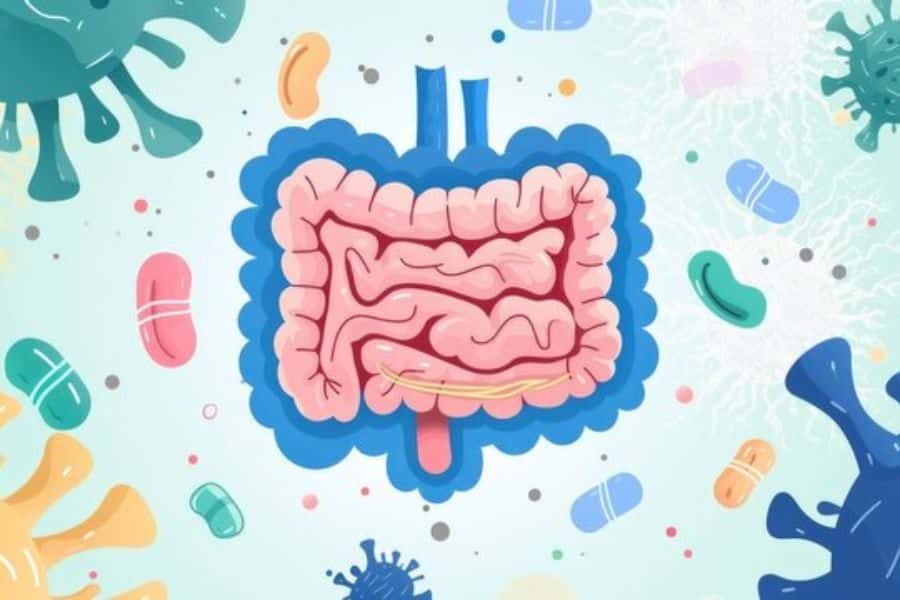
Understanding Probiotics for Babies
Importance of Probiotics
Probiotics, those tiny friendly bacteria, are like little health superheroes for your baby. They work wonders when you include them in your baby’s diet in the right amounts. These good guys help keep your baby’s gut in tip-top shape and can prevent some health troubles from knocking at the door. They buddy up with your baby’s immune system, potentially keeping nasty tummy issues at bay and boosting overall well-being.
As your baby grows, their guts are busy building up their own little bacterial army. Feeling like this process could use a little boost? Probiotics are here to help. They get your baby’s tummy teeming with beneficial bacteria, supporting natural development and keeping those germs in check.
Lots of probiotics are already hanging out in breast milk and some baby formulas. Picking these natural options could give a leg up to your baby’s health journey.
Benefits for Infant Health
Why should you care about probiotics for your baby? Here are a few reasons:
- Mega Immune Support: Probiotics help whip up a rock-solid immune system. They’re like a health shield, fending off infections, allergies, and some pesky autoimmune troubles. Keeping your baby’s microbiome in harmony is key to a happy immune system.
- Tummy Trouble Tamer: Got a baby with the grumbles? Probiotics might be the answer to easing their discomfort from things like colic and acid reflux, offering both baby and you a chance for some zzzz’s.
| Goodies for Health | What’s the Scoop? |
|---|---|
| Mega Immune Support | Boosts immune health, fights off infections, allergies, and autoimmune issues. |
| Tummy Trouble Tamer | Dials down colic, reflux, and other tummy woes. |
Want to dig deeper into how probiotics help? Check out our article on probiotics benefits. Looking for the ideal probiotic strains for your little one? Swing by our guide on probiotics for infants.
Adding probiotics to your baby’s life can seriously kick up their health and growth. Think of them as the good guys in your baby’s diet, ready to set up shop in their tummy, ensuring health and happiness all around.
Specific Benefits of Probiotics
Improving Digestion
Your kiddo’s tummy just met its new best friend—probiotics! These little helpers break down nutrients and ensure your baby absorbs all the good stuff. Think of them as the cheerleaders of the digestive system, keeping things running smoothly. Probiotics strengthen that all-important intestinal barrier, keeping things moving along without hiccups like constipation or tummy troubles. Want to dive deeper? Check out probiotics for digestion.
| Benefit | How It Helps |
|---|---|
| Breakdown of Nutrients | Boosts nutrient absorption |
| Improved Gut Movement | Lessens constipation woes |
| Stronger Gut Barrier | Enhances overall gut wellness |
Strengthening Immune System
Is there anything probiotics can’t do? Apart from making digestion smoother, they’re also the immunity warriors your baby deserves. By fixing up the gut microbiome, they help set up a strong immune shield against pesky infections, allergies, and those annoying auto-immune issues. This is one power-packed package that helps keep stuffy noses and sneezes at bay. Want to keep your baby sniffle-free? Head over to probiotics for immune system.
| Benefit | How It Protects |
|---|---|
| Fewer Infections | Boosts the body’s defenses |
| Allergy Buster | Lowers risk of allergies |
| Immune System Balance | Promotes overall health |
Managing Colic Symptoms
Colic? Acid reflux? Probiotics might just be your MVP. They’re known to ease the crankiness tied to these uncomfortable conditions by soothing digestive distress. Imagine fewer fussy nights and more peaceful Zzz’s for everyone at home. Research backs this, showing that probiotics can lessen colic symptoms by harmonizing gut bacteria and reducing gas. For more on keeping colic in check, swing by probiotics for infants.
| Benefit | How It Soothes |
|---|---|
| Less Gas, Less Bloat | Reduces tummy discomfort |
| Better Sleep for All | Eases nighttime disruptions |
| Harmonized Gut Flora | Keeps gut bacteria in balance |
Bringing probiotics into your baby’s life means happier tummies, stronger defenses, and less colicky chaos. For a full breakdown of all the wonders probiotics can do, explore probiotics benefits.
Probiotics for Specific Conditions
When it comes to probiotics for the little ones, there’s more to it than just good gut vibes. From battling diaper-destroying diarrhea caused by antibiotics to calming eczema and keeping those tiny tummies happy, the benefits are pretty sweet. Let’s crack open the benefits for your bundle of joy.
Antibiotic-Associated Diarrhea
Ever noticed how antibiotics can be like a traffic jam that clears out all kinds of bacteria, even the good guys? That’s where probiotics slide into action, bringing back the balance and reducing the misery of antibiotic-associated diarrhea in infants. The MVPs here include L. rhamnosus GG, S. boulardii, and L. acidophilus—think of them as the gut’s knights in shining armor.
| Probiotic Strain | Effectiveness on AAD |
|---|---|
| L. rhamnosus GG | High |
| S. boulardii | High |
| L. acidophilus | Moderate |
Use these strains to cut diarrhea’s encore short, giving much-needed relief during or even after antibiotic treatment.
Get into the nitty-gritty in our full article on probiotics for diarrhea.
Eczema Prevention
The itchiness and rashes from eczema can turn a good day bad real quick. But here’s the cool thing: certain probiotics like L. rhamnosus GG work like a soothing charm, reducing the chance of developing eczema and easing the symptoms by boosting your baby’s immune health (NCBI PMC).
Sneaking probiotics into your infant’s diet isn’t just good for their tummy – it’s skin-saving magic! This tiny addition can tame inflammation and lend a hand to healthy skin. Dig deeper into this with our article on probiotics for eczema.
Gastrointestinal Conditions Relief
The wonders of probiotics aren’t limited to diaper dilemmas. They are essential for keeping your baby’s digestive system on the go. Keeping that tiny gut in check can prevent nasty issues like infectious gastroenteritis, C. difficile-associated diarrhea, and nosocomial diarrhea. Meet the all-stars: L. rhamnosus GG, Saccharomyces boulardii, and the powerful combo of L. acidophilus and L. casei (Cleveland Clinic).
| Condition | Effective Probiotic Strain |
|---|---|
| Infectious Gastroenteritis | L. rhamnosus GG, S. boulardii |
| C. difficile-associated Diarrhea | S. boulardii, L. rhamnosus GG |
| Nosocomial Diarrhea | L. rhamnosus GG |
Choosing the right strain could mean fewer sleepless nights and happier days for both of you. It’s like a digestive whisperer for your baby’s tummy troubles.
There’s always more to the probiotic story. Browse through our reads on probiotics for gut health and probiotics benefits for all the details you’ve ever wanted.
Picking the Best Probiotics
Finding the right probiotics for your little one can work wonders for their health. Let’s chat about what you should keep in mind to snag the ideal probiotic strains for your baby.
Best Probiotic Picks
Certain probiotic strains have some pretty incredible effects on babies. Check out these top choices and why they’re so great:
| Probiotic Strain | Benefits |
|---|---|
| Bifidobacterium longum subsp. longum | Reduces colic and crying (Canadian Digestive Health Foundation) |
| Pediococcus pentosaceus | Lessens colic symptoms (Canadian Digestive Health Foundation) |
| Lacticaseibacillus rhamnosus GG ATCC53103 | Prevents hospital-acquired diarrhea (NCBI PMC) |
| Saccharomyces boulardii CNCM I-745 | Helps with Clostridioides difficile-associated diarrhea (NCBI PMC) |
| Limosalactobacillus reuteri DSM 17938 | Shortens diarrhea and hospital stays (NCBI PMC) |
Every strain comes with its own perks to give your baby’s digestion, immunity, and wellbeing a boost. Want to dive deeper? Check our article on probiotics benefits for more details.
What to Keep in Mind
You’re choosing probiotics for your baby. Let’s talk about what you gotta keep your eyes on to keep it safe and effective.
Age Match
Not all probiotics work for little ones. Look for strains and products crafted for your baby’s age. Peek at the package or chat with your doctor to make sure what you’ve got is right.
Health Goals
Pinpoint what health bump you’re aiming to smooth over, whether it’s colic, diarrhea, or eczema. Different strains tackle different issues:
- For colic, go for Bifidobacterium longum subsp. longum or Pediococcus pentosaceus.
- If you’re on diarrhea patrol, Lacticaseibacillus rhamnosus GG ATCC53103 is a solid pick.
Form of the Product
Probiotics show up in different ways like powders, drops, and chewables. Pick one that fits easily into your baby’s eating habits. Drops can mix with milk or formula, making life simple for small bellies.
Quality Check
Opt for top-notch probiotics free from harmful stuff. Hunt for products that have been rigorously tested. Packaging should list those nifty strains and how many colony-forming units (CFUs) are inside.
Storage Smarts
Some probiotics need a chill spot to stay effective. Always peek at the storage directions to make sure they’re still doing their job when you give ’em to your kiddo.
Keep these things in your back pocket, and you’ll be wisely choosing probiotics that fit your baby perfectly. Feeling in doubt? Get some expert advice from your pediatrician with tailored tips and tricks. For more parenting gems, pop over to our articles on probiotics for infants and probiotics for kids.
Safety and Precautions
Thinking about giving your baby probiotics? It’s a good idea to first suss out the safety and any possible bumps in the road. Let’s dive in!
Age Recommendations
Your pal Dr. Beth Loveridge-Lenza, a pediatric stomach whiz, suggests waiting until your little one is past the half-year mark before considering probiotic supplements. Deciding whether they’re a good fit depends on your baby’s health and history, so chat it out with your doc (Hackensack Meridian Health).
Also, the American Academy of Pediatrics (AAP) isn’t all gung-ho about probiotics for young kids, mainly ’cause the science is a bit murky on the pros and cons.
Here’s the skinny:
| Age Group | Recommendation |
|---|---|
| Infants (0-6 months) | Not recommended |
| Babies (6+ months) | Check with your doc |
Even if probiotics are in breast milk or formula, it’s wise to have a word with your pediatrician before shaking things up with new supplements.
Potential Risks and Side Effects
Generally, probiotics are safe for kiddos thanks to the natural good-for-you microbes, but let’s not throw caution to the wind. The peeps at Cleveland Clinic note that kids with low immune systems, like those on certain meds, critically ill, or born early, are at a higher risk of having a tough time with probiotics.
A few side effects to watch out for:
- Little tummy troubles like gassy moments and feeling puffy.
- More chances of catching infections for those tiny preemies or kids with not-so-great immune defenses.
To play it safe, keep these tips up your sleeve:
- Start with baby steps and see how your kiddo does.
- Pick products marketed for babies.
- Store them right to keep ’em working properly.
If you’re thinking about probiotics for your family, get the lowdown on probiotics for children to broaden your horizon, and always lean on the advice of healthcare pros for plans that fit like a glove.
Ways to Introduce Probiotics
Probiotics, the friendly neighborhood bacteria and yeasts, play a crucial role in keeping your baby’s tummy and overall health in check. You can weave these tiny wonders into their diet through everyday foods or supplements, making them a staple in their growth journey.
Natural Sources
Why go for capsules when you can get these from delicious bites? Most docs would vote for kiddos getting probiotics the tasty way, through these foods:
- Yogurt: The popular dairy delight loaded with good bacteria. Stick with plain to skip the sneaky sugars.
- Kefir: Think of it as yogurt’s tangier sibling. This drink is a probiotic powerhouse and a fab addition to their menu.
- Sauerkraut: Cabbage’s fun fermented form. Introduce it gently, bit by bit, so your mini’s digestive system gets used to it.
- Kimchi: A spicy, tangy veggie dish. Perfect for older munchkins and a treat if they can handle a little kick.
These goods not only jazz up meals but also boost your child’s gut health and may ease things like eczema and tummy troubles like diarrhea. For a deeper dive into naturally probiotic-packed munchies, check our piece on probiotics in yogurt.
Supplements vs Foods
Stuck between probiotics from the pantry or the pillbox? Each has its perks.
| Probiotic Foods | Probiotic Supplements | |
|---|---|---|
| What’s Inside | They’re naturally in swag such as yogurt, kefir | Pills, powders, chewables |
| Absorb This | Often great because they’re packed with other goodies | Straight-up, highly focused servings |
| Ease of Use | Some assembly might be required and fussy eaters can complicate things | Grab, go, and gulp |
| Price Tag | Easy on the wallet, especially homemade | Costs range; some might make the wallet wince |
| Specifics | Varied mix of strains and amounts | Clearly listed strains and how much you’re getting |
Supplements promise precision, but some folks say foods might help the body welcome them better (WebMD supports this). A few studies hint that expecting moms popping these during pregnancy might shield their baby from eczema, assuming eczema runs in the clan, though experts are still digging for answers (WebMD backs this).
Food sources of probiotics usually bear less worry and bring extra nutrients along for the ride (WebMD comforts us here). Yet, supplements win the convenience crown plus guarantee the exact good bacteria strain you need, especially handy when tackling certain health hiccups.
If introducing probiotics into your tot’s routine safely sounds like your jam, cruise through our guides on probiotics for infants and probiotics for kids.
By sprinkling these friendly microbes into their meals, you’re doing a solid for their growing bellies, possibly smoothing out digestion bumps and buffing their defense mechanisms for smiles all around and bouncy, healthy days ahead.