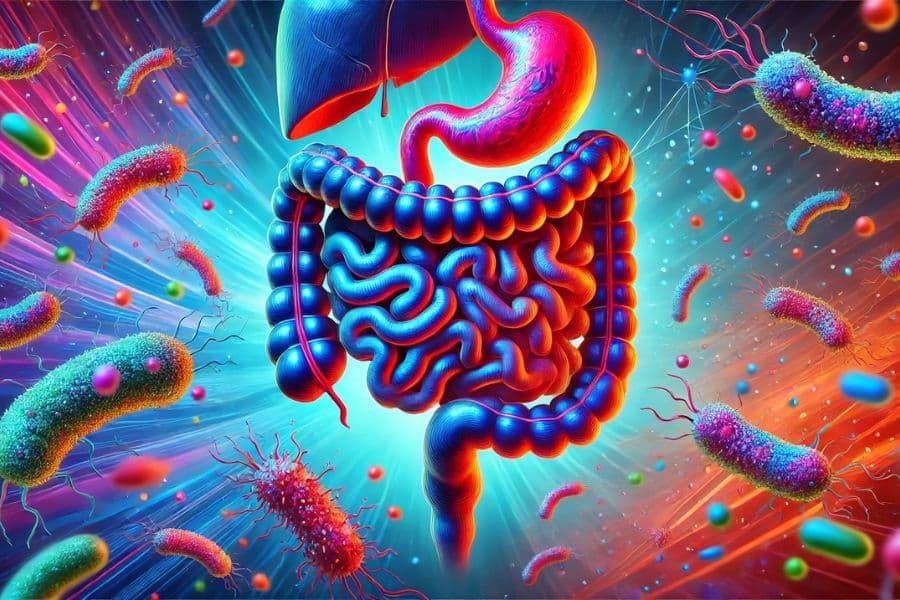
Understanding Probiotics for Children
Introduction to Probiotics
So here’s the scoop: Probiotics are these tiny star players—live bacteria and yeasts—that bring serious benefits to your body, especially to your gut. They’re like the good guys in your belly that help keep the bad guys away. Probiotics work to kick nasty bacteria, fungi, viruses, and parasites to the curb while boosting your immune system and overall health. You can find these good guys in certain foods and those handy-dandy supplements.
Curious about some top probiotics for the young ones? Don’t miss our good reads on the best probiotics supplements for some eye-opening insights.
Benefits of Probiotics for Children
Giving your kiddos some probiotics isn’t just about keeping their tummy happy; it’s got perks that spread to things like their skin and immune defenses, too. According to the pros at Geisinger Health and Wellness, here’s a quick rundown on the payoffs:
- Kicking Diarrhea to the Curb: Probiotics can shut the front door on diarrhea faster, especially the kind that’s from infections.
- Keeping Eczema at Bay: Some studies show probiotics might help put a lid on eczema before it even starts in babies.
- Soothing IBS Woes: Probiotics give a hand to those dealing with irritable bowel syndrome.
- Pumping Up the Immune System: They give the immune system a boost, making those colds a bit less frequent.
| Health Benefit | Description |
|---|---|
| Digestive Health | Keeps things moving smoothly in the gut. Helps tackle diarrhea, constipation, and acid reflux (Healthline). |
| Immune System Support | Gives the immune system a pep talk, cuts down on sick days. |
| Skin Health | Fights back against skin troubles like eczema (Geisinger). |
| Brain Development | Helps the brain and mood get their groove on (Children’s Health). |
For an insider’s look at how probiotics can zap away eczema, check out our detailed spot on probiotics for eczema.
Thanks to these trusty little helpers, your child’s wellness can really take off. Add probiotics to their daily routine and watch them grow a little healthier and happier each day. Want to dive into how probiotics work for different ages? Look no further than the insights on probiotics for babies and probiotics for toddlers.
Types of Probiotics
Finding the right probiotics for kids can feel like a maze. Let’s break it down with three top contenders: Lactobacillus, Bifidobacterium, and Saccharomyces boulardii. These mighty bacteria buddies can give your child’s health a real boost.
Lactobacillus Strains
Lactobacillus is like the superhero of probiotics, often hanging out in yogurt and other fermented goodies. Each strain packs its own punch:
- Lactobacillus rhamnosus GG: This one’s like a tiny guardian angel when it comes to keeping diarrhea in check (WebMD).
- Lactobacillus acidophilus: Helps little bellies digest food better and can chill out lactose intolerance vibes (WebMD).
| Lactobacillus Strain | What It Does |
|---|---|
| Lactobacillus rhamnosus GG | Fights off diarrhea |
| Lactobacillus acidophilus | Smooths digestion, eases lactose intolerance |
Need more juicy details? Swing by our probiotics benefits page.
Bifidobacterium Strains
Next up, Bifidobacterium—your friendly gut detective, mostly lurking in dairy. It’s got your child’s digestive back:
- Bifidobacterium infantis: Helps tackle those pesky IBS symptoms (WebMD).
- Bifidobacterium breve: Keeps things moving in the digestive system and can lessen constipation (WebMD).
| Bifidobacterium Strain | What It Does |
|---|---|
| Bifidobacterium infantis | Soothes IBS annoyances |
| Bifidobacterium breve | Bolsters gut health, kicks constipation |
Curious about more? Check out our pages on probiotics for constipation and probiotics for gut health.
Saccharomyces boulardii
Saccharomyces boulardii is a bit different—it’s a yeast wonder, sprucing up the digestive scene:
- Diarrhea Buster: Great at fending off and addressing diarrhea, even the kind antibiotics try to sneak in (WebMD).
- Gut Balance Pro: Keeps your child’s gut flora merry and healthy.
| Saccharomyces boulardii | What It Does |
|---|---|
| Fights diarrhea | Takes on a variety of diarrhea troubles |
| Gut balance | Keeps the good vibes in your intestines going strong |
For more scoop on keeping bellies happy, mosey on over to probiotics for diarrhea and probiotics for digestion.
Grasping these probiotic players helps you zero in on what’s ideal for your kiddo’s health needs. Check out our go-to sources for probiotics for infants and probiotics for kids.
Safety and Considerations
Figuring out probiotics for your little one? It’s all about making sure you know the score—think safety, chatting with the doc, and picking the right ones.
Safety of Probiotics for Children
Most kids can handle probiotics just fine, but if your child is battling something serious like a weak immune system, cancer, or was born real early, it’s probably best to steer clear. Here’s a quick cheat sheet:
| Child Situation | Probiotics’ Safety |
|---|---|
| Healthy | Generally Okay |
| Low Immune System | Nope |
| Cancer | Nope |
| Premature Infants | Nope |
For the rest of the kiddos, it’s usually smooth sailing. Just keep an eye out to see how they react and make sure everything stays good.
Consulting a Pediatrician
Before you toss probiotics into their routine, have a word with your kid’s doc. They’ll steer you in the right direction, whether it’s about picking strains or figuring out right amounts.
Docs help with:
- Which strains suit your kid
- How much to give
- Possible crossovers with meds
- Targeting issues like upset tummies or eczema (probiotics for eczema)
Choosing the Best Probiotic
Picking the right probiotic is all about understanding what your child needs.
-
Strains: Look for strains fit for your kid’s wellness goals. Lactobacillus and Bifidobacterium are always popular (probiotics for gut health).
-
Form: They come as pills, gummies, or tasty food like yogurt and kefir. Each has its own spin. Check out more probiotic options for your kid.
-
Quality: Grab stuff from a brand you trust and make sure it’s fresh enough to work.
Recommended Probiotic Foods for Kids
Probiotic foods are a yummy way to boost those good gut bugs. Here’s the star cast:
| Food | Probiotic Kind |
|---|---|
| Yogurt | Lactobacillus |
| Kefir | Lactobacillus, Bifidobacterium |
| Kombucha | Saccharomyces boulardii |
| Pickles | Lactobacillus |
| Tempeh | Bifidobacterium |
For more on foods that make your kid’s tummy happy, check our probiotics for yogurt guide.
By focusing on safety, teaming up with a doc, and going for the right probiotic, you’ve got your kid’s well-being and tummy party handled. For extra tips on starting probiotics, dive into our comprehensive guide.
Probiotics for Specific Health Conditions
Adding probiotics to your kid’s diet can bring a bunch of health perks. Let’s check out how these tiny helpers can support different health issues.
Digestive Issues
Probiotics, the friendly bacteria, are great for keeping your gut in shape. Doctors often suggest them for dealing with tummy troubles like being backed up, heartburn disasters, IBS (which is just a fancy name for a sensitive stomach), and even those pesky bouts of the runs.
| Condition | Probiotic Buddies to Try |
|---|---|
| Backed Up (Constipation) | Bifidobacterium lactis, Lactobacillus casei |
| Heartburn Misery (Acid Reflux) | Lactobacillus reuteri |
| IBS (Touchy Tummy) | Bifidobacterium infantis, Lactobacillus rhamnosus GG |
| The Runs (Infectious Diarrhea) | Lactobacillus rhamnosus GG, Saccharomyces boulardii |
Want the full scoop on probiotics for tummy troubles? Dive into our piece on probiotics for digestion.
Immune System Support
Probiotics could be your kiddo’s immune system’s best friend, helping fight off germs by getting the good guys in the gut to start a party. Some research even hints that kids on probiotics might end up with fewer sniffles and colds that don’t last forever.
The go-to probiotic strains for cranking up immune health are:
- Lactobacillus rhamnosus GG
- Bifidobacterium animalis subsp. lactis
- Lactobacillus acidophilus
Looking for a deep dive on making your child’s immune system superhero-strong with probiotics? Pop over to probiotics for immune system.
Eczema and Skin Conditions
When it comes to handling skin stuff like eczema, probiotics might be a game-changer. Some studies show that particular probiotics can prevent or dial down eczema flare-ups, especially if allergies run in the fam.
| Skin Situation | Helpful Probiotic Buddies |
|---|---|
| Eczema Drama | Lactobacillus rhamnosus GG, Bifidobacterium bifidum |
| Other Skin Stuff | Lactobacillus plantarum, Lactobacillus paracasei |
For extra deets on skin happiness via probiotics, browse our article on probiotics for eczema.
Whether it’s tackling tummy woes, supercharging immune power, or smoothing out skin issues, probiotics can be a natural go-to. Need some pointers on picking the right probiotics? Check out our guide on probiotics for kids.
Probiotic Options
Figuring out how to slip probiotics into your kid’s life doesn’t have to be a headache. You’ve got three main avenues: loading up on probiotic-rich foods, going the supplement route, or popping gummy probiotics. Let’s break it down.
Food Sources of Probiotics
Using foods as your probiotic go-to means you’re boosting your child’s tummy health the good ol’ natural way. Plus, these grub choices are vitamin superheroes that you can whip up at home. That way, no sweat adding them to your family’s dinner menu.
Here’s a taste of probiotic powers in kid-friendly foods:
| Food | Probiotic Power Level |
|---|---|
| Yogurt | High |
| Kefir | High |
| Kombucha | Medium |
| Pickles | Medium |
| Olives | Medium |
| Cheese | Low |
| Tempeh | Low |
| Tepache | Medium |
These goodies will help keep those tiny bellies happy and healthy. They’re like tiny warriors for your kid’s gut!
Probiotic Supplements
If your kiddos give the side-eye to those probiotic-packed foods, supplements might be your knight in shining armor. They come in handy for keeping digestive peace, easing food allergies, and boosting their overall gut situation.
Probiotic supplements roll in like this:
- Capsules
- Powders
- Liquids
- Chewable tablets
For your kids, you might wanna go for powders or liquids—easier to sneak into their morning oatmeal or favorite drink. But always have a quick word with your kid’s doc to nail down the right supplement vibe and dose. Got some more questions? We’ve got a detailed guide on probiotic supplements.
Gummy Probiotics
For kiddos who think veggies are from another planet, gummy probiotics can be your new best friend. They’re sweet without the fights, and some even taste like candy, making it a cinch to up their probiotic game. They’re especially useful for warding off tummy trouble post-antibiotics.
Of course, keep an eye on the sugar level and ditch the overly sweet ones. Aim for brands that keep it tasty but healthy. Always have a chat with the pediatrician to make sure these gummies are cool for your kiddo.
Whether you’re dishing up probiotic foods, popping a supplement, or sneaking a gummy now and then, there’s a way to make probiotics your kid’s new best friend! For more handy tricks, check out our piece on introducing probiotics to youngster’s diets.
Tips for Using Probiotics
Starting Probiotics for Children
When you’re thinking about giving your kid probiotics, it’s good to wait until they’re past their first birthday. Not much is known about how probiotics affect really young children, so this is a safer bet. If your child is unwell or has issues with their immune system, definitely check in with a doctor first. Need info for the little ones? Peek at our advice on probiotics for babies and probiotics for toddlers.
Ease into probiotics—don’t dive in too fast. Watch how your child reacts. It’s a good idea to start with a smaller amount and work your way up. A safe goal is somewhere between 5 billion and 15 billion CFU each day.
Potential Side Effects
Probiotics are mostly safe for kids who are in good health. Big problems are uncommon, but some kids might have small hiccups like changes in how often they go to the bathroom, gas, or feeling bloated. These issues are usually minor and clear up on their own.
If your child starts having these problems:
- Stubborn gas
- Trouble pooping
- Upset stomach
Hit pause on the probiotics and see if things get better. Before you start up again, having a chat with a pediatrician is wise.
| Side Effect | How Often It Pops Up | What To Do Next |
|---|---|---|
| Gas | Pretty Common | Keep an eye out, tweak dose if needed |
| Constipation | Here and There | Stop for now and keep watching |
| Diarrhea | Here and There | Stop for now and keep watching |
| Serious Illness | Uncommon | Get in touch with a doc, stat |
Monitoring Probiotic Usage
Keeping tabs on how probiotics are affecting your child is key. Make sure they’re gaining the good stuff without any hassle. Here’s how:
- Jot Down Daily Intake:
- Track what you’re giving them and note any shifts in their health.
- Keep track of any side effects or benefits.
- Keep Watch for Side Effects:
- Look out for any tummy troubles like gas or bloating.
- If something major comes up, don’t wait to get expert advice.
- Chat with a Doc:
- Keep regular chats with the pediatrician to discuss how things are going.
- Be open to tweaking the amount or trying different probiotics based on their advice.
For more scoop on how these tiny helpers can punch up health and picking the right ones, check out our posts on probiotics benefits, probiotics for immune system, and best probiotics supplements.
Follow these tips, and you’ll be on track to using probiotics safely and effectively, giving your child’s health the boost it needs.