Understanding Probiotics
Probiotics Explained
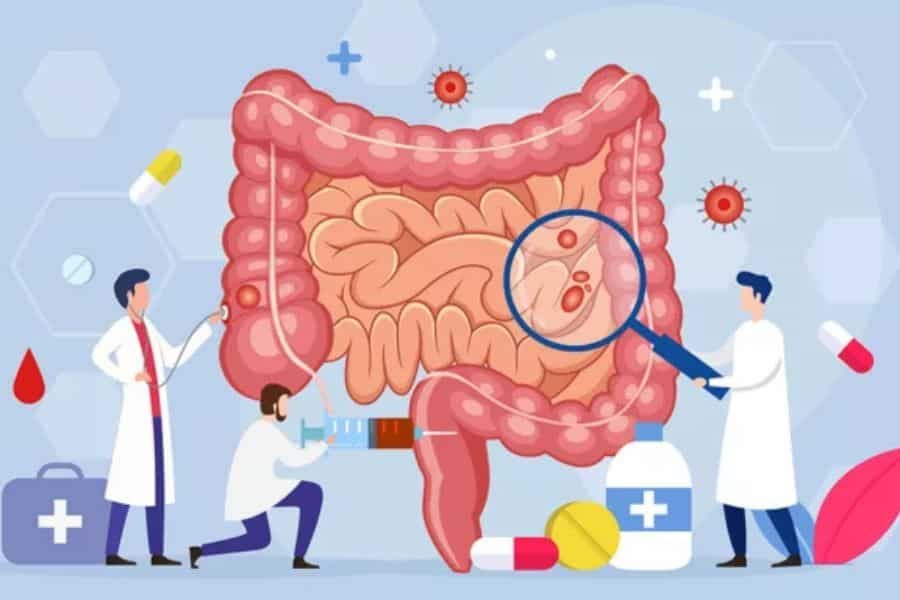
Alright, let’s chat about probiotics. They’re basically living little guys in your gut that play the hero role for your health. Think of them as your body’s good pals, busting out the karate moves to keep the bad bacteria at bay. These probiotics do wonders for your tummy and overall health by keeping things in balance down there.
Pesky infections? Probiotics are like little soldiers, amping up your immunity and taking on those nasty germs. You mainly find them in yummy fermented stuff like yogurt. It’s cool for kiddos to start on yogurt with live cultures once they’re munching on solids, usually around 4 to 6 months (BabyCenter).
Benefits for Health
Now let’s get into why these little critters are so great, especially for the wee ones. Here’s how they help:
-
Digestive Health: Got a case of the grumbles? Probiotics are your gut’s best friend, easing conditions like IBS and diarrhea. They keep your belly’s ecosystem buzzing just right, which is key for breaking down food and soaking up nutrients (WebMD). Curious? Read more about probiotics for digestion.
-
Immune System: Want your body’s defense squad in top form? Regular probiotics give your immune system a turbo boost by pumping up antibody production. This is a biggie for babies who need all the help they can get warding off bugs. Check out more at probiotics for immune system.
-
Eczema and Dermatitis: Got some itchy-scratchy skin issues running in the fam? Mum’s who take probiotics during pregnancy might help keep eczema at bay in their kids. Want more details? Peek at probiotics for eczema.
| Health Benefit | Evidence |
|---|---|
| Lower chance of eczema | ✅ |
| Boosted immune fight | ✅ |
| Better belly balance | ✅ |
| Soothed IBS spells | ✅ |
| Bye-bye, diarrhea | ✅ |
| No proof for lesser food allergies | ❌ |
Want to dive into how probiotics help in other areas like skin health and taking down anxiety (probiotics for anxiety)? We’ve got you covered with our more in-depth articles.
Knowing what probiotics bring to the table helps you choose wisely for your family’s health buffet. Scroll around to learn more about probiotics for babies and what they can do for the littlest members of your crew.
Probiotics for Infants
Safety Considerations
So you’re thinking about probiotics for your little bundle of joy—sounds intriguing, right? But as exciting as it might seem, pumping tiny tummies with probiotics should be approached with caution. The American Academy of Pediatrics kinda frowns upon it for infants and kids, mainly because we haven’t gone through all the hoops to prove they’re super helpful and don’t carry any nasty side effects. Before you decide to pop a probiotic in your baby’s bottle, definitely have a chat with your pediatrician. These little microbes might not mix well with some meds, plus they aren’t under the watchful eye of the FDA.
Even though probiotics have a rep for being about as harmless as a kitten, ’cause they’re made of stuff already hanging around in your body (WebMD), there still isn’t tons of info on how safe they are for infants. If your kiddo has immune system issues or any serious health stuff going on, it’s probably best to give probiotics a hard pass (WebMD).
Effects on Colostrum
Colostrum—a fancy word for that super-powered milk that shows up right after birth—comes packed with antibodies and nutrients that kick off your baby’s growth and immune system like no other. Some say probiotics can team up with colostrum, spiffing up their superpowers a bit more by boosting gut health, which is essential for grabbing those nutrients and keeping the immune system in top gear.
The good bacteria in probiotics might give your baby’s gut flora a helping hand, setting the stage for a healthier start. However, there’s still more to learn about how these little critters jive with colostrum.
If you’re keen to sneak some probiotics into your baby’s routine, maybe give natural options like yogurt a go, since it’s brimming with live cultures. Skip those that have more sugar or funky additives than a candy store. For further deets, you might wanna peek at our piece on probiotics for babies.
To sum it up, while probiotics may boost gut and immune health, it’s wise to ring up your pediatrician before mixing them into your baby’s diet. For more nuggets of wisdom, feel free to dive into our articles on probiotics for children or probiotics for gut health.
Types of Probiotics
Probiotics are the unsung superheroes of our gut, especially for the tiny new humans we care for. They’ve got all sorts of benefits knocking at the door when it comes to keeping that tummy in check. So, understanding which strains are good for what can be a big help in picking the right probiotics for your baby.
Strain Diversity
What’s in a probiotic? Mostly some fancy-sounding friends like Lactobacillus, Bifidobacterium, and Streptococcus. They play well in the sandbox of the digestive tract, beating those pesky bad germs (American Family Physician). Check out this table for some baby-friendly strains and their jobs:
| Probiotic Strain | Primary Use |
|---|---|
| Bifidobacterium breve | Easing colic problems |
| Bifidobacterium longum | Easing colic problems |
| Lactobacillus reuteri | Handling diarrhea, calming infantile colic |
| Lactobacillus rhamnosus (LGG) | Handling diarrhea, lowering chances of hospital diarrhea |
For babies and kiddos, you’re usually looking at a daily serving of 5 to 10 billion little helpers, aka colony-forming units (CFUs).
Bifidobacterium vs. Lactobacillus
Bifidobacterium
These guys are usually the first to set up shop in a baby’s tummy, playing a crucial role in getting things moving smoothly. Strains like Bifidobacterium breve and Bifidobacterium longum are top-notch for tackling colic in the little ones. And don’t forget Bifidobacterium lactis, which helps with the runs and generally supports gut health.
| Bifidobacterium Strain | Recommended Dosage (CFUs) | Usage |
|---|---|---|
| B. breve | 5-10 billion | Easing colic woes |
| B. longum | 5-10 billion | Easing colic woes |
| B. lactis | 5-10 billion | Handling diarrhea |
These strains get that gut flora in shape, helping your baby’s digestion kick into gear.
Lactobacillus
Lactobacillus strains are like the digestive system’s backup team. Lactobacillus reuteri is a superstar, cutting down infant colic in breastfed babies by over 50%. Then there’s Lactobacillus rhamnosus GG, which is handy for preventing yucky hospital diarrhea and helping with antibiotic-related ones in kids.
| Lactobacillus Strain | Recommended Dosage (CFUs) | Usage |
|---|---|---|
| L. reuteri | 1 billion | Calming infantile colic |
| L. rhamnosus GG | 1 billion | Lowering hospital diarrhea, treating antibiotic-related diarrhea |
Adding these probiotics to your baby’s regimen can do wonders. But before you jump in, have a chat with your doctor. It’s key to make sure the strain and dose fit your baby just right.
Dive into how probiotics tackle conditions like constipation and colic. Get smart about your probiotic choices so your little one’s gut is happy and healthy.
Probiotics vs. Antibiotics
Digging into how probiotics and antibiotics interact is key when it comes to your little one’s health. Probiotics can mix things up in a good way, especially when fighting off the less-than-great side stuff antibiotics can stir up, particularly in kiddos.
Keeping Diarrhea in Check
Antibiotics are the big guns for chasing away infections, but they can be a bit of a bull in a china shop where your baby’s gut is concerned. Wiping out germs can disrupt the friendly bacteria party, and next thing you know, there’s a diarrhea situation. Good news: Probiotics like Lactobacillus rhamnosus GG, Saccharomyces boulardii, and Lactobacillus acidophilus can lend a hand in keeping that at bay.
For those tiny patients dealing with AAD, popular probiotics like Lactobacillus rhamnosus GG ATCC53103 and Saccharomyces boulardii CNCM I-745 do a nifty job at getting things balanced again. They help shuffle the good bacteria back onto the scene, reducing diarrhea risk.
Take Lactobacillus rhamnosus GG ATCC53103, for example. Giving it daily in a dose of 10^9 colony-forming units (CFU) can seriously lower nosocomial diarrhea rates in hospital kids from 13.9% down to just 5.2%. Plus, it’s a champ against rotavirus gastroenteritis, too.
| Probiotic Strain | How Well It Keeps AAD at Bay |
|---|---|
| Lactobacillus rhamnosus GG | Top marks |
| Saccharomyces boulardii | Top marks |
| Lactobacillus acidophilus | Doing alright |
Gut Flora: The Balance Beam Act
Antibiotics can go all crash-boom-bang on your infant’s gut, not caring too much if they take down good bacteria along with the bad guys. That’s where probiotics ride in to save the day, bringing back the good bacteria that antibiotics have sent packing, and helping to reset the balance.
When it comes to nasties like Clostridioides difficile-associated diarrhea (CDAD), friends like Saccharomyces boulardii CNCM I-745 and Lactobacillus plantarum 299v shave down the risk of infection by about 60%. Picking the right probiotic for the job is pretty important (PubMed Central).
Getting the gut flora back in form is a must to keep everything ticking along healthily and dodge more drama. Specific probiotics like Lactobacillus rhamnosus ATCC 700396 are solid helpers for managing CDAD, keeping your kiddo’s gut calm and collected.
By knowing how probiotics can help shut the door on antibiotic-related mischief, you can decide smartly about popping these into your little one’s diet. Curious for more deets? Dive into our article on probiotics for babies.
Craving more on probiotics? Check these out:
Using Probiotics Safely
When you’re thinking about probiotics for your little one, “safety first” should be your mantra. Chatting with a healthcare pro and knowing what pitfalls to dodge are must-do steps.
Consultation with Healthcare Provider
Before sprinkling any probiotic magic into your baby’s routine, have a good ol’ chinwag with a healthcare pro. Pediatric gastro whiz, Beth Loveridge-Lenza, says that whether a baby needs probiotics really depends on their health needs and history. If probiotics are on the menu, a healthcare expert can cook up a plan just for your baby’s needs (Hackensack Meridian Health). Sometimes, probiotics step in as heroes to bring balance back after illnesses or antibiotics (Cleveland Clinic).
Getting a doc’s opinion about probiotics ensures they fit like a glove with your baby’s unique requirements. This chat is especially critical since these supplements can mess with meds, and might have some side surprises.
Avoiding Potential Risks
Probiotics are pretty safe for kiddos since they mimic tiny organisms already jammin’ in the body. That said, there’s not a ton of safety numbers to crunch.
Here’s the low-down to keep risks at bay:
- Consultation: Always yak with a healthcare provider first.
- Regulation Know-Hop: Remember, FDA’s not the boss of probiotic supplements. So, their quality and live bacteria count may swing left or right.
- Monitoring: Keep a watchful eye on your bambino for any funky side effects and keep your healthcare provider in the loop.
| Potential Risks | Likelihood |
|---|---|
| Drug Interference | Possible |
| Side Effects | Low |
| Quality Variance | Moderate |
For more scoop on using probiotics wisely, hop over to our articles on probiotics for babies and probiotics for children.
Picking well-known brands and sticking to doses a doc gives a nod to can slice risks. Always hang on to those pro tips tailored for your tot’s health.
Venturing into probiotics land can bring sunshine to your baby’s health, but do it with a helmet. Peek at our article on probiotics benefits for the full dish on different strains and their golden touches.
Adding Probiotics to Your Baby’s World
So, you’ve heard about probiotics and you’re wondering how to sneak these little helpers into your baby’s daily routine? Well, you’re in the right spot. Let’s break it down without the fancy talk: food or supplements? Here’s how these friendly bugs can be part of your baby’s life.
What’s in the Menu?
Once your little one is diving into the messy world of solids, there’s a food adventure awaiting. You might wanna grab a tub of plain, unsweetened yogurt loaded with live cultures. No need for the sweet stuff! It’s a great start, say the folks at BabyCenter.
Think about trying some fermented goodies too. Some science-y guys recommend getting foods that have at least 100 million cultures per gram. Take a peek at what WebMD has to say on that.
| Food Source | Probiotic Coolness |
|---|---|
| Yogurt (Plain) | 100 million cultures per gram |
| Kefir | A whopping 1 billion CFU per serving |
| Fermented Veggies | Up to 3 billion CFU per ounce |
These snacks are more than just tasty, they could even help with that pesky colic and acid reflux. Want more probiotics food tips? Don’t miss our article on probiotics for yogurt.
Supplements to the Rescue
Got a picky eater on your hands or don’t have time to prep a gourmet meal? Probiotic supplements could be your new best friends. They’re packed with good bacteria like Lactobacillus and Bifidobacterium, as suggested by American Family Physician.
| Supplement Type | Probiotic Lineup | How Much? |
|---|---|---|
| Drops | Lactobacillus, Bifidobacterium | 5 drops a day |
| Powder | Bifidobacterium, Streptococcus | 1 scoop mixed in the milk |
Before you go adding these to your cart, have a little chat with your healthcare guru to get the green light for your tot. And when you’re shopping, check those labels for strains and strengths to get your money’s worth, like Cleveland Clinic recommends.
Want a deeper dive into supplements? Peek at our write-up on the best probiotic supplements.
By getting creative with food or going the supplement route, you’re on the path to supporting your baby’s gut and overall health. Curious for more? Our guide on probiotics for children has got all you need to know.