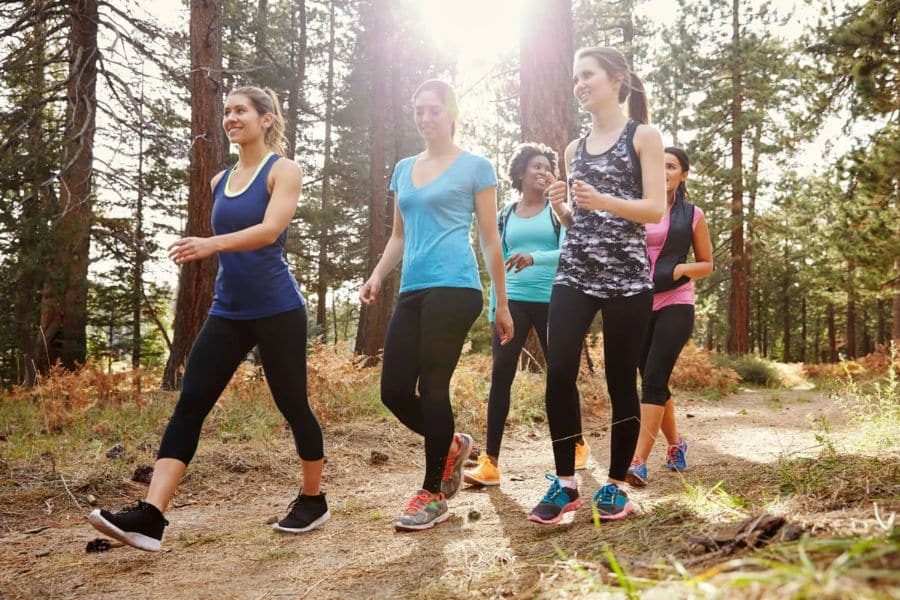
Benefits of Walking Exercise
Walking isn’t just a stroll in the park; it’s a fantastic way to boost your health and create a special bond with your baby. Let’s take a closer look at why this simple activity is a game-changer for both of you.
Why Moving Matters
Getting your body moving is important no matter how old you are—even for the tiniest humans. When your baby gets active, they’re not just having fun; they’re learning to roll, crawl, and eventually take those first wobbly steps. According to EatRight.org, keeping active helps your little one’s brain grow and makes them love playing around.
| Age | Motor Skills |
|---|---|
| By age 2 | Walk and run like a pro |
| By age 3 | Stand on one foot, kick, throw, catch, and pedal a trike |
Data from Kids Health
Getting Your Baby Moving
Helping your baby wiggle and giggle is key to their growth. Simple activities like rolling around, playing, and little exercises can make your kiddo happy and healthy. These fun times help them learn to balance, strengthen their legs, and get ready to walk.
A great way to get your baby moving is tummy time. This involves laying your baby on their belly while they’re awake. It’s like a mini workout that builds their neck, head, and upper body muscles, setting the stage for crawling and standing. Experts in Australia suggest at least 30 minutes of tummy time spread throughout the day to help those muscles grow strong (Raising Children Network).
Want to know more about how walking can help you shed some pounds and boost your health? Check out our articles on walking exercise benefits and walking exercise for weight loss.
Developmental Milestones
Getting a grip on the walking milestones can really help you cheer on your little one’s growth and make sure they’re cruising along just fine. Let’s take a look at those motor skills in babies and what might speed up or slow down their first steps.
Motor Skills in Infants
Motor skills are like the building blocks for your baby’s physical growth. Around 4 to 7 months, babies start figuring out what each body part can do, and you might catch them bouncing around on their feet and legs, gearing up for walking. Getting active early on helps with rolling over, crawling, and eventually walking, which also boosts brain power and a love for playtime.
By the time they hit 2 years, toddlers should be strutting and running like pros. At 3 years, they’re usually balancing on one foot, kicking balls, throwing them overhand, catching them, and even pedaling a tricycle (Kids Health).
Factors Affecting Walking Onset
When it comes to walking, babies can start anywhere between 8 to 18 months. But don’t sweat it too much—the age they start doesn’t really change how good they get at it. It’s more about how long they’ve been practicing. Here’s what can influence when your baby starts strutting their stuff:
-
Practice Makes Perfect: The more your baby gets to practice walking, the better they’ll get at it. So, let them have at it!.
-
Home Sweet Home: A safe and fun home environment is key. It encourages your baby to explore and get those walking skills going.
-
Body Basics: Things like height and weight can change how babies walk. For example, chubbier babies might take a bit longer to start walking than their slimmer buddies (PMC).
-
Cultural Vibes: Where you come from can play a part too. Different caregiving styles can mean babies start walking weeks or even months earlier or later (PMC).
-
On the Move: Once babies start walking, they don’t stop! During playtime, they can be in motion 25-75% of the time, taking thousands of steps every hour.
Knowing these factors can help you cheer on your baby’s walking adventure. For more tips on keeping them active and growing strong, check out our articles on walking exercise benefits and walking exercise tips.
Walking Skill Improvement
Practice and Skill Enhancement
Watching your little one take their first steps is like witnessing a tiny miracle. But did you know that practice is the secret sauce to turning those wobbly steps into a confident stride? The first few months after your baby starts walking are like a boot camp for their little legs. It’s during this time that they make the most progress in their walking skills.
| Time Since Walk Onset | Walking Skill Improvement |
|---|---|
| 0-1 Month | Rapid Improvement |
| 1-2 Months | Continued Rapid Improvement |
| 2-3 Months | Gradual Improvement |
| 3-4 Months | More Gradual Improvement |
Every step your baby takes is a learning experience. Whether they’re toddling around the living room or exploring the backyard, they’re picking up new skills. The more they move, the better they get at it. Babies who are all about spontaneous walking—whether it’s slow and steady or fast and furious—tend to become little walking pros in no time.
Environmental Influences
The space where your baby practices walking can make a big difference. If your home is like a mini playground with plenty of room to roam, your baby is likely to develop better motor skills. Less clutter means more room for your baby to strut their stuff, leading to more mature walking patterns.
| Environmental Factor | Impact on Walking Skill |
|---|---|
| Less Crowded Homes | More Mature Walking |
| More Inside Space | Better Gross Motor Skills |
| Spontaneous Walking | Improved Walking Skill |
Your baby’s body size and what they’re wearing can also affect their walking. Heavy pants or a bulky diaper might make them stumble more. It’s like trying to run a marathon in a snowsuit—definitely not ideal! These little hiccups can slow down their walking progress.
Want to give your baby a leg up in their walking journey? Check out our articles on walking exercise routine and walking exercise tips for more ways to support your baby’s walking development.
Sociodemographic Factors
Impact on Walking Development
Who knew that where you come from could affect when your little one takes their first steps? Turns out, things like race, ethnicity, and how much money you make can play a big role in when babies start walking. It’s all tied to how they’re cared for and the environment they grow up in. For example, in some cultures, babies are handled more and given exercise routines, which can lead to them walking sooner than those who aren’t given the same treatment.
A study comparing babies from Bellevue and Langone showed some interesting differences. Bellevue babies started walking at about 13.6 months, while Langone babies were on their feet by 12.4 months. Plus, 35% of Bellevue babies and only 7% of Langone babies were late bloomers, walking later than most. This hints that things like how crowded a home is and how much space there is to roam around can affect when a baby starts walking.
| Group | Average Walking Age (months) | Percentage Beyond 90th Percentile |
|---|---|---|
| Bellevue Infants | 13.6 | 35% |
| Langone Infants | 12.4 | 7% |
Cultural Variances in Walking Onset
Culture can be a game-changer when it comes to when babies start walking. Different cultures have their own ways of raising kids, which can lead to differences in when they start to walk. In some places, babies are encouraged to walk early through specific handling and exercise routines. This can lead to them walking sooner than in cultures that don’t focus on these activities (PMC).
The physical environment matters too. That same study found that Bellevue homes had about one more person per room compared to Langone homes. Less space to move around might slow down walking. But, interestingly, there wasn’t much difference in how close parks were to their homes (PMCID).
Knowing these sociodemographic and cultural factors can help you set up a great environment for your baby’s walking journey. Want to know more about getting your baby moving? Check out our articles on walking exercise routine and walking exercise tips.
Physical Activity Guidelines
Tummy Time Recommendations
Alright, let’s talk tummy time! It’s like a mini workout for your little one, helping them flex those neck, head, and upper body muscles. These are the building blocks for crawling, standing, and all those adorable milestones that make you reach for the camera. Start with quick bursts of 1-2 minutes and slowly ramp up to 10-15 minutes a few times a day. Just remember, when your baby starts looking like they’ve had enough, give them a breather. No one likes a cranky workout buddy!
| Age | Tummy Time Duration |
|---|---|
| Newborn | 1-2 minutes per session |
| 1-3 months | 5-10 minutes per session |
| 3-6 months | 10-15 minutes per session |
Before your little one turns into a walking whirlwind, aim for 30 minutes of tummy time sprinkled throughout the day. This helps them gear up for rolling, creeping, crawling, and sitting. It’s like prepping for their first marathon, but way cuter.
Active Play for Young Children
Once your kiddo starts toddling around, it’s time to get them moving! Sitting still for more than an hour? Nah, not their style. Encourage them to explore the world with activities that get them up and about—think climbing slides, walking, or zooming around on a tricycle or scooter.
Toddlers and preschoolers should be on the move every day for at least 3 hours, spread out so they don’t wear themselves out. Mix it up with different activities to keep them entertained and help them master those motor skills.
| Age | Recommended Active Play |
|---|---|
| 1-2 years | At least 3 hours spread throughout the day |
| 3-5 years | At least 3 hours spread throughout the day |
For more ideas on keeping your child active, check out our articles on walking exercise routine and indoor walking exercise. Getting them into the groove of active play and regular movement will not only boost their development but also lay the groundwork for a healthy lifestyle.
Supporting Healthy Growth
Physical Activity for Toddlers
Getting your little one moving every day is super important for their growth and development. Experts say toddlers and preschoolers should be active for at least 3 hours a day, mixing it up with light, moderate, and vigorous activities.
Here are some fun ways to keep your toddler on the move:
- Walking: Take a stroll with your toddler. It’s a great way to help them develop motor skills and spend quality time together. For more tips, check out our article on walking as an exercise.
- Playing in the park: Let them run wild, climb, and swing. It’s fun and gets their energy out.
- Dancing: Crank up the tunes and have a dance party. It’s a fun way to get moving and share some laughs.
- Indoor activities: When the weather’s not cooperating, try indoor walking exercises or set up a mini obstacle course at home.
Inclusive Physical Activities
Inclusive activities make sure every kid, no matter their abilities, can join in and enjoy being active. Lots of sports and activities can be tweaked to fit the needs of kids with disabilities, making sure everyone gets to play and have fun.
Here are some inclusive activities to think about:
- Adapted sports: Many sports have kid-friendly versions that focus on fun and learning skills instead of competition. These programs help kids build physical and social skills while boosting their confidence.
- Swimming: Swimming is fantastic for kids of all abilities. It builds strength, coordination, and confidence in the water.
- Group activities: Check out local playgroups or community centers that offer inclusive activities. They often have programs designed for kids with different needs.
For more ideas on keeping your toddler active and engaged, explore our articles on walking exercise routine and walking exercise video.
By mixing up your toddler’s daily activities, you can help them grow healthy and strong while teaching them to love moving and playing.