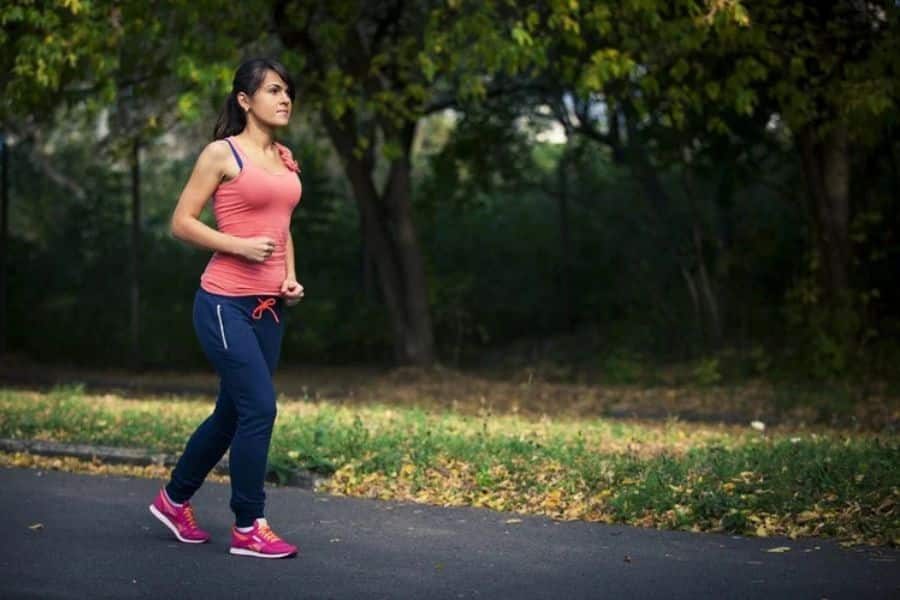
Benefits of Walking with Weights
Increased Caloric Burn
Walking with weights is like turning up the heat on your calorie-burning furnace. When you add some extra pounds to your stroll, your body has to hustle a bit more, which means you torch more calories. Imagine this: a study showed that lugging around a weighted vest that’s 15% of your body weight can burn 6.3 calories a minute, compared to just 5.7 calories when you’re walking without the vest.
| Activity | Calories Burned per Minute |
|---|---|
| Walking without Weights | 5.7 |
| Walking with Weighted Vest (15% body weight) | 6.3 |
This little boost in calorie burn can be your secret weapon in the battle against the bulge. Just remember, start light and slowly add more weight to keep your body happy and injury-free. If you’re curious about how to weave walking into your fitness routine, check out our walking exercise routine guide.
Muscle Strengthening
Walking with weights isn’t just about shedding pounds; it’s also a ticket to stronger muscles. The extra resistance from the weights gives your muscles a workout they won’t forget. You’ll notice your legs, core, and upper body getting more toned and powerful.
A weighted vest spreads the resistance evenly across your body, boosting endurance, heart health, bone strength, and overall muscle power (Healthline). If you’re new to this, start with a vest weighing 5 to 8 pounds.
| Weighted Vest | Muscle Engagement |
|---|---|
| 5-8 pounds | Beginner |
| 10-15 pounds | Intermediate |
| 20+ pounds | Advanced |
For more tips on safely adding weights to your walking routine, swing by our article on walking exercise tips.
By getting the lowdown on walking with weights, you can make smart choices to amp up your fitness game. Whether you’re aiming to burn more calories or beef up your muscles, tossing some weights into your walk can be a game-changer. For more scoop on the perks of walking, check out our article on walking exercise benefits.
Risks and Considerations
Adding weights to your walking routine can be a game-changer, but it’s not all sunshine and rainbows. You gotta know the risks to keep yourself safe and sound.
Joint Stress
Weights can be a bit of a bully to your joints, especially those ankle weights. They might make your quads work overtime, leaving your hamstrings feeling left out. This can mess with your muscle balance and put your knees, hips, and back in a tough spot.
| Weight Type | Potential Joint Stress |
|---|---|
| Ankle Weights | High (knees, hips, back) |
| Hand Weights | Moderate (shoulders, elbows) |
| Weighted Vests | Low (evenly distributed) |
If your joints are already giving you grief, like with arthritis or tendonitis, chat with your doc before strapping on those weights. You don’t want to make things worse.
Injury Prevention
Keep injuries at bay with these handy tips:
- Start Light: Don’t go all Hulk right away. Ease into it with lighter weights and let your body get used to the extra load.
- Proper Form: Walk like you mean it—stand tall, tighten that core, and don’t take giant steps.
- Balanced Weight Distribution: Weighted vests are your friend here. They spread the weight out nicely, unlike ankle weights that can throw you off balance (Harvard Health Publishing).
- Consult a Pro: If you’re new to this, get some advice from a fitness guru or physical therapist. They’ll help you nail the technique and pick the right weights.
- Listen to Your Body: If your body starts yelling at you with pain or discomfort, take a break and see a healthcare provider.
For more tips on safely adding weights to your walk, check out our article on walking exercise tips.
By keeping these risks in mind and taking smart steps, you can enjoy the perks of walking with weights without the ouch factor. For more on crafting a safe walking routine, visit our walking exercise program page.
Types of Walking Weights
Adding weights to your walking routine can spice up your workout and help you hit those fitness targets. Let’s check out three types of walking weights you might want to try:
Weighted Vests
Strap on a weighted vest, and you’ll be torching calories like nobody’s business. Studies say that walking uphill with a vest weighing 10% of your body mass can crank up your calorie burn by 13%. These vests aren’t just about burning calories; they boost endurance, heart health, bone strength, and overall muscle power. But don’t go overboard—stick to a vest that’s 5-10% of your body weight to keep injuries at bay.
| Weight Vest Perks | Details |
|---|---|
| More Calories Burned | 13% extra burn |
| Better Endurance | Pumps up heart health |
| Stronger Bones | Fortifies bone density |
| Muscle Power | Builds strength |
Want to know more about picking the right vest and using it safely? Check out our section on walking with weighted vests.
Ankle Weights
Ankle weights can crank up the intensity of your walk. They beef up your calf muscles, quads, and hip flexors while giving your core a good workout. But beware—they can mess with muscle balance and put extra stress on your ankles, upping the risk of injuries to your back, hips, and knees. Keep an eye on how you use them to dodge tendonitis, joint pain, and arthritis flare-ups.
| Ankle Weight Perks | Risks |
|---|---|
| Calf Muscle Boost | Muscle Imbalance |
| Quad Engagement | Joint Stress |
| Core Challenge | Injury Risk |
For safety tips on ankle weights, swing by our section on walking with ankle weights.
Hand Weights
Hand weights, or those little dumbbells, are a safe bet for adding some oomph to your walk. They help you burn more calories thanks to the extra resistance during your arm swing. Walking with 3-pound weights in each hand can be effective, but going heavier might lead to elbow or shoulder pain from overworking the bicep tendon. Holding onto hand weights can also strain your arm, possibly causing tennis elbow.
| Hand Weight Perks | Risks |
|---|---|
| Extra Calorie Burn | Elbow or Shoulder Pain |
| Added Resistance | Arm Strain |
| Functional Moves | Tennis Elbow Risk |
For more tips on using hand weights, check out our section on power walking with weights.
By getting the scoop on different walking weights and their perks and pitfalls, you can choose the best fit for your fitness journey. For more on walking workouts, dive into our articles on walking exercise routine and walking exercise for weight loss.
Walking with Weighted Vests
Strap on a weighted vest and take your walking game up a notch! It’s like giving your regular stroll a turbo boost, helping you torch more calories and beef up those muscles. But hey, don’t just throw on any old weight. Picking the right one and nailing the technique is key to keeping injuries at bay.
Proper Weight Selection
Picking the right weight is like finding the perfect pair of shoes—it’s gotta fit just right. If you’re just starting out, go easy on yourself with a lighter vest. Healthline suggests kicking things off with a 5- to 8-pound vest. Once you’re strutting like a pro, you can slowly add more weight to your vest.
| Experience Level | Recommended Weight |
|---|---|
| Beginner | 5-8 lbs |
| Intermediate | 10-15 lbs |
| Advanced | 15-20 lbs |
Don’t go all Hulk and pile on the pounds too fast. Your joints and muscles will thank you for taking it slow. Listen to your body—it knows best.
Technique and Form
Walking with a weighted vest isn’t just about strapping it on and going for a stroll. Here’s how to keep it safe and effective:
- Posture: Stand tall, let those shoulders chill, and keep your head up. This helps spread the weight evenly and keeps your spine happy.
- Core Engagement: Tighten up those core muscles to help carry the load and keep your balance.
- Stride: Walk naturally—no giant steps or shuffling. This keeps you moving smoothly and helps avoid any face-plant moments.
- Breathing: Breathe deep and steady to keep your muscles fueled with oxygen.
Stick to these tips, and you’ll be rocking that weighted vest like a champ. For more walking wisdom, check out our article on walking exercise tips.
Adding a weighted vest to your walks can seriously up your fitness game, boosting endurance, heart health, bone strength, and overall muscle power. Start light, and as you get stronger, add more weight. For more on the perks of walking, swing by our page on walking exercise benefits.
Walking with Ankle Weights
So, you’re thinking about strapping on some ankle weights for your daily stroll? Good call! They can really spice up your walking routine. But before you dive in, let’s chat about what these weights do to your muscles and how to keep things safe.
Muscle Engagement
Ankle weights are like a little gym for your legs. They give your calf muscles, quads, and hip flexors a good workout. Plus, they make your core work harder, so you’re getting a full-body workout without even realizing it.
| Muscle Group | Engagement Level |
|---|---|
| Calf Muscles | High |
| Quadriceps | High |
| Hip Flexors | Moderate |
| Core Muscles | Moderate |
But here’s the catch: while they pump up your muscle strength, they can also mess with your muscle balance. If your quads start hogging all the action, your hamstrings might feel left out, which could lead to some annoying injuries in your back, hips, and knees (Verywell Health).
Safety Tips
Want to keep things safe while you walk with weights? Check out these tips:
-
Weight Selection: Stick to weights that are 5 pounds or lighter. Anything heavier might put too much strain on your knees and joints, and nobody wants tendonitis or joint issues (Healthline).
-
Short Walks: Keep your weighted walks short and sweet. Long walks with weights can make joint problems worse, especially if you’re dealing with arthritis.
-
Monitor Muscle Imbalances: Pay attention to any weird feelings in your back, hips, or knees. If something feels off, it might be those weights causing trouble (Verywell Health).
-
Warm-Up and Cool Down: Don’t skip the warm-up and cool down. They’re like the bookends to your workout, helping your muscles get ready for action and recover afterward.
-
Consult a Professional: Got any health concerns or conditions? It’s smart to chat with a healthcare pro before you start using ankle weights.
For more tips on walking exercises and how to safely add weights, check out our articles on walking exercise routine and walking exercise tips.
Power Walking with Weights
Power walking with weights is like turning your stroll into a mini workout session. It’s a nifty way to crank up the intensity, torch more calories, and beef up those muscles. Let’s dive into Steve Reeves’ wisdom and dish out some tips on how to step up your game.
Steve Reeves’ Recommendations
Steve Reeves, the muscle man of yesteryears, was all about power walking. In his book “Powerwalking,” he laid down the law on technique and weight choice. He was pretty clear: don’t go overboard with weights—stick to 5 pounds (about 2.3 kg) per arm. You don’t want to mess up your stride or topple over like a clumsy penguin.
Reeves also had a rule of thumb for total weight: keep it under 20% of your body weight. Here’s how to spread the love:
- 10% around your waist
- The other 10% split between wrist and ankle weights
Stick to these guidelines, and you’ll be power walking like a pro without risking a tumble.
Progression and Training
To make the most of your power walking, start small and build up. Here’s how to do it without turning into a sweaty mess:
- Start Light: Kick things off with two 1.5 kg (3.3 lb) weights. Your body will thank you for not overloading it right off the bat.
- Gradual Increase: Once you’re strutting comfortably, bump up the weight. You can go from 1.5 kg to 5 kg (11 lb) dumbbells as you get stronger.
- Monitor Your Form: Keep your technique sharp. Long strides, arms swinging like a pendulum, and a posture that says, “I’m in charge.”
- Listen to Your Body: If your body starts yelling at you with discomfort or pain, ease up on the weights or take a breather.
Follow these tips, and you’ll be power walking like a champ. For more walking wisdom, check out our articles on walking exercise routine and walking exercise tips.
| Weight Progression | Recommended Weight (kg) | Recommended Weight (lb) |
|---|---|---|
| Starting Weight | 1.5 kg | 3.3 lb |
| Intermediate Weight | 3 kg | 6.6 lb |
| Advanced Weight | 5 kg | 11 lb |
Power walking with weights is a solid way to spice up your fitness routine. By following these tips and gradually cranking up the intensity, you’ll be on your way to hitting those weight loss and health goals. For more walking tips, swing by our articles on walking exercise for weight loss and walking exercise benefits.