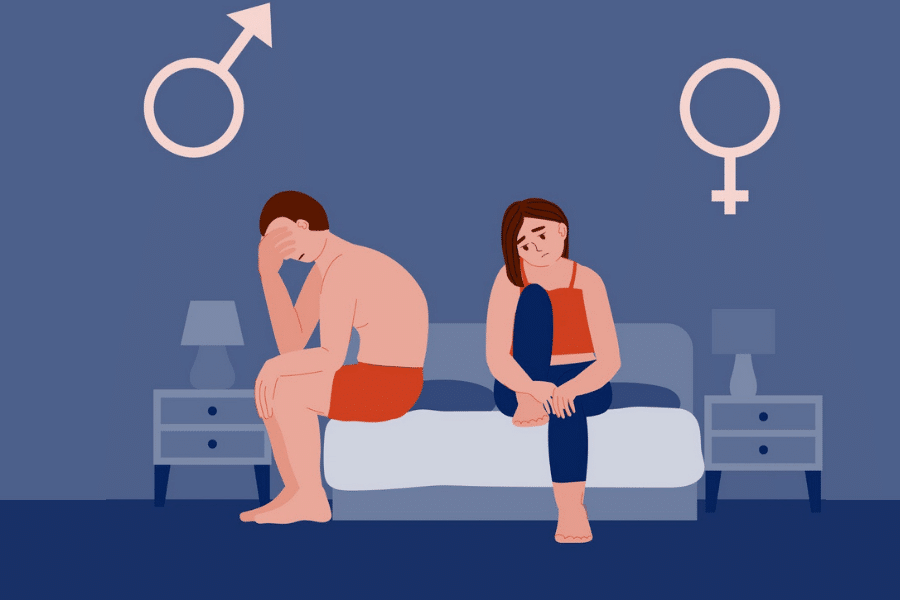
Natural curiosity about what are common sexual health issues often leads you to wonder if your experiences are normal or require professional attention. Many people, regardless of age or gender, face various challenges with sexual health, including sexual dysfunction and sexually transmitted infections (STIs). Below, you’ll find an overview of these concerns, along with practical steps to protect and improve your sexual well-being.
Recognize sexual dysfunction
Sexual dysfunction refers to any problem that prevents satisfaction during sexual activity. According to Cleveland Clinic, up to 43% of females and 31% of males report experiencing some degree of sexual dysfunction (Cleveland Clinic). It can affect you at any age but is more common after 40.
Types and causes
- Physical factors: Conditions like heart disease, diabetes, and side effects from certain medications (for example, antihypertensives or antidepressants).
- Psychological factors: Stress, anxiety, depression, unresolved emotional issues, or past trauma.
Most cases benefit from a combination of medical treatment, counseling, and open communication with your partner. If a lingering concern impacts your self-confidence or relationships, talking to a healthcare provider is often the first step toward resolution.
Identify common STIs
Sexually transmitted infections (STIs) are infections you can contract through unprotected vaginal, anal, or oral sex, as well as certain forms of skin-to-skin contact. Knowing their symptoms can make a big difference in prevention and treatment.
Frequent examples
- Chlamydia and gonorrhea
- Usually mild or no early symptoms.
- Untreated, they can lead to complications like pelvic inflammatory disease or infertility (Mayo Clinic).
- Human papillomavirus (HPV)
- The most common viral STI in the United States.
- May cause genital warts or increase the risk of cervical cancer in high-risk types (Cleveland Clinic). A safe and effective vaccine is recommended as early as age 11 or 12.
- Herpes simplex virus (HSV)
- Causes painful sores around the mouth or genitals.
- May appear within days of exposure, accompanied by flu-like symptoms.
- Syphilis
- Progresses through stages with different symptoms, from painless chancres to serious organ damage if untreated.
- Potentially life-threatening without proper care.
Preventing STIs is possible, and advancements in vaccination and biomedical interventions further reduce risks. However, anyone sexually active can contract an STI, even if no symptoms appear.
Use prevention strategies
Taking proactive steps to protect your sexual health is both empowering and practical.
Key methods
- Consistent condom use: Correct and consistent condom use lowers the risk of most STIs, including HIV (WHO).
- Regular testing: Yearly or more frequent testing helps detect infections early. This is especially important if you have multiple partners or a new partner (CDC).
- Open communication: Discuss STI testing history, protection preferences, and any symptoms or concerns with your partner.
- Vaccinations: Vaccines offer protection against hepatitis B and certain HPV strains. They are recommended well before you become sexually active but remain an option up to age 45 for HPV prevention (WHO).
Lifestyle factors like limiting alcohol, managing stress, and maintaining healthy habits also support overall sexual health. If you experience ongoing concerns about desire, arousal, or pain, consider speaking with a healthcare professional for customized solutions.
Key takeaways
- Sexual dysfunction is common and often treatable through medical care, counseling, and open dialogue.
- STIs are widespread but preventable using condoms, vaccinations, and routine testing.
- Early diagnosis and proper treatment offer the best chance to avoid complications and maintain a fulfilling sex life.
Remember, every body is unique. If you’re worried about changes in your sexual health, reach out to a trusted medical professional for personalized answers and support.