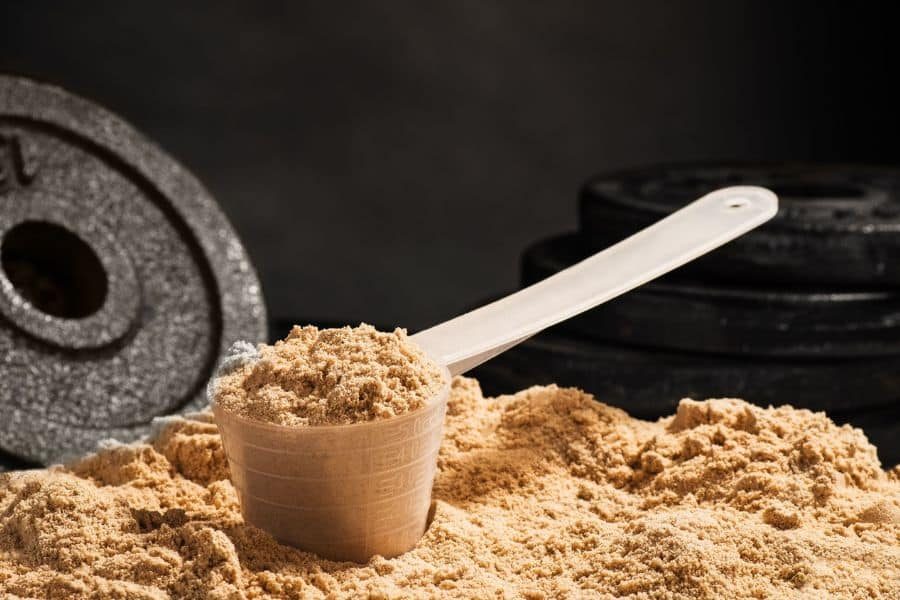
Understanding Whey Protein
Whey protein’s like that trusty friend by your side, capable of helping you smash your fitness aims—whether that’s pumping up your muscles, shedding some pounds, or just leveling up your health game. Let’s break down what makes this stuff tick and the flavors of whey protein you can pick at the store.
Basics of Whey Protein
Alright, so whey protein pretty much plants itself as the superhero of milk proteins, making a grand appearance during cheese-making. This sidekick liquid’s just jam-packed with essential amino acids—the sort your body just can’t get enough of. Picture it as the all-star of proteins: comes with every amino acid you need, super digestible, and zips through your body faster than your morning coffee.
| Feature | What It’s All About |
|---|---|
| Source | Comes from the milk bit left over when cheese is made |
| Essential Amino Acids | Contains every single one your body loves |
| Digestibility | Super easy for your body to process |
| Absorption | Rushes through your system quickly |
| Benefits | Builds strength, helps muscle grow, and can burn some fat off |
Types of Whey Protein
Now, not all whey protein cuts are made the same. You’ve got three main players on the field: whey protein concentrate, isolate, and hydrolysate. They’ve each got their quirks and perks.
-
Whey Protein Concentrate: This one’s the friendly, budget option. Popular and doesn’t shy away from bringing along some of the other good stuff in milk. With protein sitting at about 70-80%, it shares the stage with some fats and carbs, lactose included.
-
Whey Protein Isolate: Here you have the no-nonsense choice that cuts out the extras. It’ll boast over 90% protein, making it a top pick for folks craving high protein with little unwanted baggage. If muscle’s your game, this high-leucine champ’s in your corner.
-
Whey Protein Hydrolysate: Also dubbed hydrolyzed whey, this one’s already been put through its paces, pre-digested and all. It’s the fastest to get through your system. Often found in medical products and baby formulas, it’s less likely to stir up allergies.
| Type | Protein (%) | Highlights | Best For |
|---|---|---|---|
| Whey Protein Concentrate | 70-80% | Keeps nutrients in check, some fats, and carbs included | Everyday use, budget-friendly protein fix |
| Whey Protein Isolate | 90%+ | Loads of protein, super low on fats and carbs, stellar for muscle gains | Anyone looking for max protein without the frills |
| Whey Protein Hydrolysate | Changes | Pre-digested, hardly any wait time, gentle on allergies | Medical use, baby formulas, super quick recovery |
Want to dive into how whey matches up against plant-based proteins or picking the right powder for muscle gain? Check out our guides on plant-based protein powder and best protein powder for muscle gain. Knowing these differences can give you the edge to choose what lines up with your fitness track.
Benefits of Whey Protein
Whey protein powder packs a punch with perks galore—from buffing up those muscles to shedding pounds, and even giving your health a kick up the pants. Let’s dig into why tossing some whey into your diet might be just what the doctor ordered.
Muscle Building Benefits
Wanna beef up those guns? Whey protein’s your buddy. It’s like rocket fuel for your muscles, especially when chowed down around your sweat sessions (Healthline). Chock-full of amino acids, and the superstar leucine, it’s all about helping your muscles repair and grow stronger.
| Muscle Building Benefit | How Good is It? |
|---|---|
| Packing on Muscle Mass | Awesome (best protein powder for muscle gain) |
| Boosting Strength | Top-notch (protein powder for muscle growth) |
| Speedy Recovery | Good (protein powder for muscle repair) |
Weight Loss Benefits
Dreaming about snapping back those jeans? Whey protein could be your secret weapon. It keeps you feeling full, so you’re less likely to snack your way through the pantry. Plus, it revs up your metabolism, so you’re burning more calories like a champ.
It’s like giving your body a high-five—protecting muscle while you drop the extra sheet fat (Healthline). Get your plan rolling with our protein powder for weight loss tips.
| Weight Loss Benefit | How Good is It? |
|---|---|
| Keeping You Full | Excellent (protein powder for meal replacement) |
| Metabolic Boost | Solid (protein powder for keto diet) |
| Muscle Maintenance | Excellent (protein powder for low-carb diet) |
Health Benefits
Whey protein ain’t just for the gym bunnies—it’s got some nifty health perks too:
- Taming Blood Pressure: Thanks to something called lactokinins, whey protein can help keep your blood pressure grounded (Healthline).
- Keeping Blood Sugar Steady: Whey keeps your sugar levels in check and helps your body use insulin better—just what the doc ordered for type 2 diabetes (Healthline).
- Cooling Inflammation: Big doses of whey protein can wave bye-bye to inflammation (Healthline).
| Health Benefit | How Good is It? |
|---|---|
| Lowering Blood Pressure | Excellent |
| Balancing Blood Sugar | Excellent |
| Soothing Inflammation | Moderate |
Chuck some whey into your daily routine, and you won’t just be flexing those muscles—you’ll be boosting your health across the board. Want to dive deeper? Check our piece on protein powder benefits.
Whey Protein Nutrition
Whey protein is like the MVP of protein powders, famous for its top-notch nutrition and easy digestion. So, what’s all the fuss about? Well, we’re diving into why your body loves whey so much for building and fixing up those muscles.
Amino Acid Profile
Think of whey as the all-star athlete with loads of medals. It contains all nine essential amino acids your body can’t make on its own. These little guys are crucial for everything from muscle building to keeping your immune system in check. Here’s how whey shapes up:
| Amino Acid | Amount (g per 100g of Whey) |
|---|---|
| Leucine | 11.4 |
| Isoleucine | 6.2 |
| Valine | 5.9 |
| Lysine | 9.8 |
| Methionine | 2.1 |
| Phenylalanine | 3.8 |
| Threonine | 7.2 |
| Tryptophan | 2.0 |
| Histidine | 1.7 |
Whey is bursting with branched-chain amino acids (BCAAs) like leucine, isoleucine, and valine—superstars when it comes to muscle repair and growth. That’s why gym buffs and recovery warriors love it.
Digestibility and Absorption
Whey protein isn’t just about looking good on paper; it’s a real lifesaver when it comes to how your body uses it. It’s quick to hit your system right when you need it most—post-workout.
- Rapid Absorption: Whey dissolves easily and gets broken down faster than other proteins like casein or the trendy plant-based options.
- Bioavailability: Whey scores high here, meaning your body can actually use a big chunk of what you eat.
| Protein Type | Digestibility (PDCAAS Score) |
|---|---|
| Whey Protein | 1.00 (Top score!) |
| Casein Protein | 1.00 (Top score!) |
| Soy Protein | 1.00 (Top score!) |
| Pea Protein | 0.93 (Pretty darn good) |
The Protein Digestibility Corrected Amino Acid Score (PDCAAS) kind of acts like a scorecard for how much of the protein your body can use. Whey gets a gold star, which is why it’s a go-to for folks looking to easily boost their protein intake.
Packed with benefits for muscle gain, weight loss, and even a few extra perks like helping manage blood sugar and possibly lowering blood pressure, whey has got your back. If you’re keen on mixing whey into your diet, swing by our guide on best practices for consumption to get started.
Whey isn’t just a protein; it’s the real deal when you’re aiming to up your health and fitness game.
How to Choose Whey Protein
Finding the right whey protein powder can give your fitness goals a boost. Check out these tips to pick the best one for you.
Third-Party Certification
When grabbing a protein supplement off the shelf, you want to be sure it’s the real deal. Enter third-party certification! These badges show that a whey protein has been checked out for quality and strength. If you see badges like NSF, Informed Sport, or GMP, you’re in the safe zone since these guys have put it through the wringer to meet top standards (Bon Appétit).
| Certification | Description |
|---|---|
| NSF | Gives the thumbs-up for quality and safety. |
| Informed Sport | Clean of banned stuff—great for athletes. |
| GMP | Teams up with good manufacturing vibes. |
Picking up a whey protein with these certifications means you’re getting what it says on the label without any sneaky stuff inside (UGA Health Center). Scan for these logos next time your cart rolls down the supplement aisle.
Protein Concentration and Purity
Let’s talk about the beef of the supplement—protein content. How much protein you’re getting in each scoop really matters. Aim for a powder with high protein per serving, minus the added fluff. This ensures you’re loading up on genuine fuel, not fillers.
| Brand | Protein (g per serving) | Additives |
|---|---|---|
| Brand A | 25 | None |
| Brand B | 23 | Natural flavors |
| Brand C | 20 | Artificial sweeteners |
Stick to those with a short list of ingredients, and dodge artificial sweeteners or sugar alcohols for a healthier pick (Bon Appétit). Always eyeball the nutritional facts and read through the ingredient list. If you’re on the lookout for minimal-additive options tailored to specific diets, check out more on protein powder for a keto diet and paleo diet.
Focusing on certification and protein content ensures you grab a whey powder that meets your muscle-building, slimming, and health aims. For more sweat-worthy tips, peek at our articles on protein powder benefits and best protein powder for muscle gain.
Risks and Side Effects
Potential Risks of Whey Protein
Whey protein’s got some perks, but let’s not ignore the possible downsides. Going overboard or using it long-term might lead to some bumps in the road.
Kidney and Liver Damage
Too much whey can push your kidneys and liver over the edge, especially if they already have some wear and tear. People parked on the couch more than the running track should keep tabs too since high protein and low activity don’t always mesh well (Medical News Today).
| Possible Problem | Folks Who Should Worry |
|---|---|
| Kidney Woes | Folks with kidney issues before |
| Liver Trouble | Couch potatoes |
| Tummy Troubles | Just about anyone |
Precautions for Certain Conditions
Whey protein might not be everyone’s BFF. Certain health issues or meds just don’t get along with it.
Lactose Intolerance and Milk Allergies
Whey comes from cow juice, so if you can’t handle lactose or have milk allergies, you might want to give it a pass. Check out protein powder for lactose intolerant folks for a friendlier option.
Medication Interactions
Mixing whey protein with some antibiotics, like Quinolone or Tetracycline, isn’t the best idea. Give it a breather of a few hours between whey and these meds (WebMD).
Whey can mess with levodopa, used for Parkinson’s. If you’re juggling whey and meds, a chat with your doc is a must (WebMD).
| Condition | Play It Safe Tip |
|---|---|
| Lactose Problems | Check out lactose-free proteins |
| Milk Allergies | Go plant-based |
| On Quinolone Antibiotics | Snack on whey after a good break |
| On Tetracycline Antibiotics | Talk it over with your doc |
| Playing with Levodopa | Keep an eye on it and call the doc if needed |
By knowing what hiccups whey protein might throw your way, you can cruise through your protein powder for muscle gain adventure while keeping your health in check.
Adding Whey Protein to Your Diet
Protein Sources
Let’s talk protein! Whey protein comes straight from milk, courtesy of cheese-making wizards. It shows up in a few flavors—concentrate, isolate, and hydrolysate, each bringing its own spark to the table:
- Concentrate: It’s got the goods with lower fat and carbs; protein content is all over the map from 30 up to 90%.
- Isolate: This one’s been scrubbed cleaner, tossing out fat and lactose, hitting roughly 90% pure protein.
- Hydrolysate: Think of it as pre-chewed for your gut, so it slides right in with zero fuss.
Mixing some whey protein powder into your everyday rhythm can give you a leg up on your daily protein intake, perfect for the gym buffs, muscle-heads, or the flat-out busy bees. Variety is the spice of life, so peek at plant-based protein powders for a change of pace and some extra perks.
How to Get the Most Out of It
Jumping on the whey train can supercharge your diet and pump up those fitness dreams. Here’s how to make it work for you:
When to Chow Down
- After Exercise: Slugging back some whey after a workout is like giving your muscles a gold star. For juicy details, check protein powder for post-workout.
- Morning Fix: Kickstart your day with some whey magic to feel full and ready to rumble. Curious? See protein powder for breakfast.
- Meal Swap: Shake up your meals with a protein-packed smoothie. It’s like a meal with a cape. Explore more at protein powder for meal replacement.
How Much to Toss In
| Gender | Daily Protein Goal (grams) | Whey Boost (grams) |
|---|---|---|
| Women | 46 | 20-40, 1-2 scoops |
| Men | 56 | 25-50, 1-2 scoops |
Easy Ways to Get It In
- Smoothies and Shakes: Mix whey with fruits, veggies, and nut butter and sip your way to nutrition heaven. Recipes? Head to protein powder for shakes.
- Into the Oven: Stir whey into pancake batter or brownie mix for a hidden protein stash. Baking hacks can be found at protein powder for baking.
- Throughout the Day: Pump up soups or oatmeal with a protein surge.
When picking your whey powder, those third-party stamps are your go-to for quality assurance, ensuring what you see is what you get (UGA Health Center).
Let whey protein be your sidekick for building muscle, managing weight, and leveling up your health game. Match it with whole foods to keep your diet balanced. Craving more tips on getting the best out of protein? Check our chat about protein powder benefits.