Understanding the Keto Diet
Origin of the Keto Diet
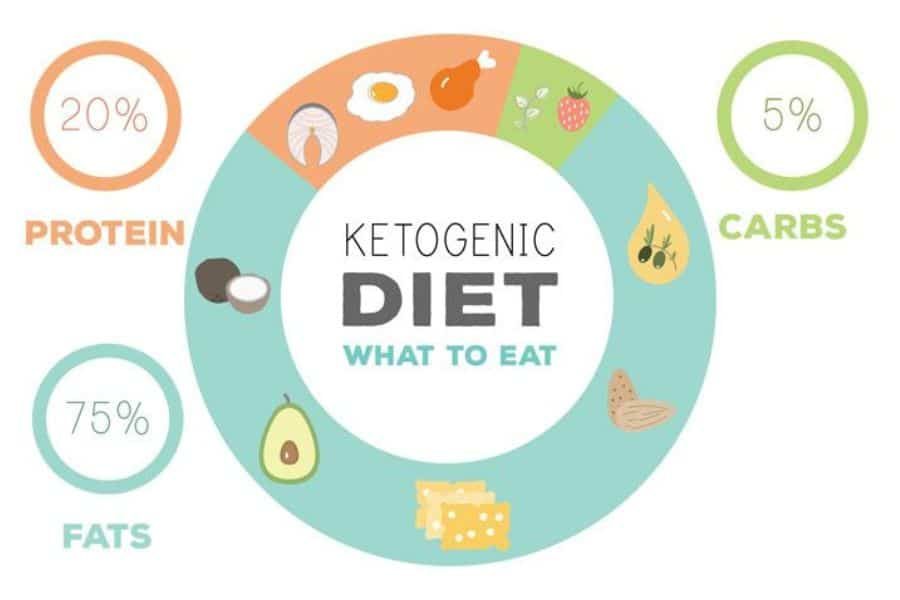
The keto diet isn’t just some fad that’s blown up recently; it’s a throwback dating all the way to 1921. Dr. Russell Wilder over at the Mayo Clinic came up with the term “ketogenic diet,” initially as a way to help folks dealing with epilepsy. Imagine eating loads of fat—about 70%-90% of your daily intake—while cutting carbs and skimping on the protein a bit. This combo tricks your body into acting like it’s fasting, making it burn fat for energy instead.
Proof’s in the pudding, right? Turns out, this diet was a real game-changer for both kids and grown-ups wrestling with seizures, lighting the way for it as a solid medical treatment way back when.
Mechanism of the Keto Diet
So what’s the magic behind the keto diet and seizures? Well, when you drop your sugar intake and crank up the fat, your body starts making these things called ketones. Your brain uses ketones for fuel instead of good ol’ glucose. This switch helps calm things down in your noggin, reducing pesky seizures big time (Cleveland Clinic’s got more on that).
No one’s cracked the full code yet, but it seems like this fat-heavy, sugar-shy setup changes how your brain ticks, making it a less friendly place for seizures. Fewer seizures, less drama, and more smiles all around.
Dive into our scoop on the keto diet benefits if you’re curious.
Macronutrient Breakdown of Keto Diet
And just for kicks, here’s how a keto diet usually shakes out:
| Nutrient | Percentage of Total Calories |
|---|---|
| Fat | 70%-90% |
| Protein | 10%-25% |
| Carbs | 5%-10% |
By getting the 4-1-1 on where the keto diet sprang from and what makes it tick, you’re all set to see why it’s a go-to for epilepsy management. Want to start your keto escapade? Peep our guides on how to start keto diet and keto diet for beginners to get the wheels rolling.
Effectiveness for Epilepsy
Reduction in Seizures
When you think about the keto diet and its effect on epilepsy, there’s one big win: fewer seizures. The research backs it up—ketogenic eating can slash seizure frequency for those grappling with epilepsy.
Check out this study from PubMed, where more than 50% of seizures got kicked to the curb for 27% of folks with focal seizures and a whopping 46% for those with generalized seizures in just three months. These improvements didn’t just fizzle out—they stuck around for six and twelve months, showing lasting perks.
Here’s the breakdown:
| Time Period | Focal Seizure Reduction | Generalized Seizure Reduction |
|---|---|---|
| 3 months | 27% | 46% |
| 6 months | 27% | 46% |
| 12 months | 27% | 46% |
Way back in the Roaring ’20s and ’30s, the keto diet popped up as a game-changer for epilepsy, offering an alternative to fasting methods that were in vogue at the time (News-Medical).
Age Considerations
How well the keto diet kicks seizures to the curb can depend on a person’s age. Cleveland Clinic notes it’s often the go-to for children of all ages dealing with epilepsy, even the little ones like infants. Why? Because it tends to work like a charm in younger patients.
Relying on that same PubMed study, younger folks, under 12, often see better outcomes compared to their older counterparts, especially noticeable at the six-month mark.
Here’s the scoop:
| Age Group | Significant Seizure Reduction at 6 Months |
|---|---|
| <12 years | Yes |
| >12 years | No |
About 40% to 50% of kiddos on the keto train experience at least half as many seizures, and around 10% to 20% see a greater than 90% drop.
Older kids and adults sometimes find sticking to the keto way a tall order ’cause of its restrictions. But, for those who can roll with it, it can still yield some solid results. It’s wise to chat with a healthcare pro if you’re pondering the ketogenic path, especially for the younger crowd, to keep it safe and sound.
Feel like diving deeper into the world of keto? Peek at our resources on the ketogenic diet, keto diet for beginners, and keto diet for children to learn more.
Keto Diet for Medical Conditions
Hey! So the whole keto craze isn’t just about cutting carbs for fun; it’s got some serious health perks, especially if you’re dealing with diabetes or have a few extra pounds you’re trying to shed. Let’s dig into how this diet might work wonders for these health issues.
Diabetes and Obesity
Folks with diabetes or battling with weight might find keto super helpful. By giving carbs the boot, your body gets into this fat-burning mode called ketosis. Instead of relying on glucose, your body starts torching fat for energy. This switcheroo can help keep blood sugar in check—super important for managing diabetes—and boost weight loss big time. Basically, it’s like telling your body, “Time to use up that fat stash!”
| Condition | Benefits |
|---|---|
| Diabetes | Helps to keep blood sugar balanced, sharpens insulin response |
| Obesity | Fires up fat burning, helps shrink down the waistline |
If you’re diabetic, keto could feel like a breath of fresh air, especially with its straightforward carb rules. And for those in the “let’s drop this weight” club, the diet trains your body to efficiently use fat as its main fuel (Cleveland Clinic). Want more on the keto diet and diabetes benefits? Check out keto diet and diabetes.
Safety and Efficacy
Now, just because keto’s got its benefits doesn’t mean it’s all smooth sailing. Diving into keto, especially with health conditions like diabetes or heavy-duty obesity, needs a doc’s thumbs-up. Here’s what to think about to keep things safe and sound on keto:
- Doc’s Orders: Chat with your healthcare pro before jumping on the keto train to make sure it suits your health scene.
- Keeping It Real: The diet’s hardcore no-carb vibe might make sticking to it hard down the road.
- Heads Up on Side Effects: Things like low nutrient levels, getting dehydrated, or messing up your electrolyte balance are on the radar (UCLA Health).
Having a doc to tweak and watch over your keto journey can really optimize benefits and dodge risks. Curious about making keto safe and sound? Peek into our take on keto diet side effects.
Being clued into the perks and what to watch for means you can better figure out how keto could jazz up your health journey. Whether dealing with a health woe or just eyeing better health vibes, balance is key, and don’t skip the medical check-ins. If you’re ready to kick things off on keto, check out how to start keto diet.
Medical Supervision and Management
If you’re thinking keto for tackling epilepsy, buddy up with your doc. You’re gonna need the right mix of supervision and tweaks to keep things smooth. Here’s what the experts say about keeping things on track and why checking in is no joke.
Doctor’s Recommendations
Before diving headfirst into the ketogenic pool for epilepsy, grab a seat with your doctor. The classic keto plan—high fat and low carbs—needs the precision of a Swiss-watchmaker to help with those brain storms (Epilepsy Foundation). Here’s the lowdown on what the white coats often suggest:
- Initial Consultation: Chat up your healthcare buddy to see if keto is your golden ticket. Especially for kids, it could be a game changer.
- Customized Meal Plan: Dietitians are the unsung heroes here, cooking up a keto meal plan that tickles your calorie, fluid, and protein fancy just right.
- Regular Check-Ups: Regular pit stops with your doc are a must to check the engine and make sure all systems are go.
Monitoring and Adjustments
Cracking the keto code requires keeping an eagle eye on how things are running and being ready to twist those dials when needed. Keep the ship steady and seizure-free by focusing on these essentials:
- Progress Tracking: Are the seizures chilling out? Your doctor might stick with the plan or switch gears after a couple of years (Epilepsy Foundation).
- Nutritional Adjustments: Sometimes you need a little tweak—regular bloodwork and food check-ins keep everything in balance.
- Seizure Diary: Your handmade logbook helps your doc get a clearer picture of what’s up and steer your ship in the right direction.
| Metric | Frequency | Notes |
|---|---|---|
| Seizure Logs | Daily | Jot down how often, how long, and what sparked it |
| Blood Tests | Every two months | Keep tabs on ketone levels and nutrition vibes |
| Doctor Visits | Every 3-6 months | Recalibrate diet and meds as you go |
Jumping on the keto diet might feel like a wild ride, but a well-marked map can make it worth every bit of effort for those wrestling with epilepsy. Partnering with your healthcare ninja and sticking to a custom plan provides the support you need on this journey. Need more deets on getting started? Don’t miss out on our fab guide on how to start keto diet.
Studies and Success Stories
The keto diet is not just another fad; it’s a hot shot for managing epilepsy, packing a mean punch with studies and real-world wins showing its effectiveness.
Impact on Children
Back in the Roaring Twenties, the keto diet stepped into the epilepsy scene. It got its start as a surprising alternative to fasting, which was showing some promise in taming epilepsy (News-Medical). Fast forward to today, kids with epilepsy are still benefitting big time from it.
A 1998 study across multiple centers highlighted some jaw-dropping results. After six months on the mondo-fat diet, over half the kiddos saw their seizures cut in half. Meanwhile, at Johns Hopkins Children’s Center, the “150 Study” discovered that a year into the diet, more than half of the kids were still going strong, with a hefty 27% enjoying a whopping 90% drop in their seizures (Johns Hopkins Medicine).
| Study | Duration | >50% Seizure Reduction | >90% Seizure Reduction |
|---|---|---|---|
| Multicenter Study (1998) | 6 months | 55% | – |
| “150 Study” | 1 year | 55% | 27% |
Around 40% to 50% of youngsters who jump on the keto train enjoy a seizure reduction of 50%. On top of that, about 10% to 20% see over a 90% cut (Cleveland Clinic). These are not just numbers—they’re life-changers for families dealing with pediatric epilepsy.
Patient Experiences
Talk about a feel-good story: Charlie Abrahams stole the show at Johns Hopkins Children’s Center in 1993. At just 20 months old, Charlie’s seizures hit a wall and stopped, thanks to the keto diet. This sparked his parents to launch The Charlie Foundation, spreading the word far and wide (Johns Hopkins Medicine).
Stories like Charlie’s are just the tip of the iceberg. Many parents sing the praises of the keto diet for turning the tide on their kids’ epilepsy. The buzz is all about the improvements in health and how life gets a turbo boost.
If you’re thinking of venturing into keto land for your own or your kiddo’s epilepsy, letting tales of patient experiences be your guide can be comforting. Chat it out with the pros to make sure your path is paved with solid info and backup.
Get yourself loaded with know-how with reads like how to start keto diet and getting the lowdown on keto diet side effects before you dive into the keto diet adventure.
Potential Side Effects
Let’s chat about the keto thing—you know, ditching the carbs to help manage epilepsy. It’s a solid plan but not without a hitch or two. Knowing the bumps in the road can keep you sailing smoothly and getting the most from it.
Common Side Effects
Jumping into keto isn’t a piece of cake (literally). Your body might throw a bit of a tantrum, especially at the start.
Stomach Shenanigans
Your tummy might feel like it’s on a rollercoaster. Folks often deal with:
- Struggles in the bathroom department (hello, constipation)
- Bathroom frequent flyer passes (diarrhea, anyone?)
- Surprise stomach upsets
- Acid doing the cha-cha up your throat
Your system’s just getting hip to this new fat-and-no-carb jive.
Sugar Dips
Dropping carbs can lead to low blood sugar, which leaves you feeling a bit off. Watch out for:
- The shakes
- Feeling like you’re sweating in a sauna
- Your brain going “Where am I?”
- Snappy moods (grumpy cat vibes)
Acid Attack
In more serious cases, your blood might turn a bit too acidy, requiring a doc to step in and potentially kick keto to the curb.
Kidney Grit
Around 3 to 7 out of every 100 kids on keto end up with kidney stones. It’s a real bummer, but medicines like potassium citrate can keep these kidney noggers at bay.
Bone Blues
Your bones might feel a little less dense on this diet, risking breaks if you stick with it long. Bone check-ups like DEXA scans are your friends here.
| Side Effect | Seen How Often? |
|---|---|
| Constipation | Pretty Often |
| Diarrhea | Also Pretty Often |
| Vomiting | Same Here |
| Acid Reflux | Common Tale |
| Sugar Dips | Comes and Goes |
| Acid Blood | Not So Frequent but Serious |
| Kidney Stones | 3 – 7% Hit Rate |
| Brittle Bones | Slow Burn Risk |
Taming the Beast
Handling these hiccups? It involves some tweaks and tips, professional nudges, and a little help from your friend: medicine.
Shuffle Your Eats
- For Stomach Woes: Fiber up with greens and maybe a supplement.
- For Sugar Dips: Keep munching regularly. Quick tips from the doc can be golden.
- For Acid Blood: Drink up and perhaps add some bicarbonate sprinkles to your day.
Pills and Partners
- Tackling Kidney Stones: Potassium citrate’s your go-to buddy for dodging those painful rocks.
- Keeping Bones Solid: Regular bone check-ups and stuffing your diet with calcium and vitamin D—the dynamic duo.
Check-In Roulette
- Keep touching base with your health pro.
- Schedule blood tests like you’re planning a social calendar. It’s great for catching any nutritional slips.
- Watching your heart is smart, especially if family history rings any bells.
Want more nitty-gritty on keto? We’ve got your back with articles on shedding pounds with keto and its flipside, the potential downsides. These steps make sure you’re riding the keto wave safely, tying down epilepsy and lingering health quirks in the process.