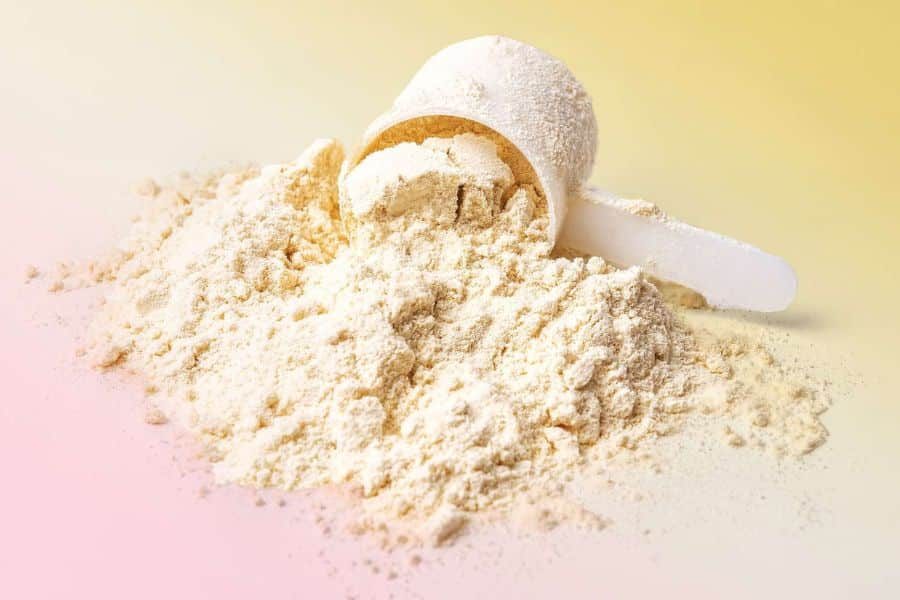
Protein Powder for Kids
Thinking about protein powder for kids? You’ve gotta know first how much protein your little ones need. Kids aren’t tiny adults, so their protein intake is key for them to grow up strong and healthy.
Protein Requirements for Children
Kids need to munch on enough protein to keep their bodies ticking and growing. WHO says they should aim for about 0.66 grams per kilo of their weight as a baseline, then add a bit more to cover all that rapid growing.
| Age Group | Protein Requirement (g/kg/day) |
|---|---|
| Infants (0-6 months) | 1.52 |
| Infants (7-12 months) | 1.20 |
| Children (1-3 years) | 1.05 |
| Children (4-13 years) | 0.95 – 0.90 |
| Teens (14-18 years) | 0.85 |
Source: PMC
High-quality protein comes from breast milk and meat, loaded with those must-have amino acids. Plant proteins? They can lack some goodies and aren’t usually as easy on the tummy (PMC).
Most kids get what they need just from their meals — think meat, milk, and grains. A glass of milk or some chicken here and there does wonders.
- Infants (0-6 months): Start with breast milk or formula, their first protein dose.
- Kids (1-3 years): Mix meats, dairy, beans, and grains into their plates.
- Bigger kids and teens: Bring together proteins from meat, dairy, beans, and whole grains.
Got concerns about diets, especially if your kid skips meat? Check out plant-based protein powder.
Though you might think about shaking up some protein powder, experts, especially over at Cleveland Clinic, say hold up, not unless it’s really needed. Overdoing it on protein can backfire.
If there’s a special reason like health or eating habits that might need supplements, talk to a pediatrician. They’ll point you to the best protein powder for kids and get you on the right track. Always skim the labels for Good Manufacturing Practices and peek at the protein levels and ingredients to dodge too much sugar and those sneakily hidden sweeteners.
Extra Reads Worth a Click:
- plant-based protein powder
- protein powder for weight loss
- protein powder for breakfast
- whey protein powder
When is Protein Powder Necessary?
Medical Conditions and Underweight Kids
Sometimes kiddos might need a little help—especially if they’re dealing with health hiccups or tipping the scales a bit too light. Conditions like metabolism quirks and tricky nutrient absorption can make it hard for them to chow down enough protein just from food. That’s where protein shakes come in, to help them grow strong and healthy. But, don’t play doctor—chat with a real one first! They’ll tell you how much and what kind suits your little munchkin best. Going rogue with protein could mean unwanted weight gain or even taxing those tiny livers, so take care! (Healthline).
And here’s a cheat sheet to keep things simple:
| If your kid has… | Then they might need… |
|---|---|
| Metabolism issues | Protein powder, but keep your doc in the loop |
| A little less meat on the bones | Yep, ask your doctor though |
| Chronic health bumps | Protein decisions crafted by their condition |
For the Little Herbivores: Veggie and Vegan Kiddos
Got a mini vegan or vegetarian at your dinner table? It might be a bit of a challenge squeezing all that protein goodness out of plants alone. Protein powders can come to the rescue, making sure they get all those amino acids their growing bodies crave! (WebMD).
Try out plant-powered protein! They generally vibe well with herbal eaters and can be made from peas, brown rice, or hemp. Just skip the sci-fi ingredients and stick with stuff that has that clean GMP label.
Find out more on how to power up with plants in our handy guide for plant-protein munchkins.
| Herbivore Diet | Protein Powder Checklist |
|---|---|
| Vegan | Go with plant-based options! |
| Vegetarian | Might need it, but it’s totally up to what else they eat |
Getting the right protein brew for your herbivores means they munch and grow without missing a beat! Tap your doc to figure out what’s best for your kiddo, and keep their diet balanced and vibrant!
Risks of Unnecessary Protein Supplements
Potential Side Effects
Giving kids protein supplements they don’t need is like handing them trouble in a cute little can. Here’s some food for thought before tossing protein powder into your child’s smoothie:
| Side Effect | What’s The Deal? |
|---|---|
| Chubbier Cheeks | Extra protein means more calories, and likely more pounds. |
| Kidney and Liver Strain | Too much of a good thing can lead to kidney stones or a bummed-out liver. |
| Thirst Trap | High protein can make your kiddo thirstier than a desert cactus. |
| Meal Replacement | Imagine your child preferring a shake over spaghetti night. That’s what might happen. |
| Mystery Ingredients | With no FDA seal, it’s a wildcard of what’s hiding in those scoops. |
Most kiddos are doing just fine with regular food, packed with all the protein they need. If you’re worried your child’s about as protein-packed as a salad, a quick chat with their doc is the best first step. You might also want to look into the best powder for growing muscles.
American Academy of Pediatrics Recommendations
The sensible folks at the American Academy of Pediatrics say adding unnecessary protein powders to kids’ diets is a no-go. Instead, a balanced meal plan should cover their nutritional bases with:
- Moo juice or soy drinks
- Meat bites
- Beans and their pal legumes
- Carby grains
- All things dairy
If your little munchkin is guzzling their recommended daily glass of milk, guess what? They’re likely hitting their protein goals without a second thought. Savory and sweet meals like a turkey sandwich or a cheesy quesadilla could easily round out their diet. Find other natural protein goodies for your young ones and chat with the pros before bagging a big ol’ tub of powder. Check out more on how protein plays a part in health with tales of protein powder perks and what’s next with whey protein.
Choosing the Right Protein Powder
Picking out the perfect protein powder for kids isn’t rocket science, but it does need a bit of thought. You want something with the right hit of protein, minimal weird stuff, low sugar, and without a chemical slurry of sweeteners. Oh, and keep an eye out for that trusty Good Manufacturing Practices (GMP) label like it’s your kid’s favorite toy.
Protein Levels and Ingredients
Protein’s like the VIP of nutrition, so you’ve got to get the dose just right for your young ones. Not too much, not too little, you know the Goldilocks way. Healthline gives a thumbs up to powders that keep the ingredients list shorter than your grocery list. Here’s a starter pack to help you size up the protein content and what’s inside:
| Protein Powder Type | Protein per Serving (g) | Key Ingredients |
|---|---|---|
| Whey Protein Powder | 20 | Whey protein concentrate, Vanilla flavor |
| Plant-Based Protein Powder | 15 | Pea protein, Brown rice protein, Cocoa |
| Protein Powder for Breakfast | 12 | Soy protein isolate, Natural flavors |
Sugar Content and Artificial Sweeteners
Those sneaky sugars and artificial who-knows-what can sometimes hide in your protein powder, stealing any health cred. Check the packaging like you’re Sherlock at a crime scene––low sugar and zero sketchy sweeteners. Natural goodies like stevia or monk fruit get the green light. A quick look:
| Protein Powder Type | Sugars per Serving (g) | Sweeteners Used |
|---|---|---|
| Protein Powder for Weight Loss | 1 | Stevia |
| Protein Powder for Vegans | 3 | Monk Fruit |
| Protein Powder for Muscle Recovery | 0 | No added sweeteners |
Good Manufacturing Practices Label
Think of the GMP label as the official stamp that says, “Yep, this stuff is A-OK.” It’s like having a promise that what’s written on the box is what’s actually inside, without any cringe surprises. So, don’t just eyeball that tub of powder—make sure it’s got the GMP badge. For more on how to not get bamboozled by a bad batch, our protein powder benefits piece has got you covered.
Finding the right protein powder isn’t just about the numbers on the pack; it’s about nabbing something that’ll back your kid’s health journey without any hiccups. Protein, clean ingredients, sugar balance, natural sweeteners, and that rock-solid GMP assurance are your buddies in this mission. For even more ideas on how to sneak in that protein boost, check out how to make protein powder a breakfast buddy in our detailed guide.
Athlete Protein Needs
Protein Recommendations for Young Athletes
Got a youngster who’s running circles around you in the sports department? Well, their energy needs are a tad more demanding than yours. Young sports enthusiasts aren’t just burning calories; they’re growing and developing too. So, they need more protein—around 1.0-1.4 grams per kilogram each day. That means they need extra fuel to build those muscles, fix the wear and tear, and keep their engines revving for exercise.
Here’s a quick rundown:
| Weight (lbs) | Protein Requirement (g/day) |
|---|---|
| 100 | 45 – 64 |
| 120 | 54 – 76 |
| 150 | 68 – 95 |
| 180 | 81 – 114 |
But don’t think boosting protein alone will turn your kiddo into the next muscle-bound superhero. They also need to pump some iron and let those youthful hormones do their thing for real muscle gain.
Thinking about protein powders for a quick fix? Let’s help you find the best one for muscle gain.
Protein Intake for Muscle Building and Repair
Time to talk about how to keep those muscles in top shape. Eating protein in bits throughout the day, especially around workout time, is a smart move. Just a heads-up, protein should be on the menu for snacks pre- and post-activity, aiming for 20-25 grams.
Check these out:
| Food Item | Protein Content (g) |
|---|---|
| 4 oz Chicken | 25 – 30 |
| 4 oz Fish | 25 – 30 |
| 4 oz Beef | 25 – 30 |
| 1 Egg | 6 |
| 1 Cup Milk | 8 |
And if you’re on the go and in need of a quick hit of protein, mix whey protein or turn to plant-based options. They’re handy for meeting those protein numbers without going overboard.
Interested in mixing up their menu? Check our tips on sneaking in protein from good ol’ natural sources in this handy guide or try clever food swaps for those fussy eaters.
Now, before you rush to serve up a high-protein, low-carb feast, be cautious. Overdoing it can lead to some digestive drama, not to mention stressing the liver and kidneys. Balance is key, ensuring they’re fit and firing on all cylinders as they chase those athletic dreams.
Alternatives to Protein Powder
If you’re thinking there’s only one way to ensure your little one gets enough protein, think again! Let’s chat about the simple, everyday foods that pack a protein punch naturally, perfect for kids.
Natural Protein Sources for Children
You know what’s cool? Nature’s got you covered when it comes to protein. These wholesome foods are not just about filling tummies—they’re the building blocks for your kiddo’s growing body. Check these out:
- Eggs: Breakfast superstar! A single large egg brings 6 grams of protein to the table.
- Chicken: Juicy chicken breast, just three ounces, serves up 24 grams of protein.
- Fish: Depending on the catch of the day, a three-ounce serving can serve about 20 grams of protein.
- Dairy Products: Havin’ milk, cheese, or yogurt? These are all creamy sources of protein goodness.
- Beans and Legumes: Beans, beans, they’re good for the heart—and muscles! A cup of cooked lentils offers 18 grams of protein.
| Food | Protein Content (grams) |
|---|---|
| Egg (1 large) | 6 |
| Chicken Breast (3 oz) | 24 |
| Fish (3 oz) | ~20 |
| Lentils (1 cup, cooked) | 18 |
Serve these foods up in fun ways; maybe scrambled eggs with veggies or a hearty bean stew! They naturally slot into meals and put powdered protein in the backseat. Curious about mixing it up while keeping it vegetarian or vegan? Check out how we shake things up with our protein powder for vegetarians story.
Food Swaps for Picky Eaters
Got a little one who’s picky with a capital ‘P’? No sweat! Sneak in those proteins with these clever ideas:
- Greek Yogurt instead of Regular Yogurt: Greek brings more protein to the party. Toss in fruit or a swirl of honey to keep ’em sweet.
- Chickpea Pasta instead of Regular Pasta: This twist on a classic ups the protein ante.
- Nut Butters: Spread some creamy peanut or almond butter on whole-grain bread or apple slices. Yum and packed with protein!
- Smoothies: Blend up Greek yogurt, a dash of milk or soy milk, and some fruity goodness. More tips in our protein powder for smoothies feature.
| Food Swap | Protein Increase (grams) |
|---|---|
| Greek Yogurt vs. Regular Yogurt (1 cup) | +6 |
| Chickpea Pasta vs. Regular Pasta (1 cup) | +8 |
| Nut Butter (2 tbsp) | 8 |
These swaps sneak in more protein and make snack time a breeze. Remember, a variety of foods keeps things balanced, just like we discuss in our balanced diet section.
Instilling these choices not only helps nourish but also fosters lifelong healthy habits. Weighing up the shakes? Make sure to peek at the potential pitfalls around Risks of Unnecessary Protein Supplements first.
Using these easy, natural options ensures the energy and nutrients keep flowing, sans the powder. Eager to know more about picking the best protein powder? Hop over to our guide on best protein powder for muscle gain.