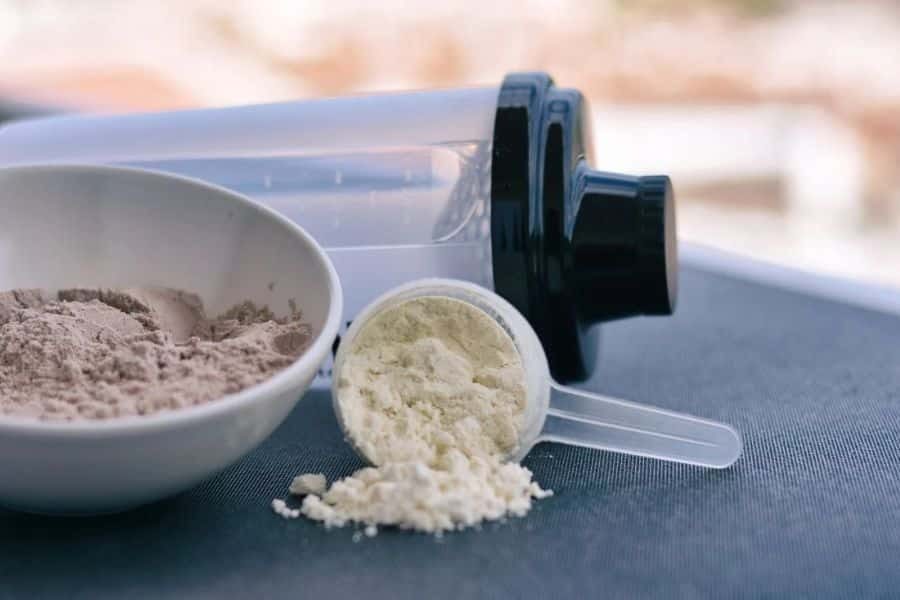
Understanding Protein Powder
Introduction to Protein Powders
Protein powder’s like that one friend who simply won’t stop being talked about—and for good reason. Whether you’re looking to bulk up, slim down, or just feel better, it’s got a place in your daily grind. Think of it as the concentrated punch of protein coming from either animal or plant powerhouses, giving you 20–30 grams with each scoop (Healthline).
If you’re constantly hustling and feel like gnawing on grilled chicken every few hours isn’t your thing, protein powder’s your go-to pal. You can grab it as whey protein or maybe plant-based protein if you’re riding the vegan wave. There’s something for all taste and lifestyle palettes.
Benefits of Protein Powders
Protein powder ain’t just about flexing in front of the mirror. There’s a bunch it does for you:
Supports Muscle Growth
Picture this: You’ve just hit the gym hard, sweating bullets. Now’s the prime time for some protein powder action. It feeds your muscles the amino acids they crave to rebuild and grow, making it a top contender for muscle gain and muscle recovery.
Weight Management
Ever tried counting calories while that slice of cake just mocks you? Meal shakes using protein powder can be a saving grace. They’re balanced with all that’s good: protein, fiber, vitamins, and minerals to keep hunger pangs at bay.
| Nutrient | Average Amount per Scoop |
|---|---|
| Protein | 25 grams |
| Calories | 150 |
| Fiber | 5 grams |
| Vitamins & Minerals | Varies |
Convenience
Got a jam-packed schedule? Protein powder is your quick fix. Toss a scoop into water or milk, blend it into a smoothie, and boom—your healthy snack is good to go!
Improved Overall Health
Our bodies need protein for just about everything—strong skin, lush hair, rock-hard nails, and a killer immune system. Slip some protein powder into your mix and you’re covering those daily nutritional bases while giving overall well-being a solid boost.
Curious about more health perks? Dig into our deep dive on protein powder benefits.
Understanding how protein powder powers through your goals can help you decide when and how to mix it in—whether that’s for meal subs, muscle build-up, or just keeping you feeling awesome.
Types of Protein Powders
When you’re on the hunt for the best meal replacement study buddy, a trusty protein powder can be your go-to snack. Let’s chat about the big players: whey protein, soy protein, and the plant-based variety-club.
Whey Protein
Whey protein’s like the pop star of the protein world. It’s super popular and for a good reason—packed with all the amino goodies your body loves and it’s gentle on your gut. There are two main jams in the whey lineup: isolates and concentrates. Great for post-gym hangs to aid muscle TLC (Cleveland Clinic).
| Whey Gang | What It’s Got | Best For |
|---|---|---|
| Isolate | Tons of protein, less fat and lactose | Post-sweat sessions |
| Concentrate | Balanced protein, more fat and lactose | Everyday munching |
Need an energy lift and stress buster? Whey can help with that too! Peep our whey protein powder page for the scoop.
Soy Protein
Plant-based peeps, soy protein’s got your back. Soy is a champ at doing good things like lowering cholesterol and supporting those bones you count on. It’s loaded with all the essential aminos you need.
Soy doesn’t just build muscle; it’ll help with gains in strength and making you lean like its whey buddy. Plus:
- Tames menopausal drama
- Boosts bone vibes
- Won’t mess with man-cave hormones or women’s health (Precision Nutrition)
Curious if soy’s your jam? Head over to our protein powder benefits section for the details.
Plant-Based Proteins
For the veggie lovers and the vegan crew, plant-based proteins are a solid choice. These powders hail from the likes of peas, rice, spuds, or hemp. Though they vary in protein oomph, many include a host of essential vitamins and minerals.
| Plant-Based Choice | Where It’s From | Features at a Glance |
|---|---|---|
| Pea Protein | Peas | Easy to digest, no allergies, needs a boost in EAA methionine |
| Rice Protein | Rice | Allergy-friendly, needs more lysine love |
| Hemp Protein | Hemp seeds | Omega-3 party, less protein power |
Pea and rice often team up to make a complete aminos ensemble (Precision Nutrition). Choose the one that vibes with your diet.
To find more plant-based picks, check out our plant-based protein powder section.
Decide which protein powder fits you like a glove, whether you’re chasing muscles, minding your waistline, or just aiming for that all-around healthy glow. Check out our pages on best protein powder for muscle gain and protein powder for weight loss for more tricks and tips.
Choosing the Right Protein Powder
We get it. Picking the perfect protein powder can feel like picking the best karaoke song—lots of options and some can leave you cringing. But worry not, this guide’s got the lowdown on picking the best one to fit your jam.
Considerations for Selection
To keep you from wandering the supplement aisle cluelessly, consider these things:
-
Dietary Preferences: What are you munching on these days? If animals aren’t your thing, look for plant-based protein powder like pea or soy. These options cater to vegans and vegetarians and don’t compromise on taste or nutrients.
-
Nutritional Content: Treat that label like a juicy gossip column—read it closely! Look out for the balance of protein, carbs, fats, and calories, and pick what’s right for your diet goals.
-
Digestibility: No one wants a stomach that sounds like a thunderstorm. Ease of digestion is key. Pea protein, for example, is gentle on the tum and won’t have you running to the nearest restroom.
-
Additives: Sneaky sugars and artificial flavors can mess with your health vibes. Opt for cleaner options that avoid unnecessary junk.
-
Processing Method: This isn’t a chemistry class, but different processes do matter—concentrates, isolates, and hydrolysates all have their thing.
Factors Influencing Choice
Unlock the secret to protein success with these considerations:
-
Source of Protein:
- Whey Protein: Think of it like the Usain Bolt of proteins—quick and full of those fancy BCAAs perfect for post-gym shakes.
- Soy Protein: This one’s the multitasker, building those muscles while also having your back against high cholesterol and osteoporosis.
- Plant-Based Protein: A veggie lover’s dream. Affordable, gentle, and perfect for Earth lovers (Precision Nutrition).
-
Nutritional Needs:
- For Muscle Gain: Go heavy on BCAAs and protein. Visit the beefed-up article on best protein powder for muscle gain.
- For Weight Loss: Keep it light—check low-cal, low-fat options in our protein powder for weight loss section.
-
Diet Compatibility:
- Keto Diet: If you’re counting carbs more than sheep, check our protein powder for keto diet for fits.
- Low-Carb Diet: Hunt for carb-light powders in our protein powder for low-carb diet.
- Paleo Diet: Get back to caveman basics with minimally processed powders. Dig protein powder for paleo diet for ideas.
Comparison Table
Let’s compare—without the quizzes:
| Protein Source | Digestibility | Key Benefits | Suitable For |
|---|---|---|---|
| Whey | High | Quick, BCAA-rich | Post-sweat sesh, muscle boost |
| Soy | Moderate | All-in-one protein, heart buddy | Health buffs, muscle building |
| Pea | High | Tummy-friendly, hypoallergenic | Plant lovers, wallet watchers |
Looking for more tailored advice? Peek at protein powder for women, protein powder for seniors, and protein powder for athletes.
With this wisdom, you’re set to pick the perfect powder pal for reaching those health goals you’ve got your sights on!
Protein Powder for Weight Loss
Role in Weight Management
Protein powder’s like the magic potion in the world of weight watching. Mix it into your meals, and watch that calorie count go down while the scales might just do their part over time. The smarty-pants folks over at Mayo Clinic pointed out that swapping meals for protein shakes might trim down your daily calorie consumption, which can help you shed those unwanted pounds.
What’s fantastic about protein powder is how it fills you up. When you gobble up more protein, it’s kinda like putting a lock on your fridge – you feel stuffed for longer, stopping those sneaky snack attacks between meals. Say goodbye to those eat-it-all nights. This sense of feeling fuller acts like a reliable buddy in your calorie-cutting mission (Healthline).
| Protein Consumption (g) | Feel Full Effect |
|---|---|
| ≤20 | Feels kinda full-ish |
| >35 | Super full, no thanks needed |
| 20 – 35 | Just right for keeping those hunger gremlins at bay |
Source: Healthline
Impact on Muscle Mass
Protein powder isn’t just about keeping cravings in check, it muscles up its role by helping maintain or even add to your muscle mass. This is mega-important because muscles are the turbo boost for your metabolism. Keep that lean muscle, and you’ll burn calories even while binge-watching your favorite shows.
A study spanning 13 weeks on older folks showed that those with an extra 20 grams of protein in their diet – thanks to shakes – packed on 2.8 pounds more muscle mass compared to others chomping on less (Healthline).
Keeping your muscle might make you feel stronger and sprightlier. If your aim dances around building or keeping muscle while ditching fat, protein powder can be your sidekick in muscle repair and growth, especially post a heavy workout session.
Got muscle on the mind? Hit up our guide on the best protein powder for muscle gain.
| Study Peek | Extra Protein (g) | Muscle Mass Boost (lbs) |
|---|---|---|
| 13-weeks long | +20 | 2.8 over the others |
Stadistics from Healthline
When you add protein powder to your menu, you’re not just eyeing a slimmer self, you’re adding to those muscles too. Want the rundown on protein types catered to your whim? Dive into our pieces about whey protein powder, plant-based protein powder, and protein powder for women.
Meal Replacement Shakes
Using Shakes for Meal Replacement
Swapping a meal for a shake is a straightforward way to keep your calories in check if weight loss or calorie control is your game. Most of these shakes pack about 150 to 200 calories.
These shakes usually come loaded with fiber, keeping your digestion happy and sidestepping any pesky bloating or constipation (WebMD). By having these shakes, you’re not just controlling calories – you’re feeling satisfied and hitting those weight loss goals squarely.
| Feature | Benefit |
|---|---|
| Calorie Control | 150 – 200 calories per shake |
| Nutritionally Complete | Essential macronutrients & micronutrients |
| High Fiber | Supports smooth digestion, keeps bloating at bay |
To keep things on track, mix in these shakes with tasty whole-food meals. This way, you cover all nutritional bases these shakes might miss. For more insight on protein powders, cruise through our other content on the subject.
Criteria for Effective Shakes
Picking the right shake? Pay attention to a few vital things to get something that’s both effective and nutritious.
-
Nutritional Content: Top shakes serve a balanced mix of protein, carbs, and fats. Zero in on ones with 15-25 grams of protein per serving, as protein keeps you full and helps with muscle maintenance.
-
Calorie Count: A shake for smart weight management generally has 150 to 200 calories. This keeps you satisfied while maintaining the calorie deficit needed to shed pounds.
-
Fiber Content: Fiber is your friend for digestion and feeling full. Seek shakes packing at least 5 grams per serving (WebMD).
-
Sugar and Sweeteners: Go for shakes low on added sugar to dodge sneaky calories. Natural sweeteners like stevia or monk fruit are the way to go over their artificial cousins.
-
Vitamins and Minerals: A solid shake is fortified with vital vitamins and minerals to meet your daily needs. This covers vitamins A, C, D, B-complex, and minerals like calcium and magnesium.
-
Ingredients: Choose shakes with quality, natural ingredients. Steer clear of artificial stuff, preservatives, and fillers.
| Criteria | Ideal Amount |
|---|---|
| Protein | 15-25 grams |
| Calories | 150-200 calories |
| Fiber | At least 5 grams |
| Sugar | Low added sugar, natural sweeteners |
| Vitamins & Minerals | Essential vitamins and minerals |
If you’re hunting for protein powders for meal replacement shakes, check out our articles on whey protein powder and plant-based protein powder. Adding these shakes to your diet can give your weight goals and muscle growth the boost they need.
Safety and Considerations
Piling protein powder into your daily meals can be handy, but before you become a shake fanatic, here’s the lowdown on what you should know first.
Protein Intake Guidelines
How much protein should you gulp down in a day? That’s the million-dollar question. For the average Jane and Joe, we’re talking 46 grams for women and 56 for men. That’s the gospel according to Harvard Health Publishing. Of course, if you’re a gym rat or just like to flex those muscles, you might need more. Activity levels, hormones, and meal choices can all play into this.
Let’s peep at some numbers:
| Gender | RDA (g/day) |
|---|---|
| Women | 46 |
| Men | 56 |
Fitness fanatics, pay attention! You’ll probably aim somewhere between 1.2 and 2.0 grams per kilogram of your body weight. Yes, your protein needs may be as unique as your personality, but you get the drift.
| Activity Level | Protein Intake (g/kg/day) |
|---|---|
| Couch Potato | 0.8 |
| Gym Regular | 1.2 – 2.0 |
A good rule of thumb: It’s all about balance. Most can manage about 1.5 grams per pound daily if they’re munching on some good ol’ whole foods along with their shakes. Think of wholesome stuff like chicken, fish, dairy, nuts, and everything but the kitchen sink.
Potential Risks and Side Effects
Hold your horses before you go all-out on the powder. Yeah, it’s convenient, but there are a few bumps on the road to protein paradise. Too much protein could spell trouble down the line if you’re not careful.
- Kidney Caution: Your kidneys are not fans of protein overload, especially if they’re already doing overtime on medical issues.
- Gut Busters: Too much powder all at once can leave you hugging the toilet with issues like bloating or gassy moments you’d rather forget.
- Imbalance Blues: Going protein mad might mean you miss out on other nutrients, which could eventually take its toll.
The golden rule here? Stick to the guidelines, make whole foods your main squeeze, and spice things up with shakes sparingly. And remember, you know your body best—when in doubt, ring up your healthcare pal.
Curious for more protein wisdom? Get cozy with articles on whey protein powder, plant-based protein powder, or if shedding pounds is on your agenda, swing by our piece on protein powder for weight loss. Dive in and stay informed!