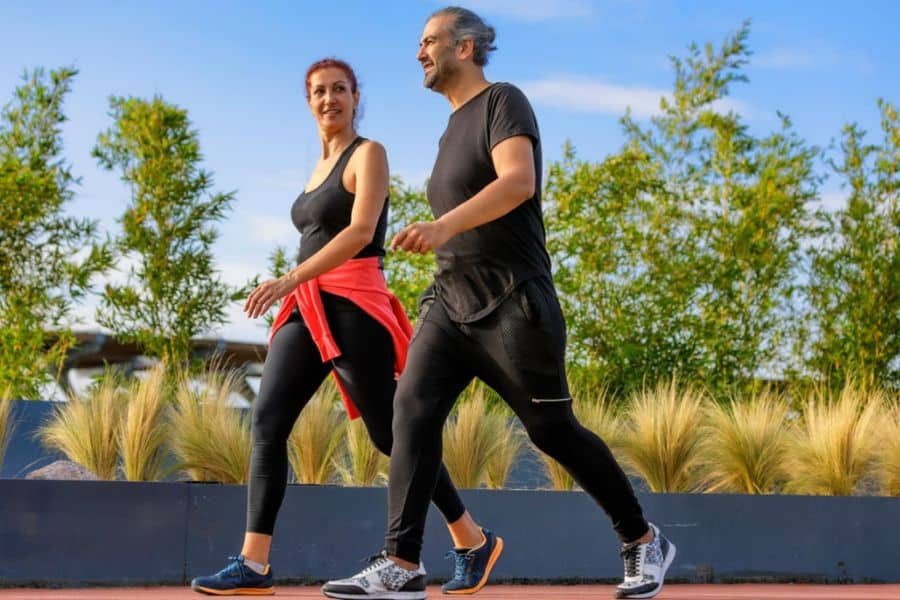
Benefits of Walking Exercise
Importance of Walking Warm-Up
Before you hit the pavement, it’s smart to get those muscles and joints ready. A quick warm-up can make your walk more comfy and keep injuries at bay. Mark Fenton’s got some easy-peasy warm-up moves that target the muscles you use most when walking. You can do these standing up, and they only take about three minutes (PBS).
Warming up is like giving your body a heads-up that it’s time to move, making your walk feel better and helping you recover faster afterward (SilverSneakers). Try these simple warm-up exercises:
- Leg Swings: Stand on one leg and swing the other leg back and forth.
- Arm Circles: Stretch your arms out and make little circles.
- Ankle Rolls: Lift a foot and twirl your ankle around.
Health Benefits of Brisk Walking
A brisk 10-minute walk each day packs a punch and helps you hit that 150-minute weekly exercise goal for adults aged 19 to 64 (NHS). Brisk walking is like moving at about 3 miles per hour—faster than a casual stroll. You know you’re doing it right if you can chat but not belt out a tune (NHS).
Just 30 minutes of walking daily can do wonders: it boosts heart health, strengthens bones, trims body fat, and ups muscle strength and endurance. Plus, it helps fend off heart disease, type 2 diabetes, osteoporosis, and some cancers (Better Health Victoria).
| Health Benefit | Description |
|---|---|
| Cardiovascular Fitness | Keeps your heart and lungs in top shape |
| Bone Strength | Builds strong bones and fights osteoporosis |
| Weight Management | Helps shed extra pounds |
| Muscle Endurance | Increases muscle strength and stamina |
| Disease Prevention | Cuts down the risk of heart disease, type 2 diabetes, and some cancers |
Want to know how to make walking a part of your daily life? Check out our article on walking exercise routine. If you’re curious about walking indoors, take a peek at our guide on indoor walking exercise.
Starting a Walking Routine
Incorporating Walking into Daily Life
Getting your feet moving can be a game-changer for your health and mood. Here’s how you can sneak some steps into your day without breaking a sweat:
- Walk to Work or School: If you can, hoof it to your job or school. If that’s a stretch, park a bit farther away or hop off the bus a few stops early. Every step counts!
- Take the Stairs: Ditch the elevator and take the stairs. It’s a small tweak that can make a big difference over time.
- Walk During Breaks: Use your lunch break or any short pause to stretch your legs around the block or your building.
- Run Errands on Foot: Got errands? If they’re close by, leave the car keys at home and walk to the store or post office.
- Schedule Walking Meetings: If your job’s cool with it, suggest walking meetings instead of the usual sit-downs. Fresh air might spark fresh ideas!
These little changes can turn walking into a habit. For more ways to sneak in steps, check out our article on walking exercise tips.
Motivation and Engagement Strategies
Keeping the pep in your step is key to sticking with your walking routine. Here’s how to keep it fun and fresh:
- Set Realistic Goals: Start small, like a 10-minute walk a day, and slowly ramp it up. Realistic goals keep you motivated and let you see your progress. For more on goal setting, visit our section on setting realistic walking goals.
- Listen to Music or Podcasts: Jam out to your favorite tunes or dive into a podcast while you walk. It makes the time fly by.
- Join a Walking Group: Walking with others can be a blast and keeps you accountable. Join a local group or round up friends and family. Groups like Ramblers can make walking more fun (NHS).
- Explore Different Routes: Mix it up by trying new paths, parks, or trails. Keeps things interesting and beats boredom.
- Track Your Progress: Use a pedometer, fitness tracker, or app to keep tabs on your steps, distance, and calories burned. Seeing your progress can be a real motivator. For more on tracking, visit our section on monitoring physical activity.
- Reward Yourself: Hit milestones and treat yourself. Whether it’s a snack or new walking gear, rewards keep you going.
These strategies can help you stay pumped about your walking routine. Remember, the secret sauce is consistency and making walking a regular part of your day. For more tips on staying motivated, check out our article on walking exercise motivation.
| Strategy | Description |
|---|---|
| Set Realistic Goals | Start small and gradually increase your walking time and intensity. |
| Listen to Music or Podcasts | Enjoy tunes or podcasts to make walking more fun. |
| Join a Walking Group | Walk with others for social fun and accountability. |
| Explore Different Routes | Keep it fresh by trying new paths and trails. |
| Track Your Progress | Use gadgets or apps to monitor your activity. |
| Reward Yourself | Celebrate milestones with treats or new gear. |
Follow these tips, and you’ll be strutting your way to fitness in no time. For more info on walking exercises, visit our guide on walking exercise for beginners.
Walking Exercise Techniques
Effective Warm-Up Exercises
Before you hit the pavement, it’s a good idea to get those muscles and joints ready for action. A proper warm-up gets the blood flowing, makes your workout more comfy, and helps keep injuries at bay. Here’s a quick list of warm-up moves to get you started:
- Shoulder Rolls: Stand with your feet about hip-width apart. Roll your shoulders forward in circles for 10-15 seconds, then switch it up and roll them backward.
- Torso Twists: Put your hands on your hips and gently twist your upper body from side to side. Do this for 10-15 seconds.
- Foot Rockers: Stand with your feet together. Rock back and forth from your heels to your toes for 10-15 seconds.
- Leg Swings: Grab onto a wall or something sturdy for balance. Swing one leg forward and backward, then switch to the other leg. Do this for 10-15 seconds on each leg.
You can knock these out in about three minutes while standing up (PBS). For more warm-up tips, check out our article on walking exercise tips.
Dynamic Moves for Walking
Adding some dynamic moves to your warm-up can really get your muscles in gear for walking. These moves mimic walking and get the muscles you’ll use all fired up. Here are a few to try:
- High Knees: March in place, bringing your knees up towards your chest. Do this for 30 seconds.
- Butt Kicks: Jog in place, kicking your heels up towards your backside. Keep it going for 30 seconds.
- Arm Circles: Stretch your arms out to the sides and make small circles. Gradually make the circles bigger. Do this for 30 seconds.
- Lunges: Step forward with one leg and lower your body until your front knee is at a 90-degree angle. Return to the start and switch legs. Keep it up for 30 seconds.
A good warm-up for walking includes three to five minutes of easy walking along with these dynamic moves (SilverSneakers). For more on walking exercises, visit our page on walking exercise routine.
By mixing these warm-up exercises and dynamic moves into your routine, you’ll be setting yourself up for a safe and effective walking workout. For more resources, check out our articles on walking exercise for beginners and walking exercise benefits.
Walking for Health and Weight Loss
Guidelines for Aerobic Activity
Walking is a top-notch way to boost your health and shed some pounds. The Department of Health and Human Services suggests that most folks should aim for at least 150 minutes of moderate aerobic activity or 75 minutes of the more intense stuff each week. Brisk walking fits the bill perfectly for moderate exercise.
If you’re looking to up the ante, shoot for 300 minutes or more of moderate aerobic activity weekly. This can really help with weight loss or keeping those pounds off. And hey, even short bursts of activity throughout your day can do wonders for your health.
| Activity Level | Weekly Duration |
|---|---|
| Moderate Aerobic Activity | 150 minutes |
| Vigorous Aerobic Activity | 75 minutes |
| Enhanced Health Benefits | 300 minutes or more |
Want to know how to fit walking into your day? Check out our walking exercise routine guide.
Strength Training Recommendations
Besides walking, it’s a good idea to throw in some strength training. The experts say you should work all major muscle groups at least twice a week. No need to live at the gym; just one set of each exercise can make a difference.
Pick a weight or resistance that makes your muscles feel the burn after 12 to 15 reps. You can use free weights, resistance bands, or just your body weight. Adding strength training to your walking routine can help you build muscle, rev up your metabolism, and boost your overall fitness.
For more on mixing walking with strength training, check out our article on walking exercise with weights.
By sticking to these aerobic and strength training tips, you can whip up a balanced walking program that helps you hit your health and weight loss targets. For more resources and advice, dive into our walking exercise program and walking exercise tips sections.
Progress Tracking and Goal Setting
Monitoring Physical Activity
Keeping tabs on your progress is a game-changer when you’re kicking off a walking exercise routine. Watching your physical activity can give you that extra push and a pat on the back. Here’s how you can keep an eye on your walking adventures:
- Gadgets and Gizmos: Things like pedometers and activity trackers are your new best friends. They count your steps, measure the distance, and clock your walking time. These nifty devices give you instant updates and can hang out with you all day.
- Apps: Apps like the Active 10 app are like having a personal coach in your pocket. They track how long and fast you walk, help you set goals, and even give you a high-five when you hit them. Perfect for newbies wanting to keep tabs on their walking.
- Old School Logs: Writing down your walking sessions can work wonders too. Jot down the date, time, distance, and any thoughts on how you felt during your stroll.
| Tracking Method | Features |
|---|---|
| Gadgets | Steps, distance, time, instant updates |
| Apps | Duration, pace, goal setting, rewards |
| Old School Logs | Date, time, distance, personal notes |
Checking in on your fitness level is a smart move. The Mayo Clinic suggests you take a look at your progress six weeks after you start and keep checking every few months. Tweak your exercise time based on what you want to achieve, and if you’re feeling blah, mix things up with new goals or activities.
Setting Realistic Walking Goals
Setting goals that make sense is key for beginners. Start with easy-peasy goals and slowly ramp up the time and effort of your walks. Here’s how to set goals you can actually hit:
- Baby Steps: Kick off with a goal you can handle, like a 10-minute walk each day. As you get stronger, stretch it out longer.
- Routine Times: Pick specific times in your day for walks. Sticking to a schedule helps make it a habit.
- Celebrate Wins: Give yourself a pat on the back for every little win. It keeps you pumped and on track with your walking plan.
| Goal Type | Example |
|---|---|
| Starting Goal | Walk for 10 minutes a day |
| Midway Goal | Bump it up to 20 minutes a day after two weeks |
| Big Picture Goal | Walk briskly for 30 minutes most days of the week |
For health perks, aim to walk briskly for at least 30 minutes most days. ‘Brisk’ means you can chat but not belt out a tune, and you might be a bit out of breath (Better Health Victoria). If shedding pounds is your aim, think about longer walks. For more on walking to lose weight, check out our piece on walking exercise for weight loss.
By keeping track of your activity and setting goals you can reach, you’ll stay motivated and make steady strides in your walking journey. For more tips and tricks, take a peek at our articles on walking exercise tips and walking exercise plan.
Safety and Gear for Walking
Essential Walking Gear
Starting a walking routine? You gotta have the right stuff to keep things comfy and safe. Here’s what you need:
-
Walking Shoes: These are your best buddies. They should cushion your feet and give you the support you need for light activities. If you’re just getting started, these shoes can double up for gym workouts too. But if you’re planning to go hardcore, you might wanna look into some athletic shoes.
-
Comfortable Clothing: Dress for the weather, folks! Breathable fabrics are your friend when it’s hot, and layering is key when it’s chilly.
-
Reflective Gear: Planning to walk when it’s dark? Reflective gear is a must so cars can see you coming.
-
Hydration: Don’t forget your water bottle. Staying hydrated is super important, especially on those longer treks.
-
Walking Path: Pick a safe path. You don’t want to trip over cracked sidewalks or uneven ground.
Choosing the Right Footwear
Getting the right shoes is like finding the perfect dance partner—they make all the difference. Here’s how to pick ’em:
-
Support and Cushioning: Your shoes should have good arch support and cushioning. This helps absorb shock and keeps your feet and joints happy.
-
Fit and Comfort: Make sure they fit just right. Snug but not squeezing your toes. You need a little wiggle room.
-
Activity-Specific Shoes: If you’re hitting the treadmill, go for running shoes—they offer better support. For weightlifting, you want shoes with a solid, stiff sole.
-
Durability: Go for shoes that last. They might cost a bit more upfront, but they’ll save you cash in the long haul.
| Shoe Type | Recommended Use | Key Features |
|---|---|---|
| Walking Shoes | Daily walks, light gym workouts | Good cushioning, arch support |
| Running Shoes | Running, treadmill workouts | Enhanced support, better cushioning |
| Weightlifting Shoes | Weightlifting, power lifts | Sturdy sole, heel lift for mobility |
Want more tips on walking gear? Check out our articles on walking exercise equipment and walking exercise tips.