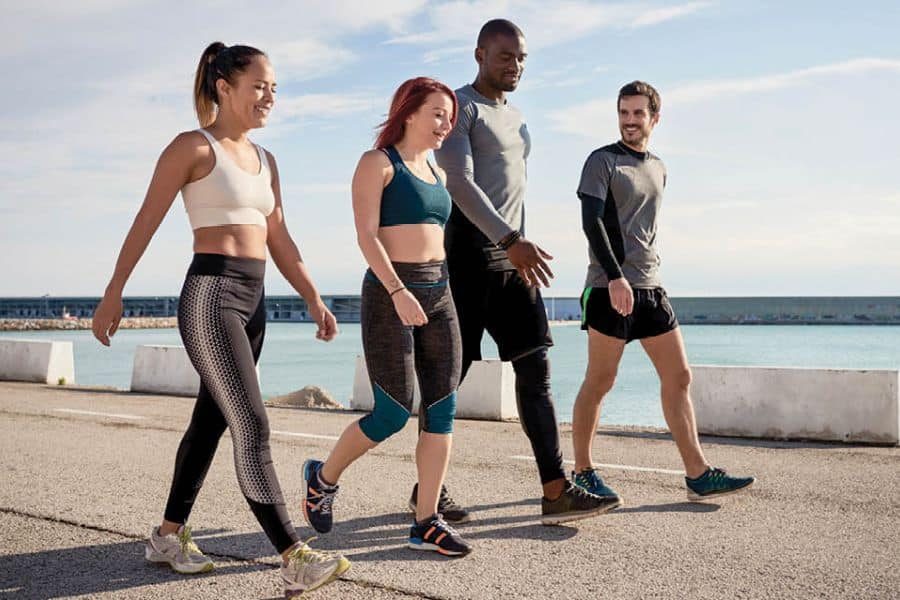
Benefits of Walking for Exercise
Improving Heart Health
Walking ain’t rocket science, but it’s a powerhouse for your ticker. Just a brisk stroll can get your heart pumping and blood flowing like a champ. The folks at Mayo Clinic say the more you walk, the better it gets. A half-hour walk each day can boost your heart’s fitness, make your bones tougher, trim that extra flab, and give your muscles a good workout. Plus, it can lower the chances of getting hit with heart disease, type 2 diabetes, osteoporosis, and even some nasty cancers (Better Health Victoria).
Increasing Endurance
Want to keep going without running out of steam? Walking’s got your back. Make it a habit, and you’ll find yourself with more pep in your step. It’s all about getting your body to use oxygen like a pro. The Mayo Clinic backs it up: the more you walk, the more you gain. Just 30 minutes a day can do wonders for your heart, bones, and muscles.
Burning Calories
Looking to shed some pounds without breaking the bank? Walking’s your ticket. How many calories you torch depends on your weight, speed, and how long you hit the pavement. Regular brisk walks can do wonders for your heart, stamina, and waistline. The Mayo Clinic says the more you walk, the more you burn. It’s a great way to keep your immune system in check and offers benefits similar to jogging (Mayo Clinic Health System).
| Weight (lbs) | Walking Speed (mph) | Calories Burned (30 mins) |
|---|---|---|
| 125 | 3.5 | 120 |
| 155 | 3.5 | 149 |
| 185 | 3.5 | 178 |
| 125 | 4.0 | 135 |
| 155 | 4.0 | 167 |
| 185 | 4.0 | 200 |
Want to make walking a part of your fitness game? Check out our guides on walking exercise routine and walking exercise plan.
Enhancing Your Walking Routine
Want to spice up your strolls and get more bang for your buck? Let’s jazz up your walking for exercise program with some nifty tricks. These moves will help you torch more calories, boost your heart health, and keep your walks from getting dull.
Interval Training
Mix it up with interval training—switch between fast and slow walking. This method can really pump up your heart health and burn more calories than just a regular walk (Mayo Clinic). Here’s a simple plan to kick things off:
| Interval Type | Duration |
|---|---|
| Warm-up (easy walk) | 5 minutes |
| Fast walk | 2 minutes |
| Easy walk | 1 minute |
| Repeat fast and easy walk intervals | 20 minutes |
| Cool-down (easy walk) | 5 minutes |
Engaging the Upper Body
Get those arms moving to supercharge your walk. You can use walking poles, carry light weights, or just swing your arms with a bit more oomph. This not only tones your arms, shoulders, and back but also gives you a full-body workout (Howdy Health).
Try these arm exercises while you walk:
- Arm Circles: Stretch your arms out and make small circles as you walk.
- Bicep Curls: Grab some light weights and curl them up and down.
- Shoulder Presses: Hold weights at shoulder height and push them up.
Varying Terrain
Switching up where you walk can add a fun twist to your routine and bring extra perks. Walking on different surfaces like grass, sand, or gravel can work your muscles in new ways and help with balance.
Check out these terrain options:
- Hills: Walking uphill cranks up the intensity and builds leg strength.
- Trails: Uneven trails can boost balance and work different muscles.
- Sand: Walking on sand adds resistance, making your muscles work harder.
By mixing in interval training, getting your upper body involved, and changing up the terrain, you can take your walking exercise routine to the next level. For more cool tips on walking workouts, swing by our article on walking exercise tips.
Tips for Effective Walking Workouts
Spicing up your walking routine can help you get better results and keep things fresh. Here are some tips to make your walking workouts more effective.
Adding Resistance Exercises
Throwing in some resistance exercises while you walk can really amp up your workout. It’s like giving your muscles a little extra love. You can grab some light hand weights, use resistance bands, or just rely on your own body weight. Try doing bicep curls, tricep extensions, and shoulder presses as you stroll along.
| Exercise | Equipment Needed | Repetitions |
|---|---|---|
| Bicep Curls | Hand Weights | 10-15 |
| Tricep Extensions | Resistance Bands | 10-15 |
| Shoulder Presses | Hand Weights | 10-15 |
Need more ideas? Check out our article on walking exercise with weights.
Gradually Increasing Distance
Slowly stretching out the distance of your walk can boost the benefits over time. Start with what feels comfy and add a bit more each week. This way, you’ll build up your endurance without risking injury.
| Week | Distance (miles) |
|---|---|
| 1 | 1 |
| 2 | 1.5 |
| 3 | 2 |
| 4 | 2.5 |
Keeping track of your progress can keep you pumped. Try using a walking for exercise app to log your miles and set new goals.
Incorporating Interval Training
Interval training is all about mixing short bursts of high energy with chill-out periods. It can really crank up your walking workout by boosting your heart health and burning more calories than just a regular walk. For instance, you can switch between fast walking for a minute and a more relaxed pace for two minutes.
| Interval | Activity | Duration |
|---|---|---|
| 1 | Brisk Walking | 1 minute |
| 2 | Leisurely Walking | 2 minutes |
| 3 | Brisk Walking | 1 minute |
| 4 | Leisurely Walking | 2 minutes |
Adding interval training can make your workouts more exciting and challenging. For more tips, check out our article on walking exercise tips.
By mixing in resistance exercises, slowly upping your distance, and adding interval training, you can make your walking workouts more effective and fun. For more strategies and tips, explore our walking exercise program and other related articles.
Health Benefits of Walking
Walking is like the Swiss Army knife of exercise—simple, versatile, and packed with perks. Whether you’re trying to shed a few pounds, get your heart pumping, or clear your mind, adding a walking for exercise program to your routine can be your ticket to success.
Weight Loss and Body Composition
Want to lose weight without breaking a sweat? Walking’s got your back. A study showed that brisk walking for about 3 hours a week led to noticeable drops in body weight, BMI, waist size, and fat mass for folks under 50 (Harvard School of Public Health). Women over 50 saw smaller changes, thanks to gains in muscle mass.
| Walking Duration | Calories Burned (per hour) |
|---|---|
| 30 minutes | 150 – 200 |
| 1 hour | 300 – 400 |
Curious about how walking can help you slim down? Check out our article on walking exercise for weight loss.
Cardiovascular Fitness
Just 30 minutes of walking a day can do wonders for your heart, bones, and muscles. Regular strolls can lower your risk of heart disease, type 2 diabetes, osteoporosis, and even some cancers.
| Health Benefit | Improvement |
|---|---|
| Cardiovascular Fitness | Increased |
| Bone Strength | Enhanced |
| Muscle Power | Boosted |
| Endurance | Improved |
Want to know more about how walking can keep your heart happy? Visit our page on walking exercise benefits.
Mental Health Benefits
Walking isn’t just good for your body; it’s a mood booster too. It’s been shown to help with depression and might ease anxiety, stress, and loneliness (Harvard School of Public Health). Plus, it’s better than yoga for improving sleep in cancer patients.
| Mental Health Benefit | Effectiveness |
|---|---|
| Depression | High |
| Anxiety | Moderate |
| Stress | Moderate |
| Loneliness | Moderate |
Looking for ways to walk your way to better mental health? Check out our article on walking exercise tips.
By getting the scoop on walking’s health benefits, you can make smart choices about weaving this easy-peasy exercise into your daily life. Whether you’re aiming to lose weight, boost your heart health, or lift your spirits, a walking exercise program can help you hit your targets.
Walking Program Strategies
Setting Realistic Goals
Alright, let’s talk about setting goals that won’t make you want to throw your sneakers out the window. The Department of Health and Human Services suggests aiming for 30 minutes of activity daily, but let’s start small. Begin with a chill 10-minute walk each day and slowly crank it up. This way, you won’t feel like you’re climbing Everest on day one.
| Goal Type | Example |
|---|---|
| Short-term | Walk 10 minutes daily for a week |
| Mid-term | Bump it up to 20 minutes daily after two weeks |
| Long-term | Hit that 30-minute mark daily within a month |
Tracking Progress
Keeping tabs on your progress is like giving yourself a high-five every time you hit a new milestone. Jot down your steps, distance, and time spent walking. You can use gadgets like activity trackers, apps, or good ol’ pedometers to keep track of your strides. It’s like having a personal cheerleader in your pocket.
| Tracking Method | Benefits |
|---|---|
| Activity Tracker | Real-time data on steps and distance—instant gratification! |
| Mobile App | Detailed insights and progress charts—see your journey unfold |
| Pedometer | Simple step counting—no frills, just results |
Staying Motivated
Keeping the pep in your step is key to sticking with your walking routine. Set easy goals, carve out specific times for your walks, and give yourself a pat on the back when you hit those milestones. Walking with a buddy or joining a group can turn your stroll into a social event, making it way more fun.
| Motivation Strategy | Example |
|---|---|
| Set Simple Goals | Aim for 5,000 steps daily—easy peasy! |
| Schedule Walks | Hit the pavement every morning at 7 AM—start your day right |
| Celebrate Achievements | Treat yourself after reaching a milestone—because you deserve it! |
Mixing walking with some strength training twice a week can really amp up your fitness game. For more cool tips on walking workouts, check out our article on walking exercise tips.
Safety and Injury Prevention
Keeping yourself safe and avoiding injuries is a big deal when you’re getting into a walking exercise program. Here’s some stuff to keep in mind.
Proper Warm-Up and Cool Down
Warming up is like giving your body a heads-up that it’s time to move. Spend 5-10 minutes doing easy stuff like a brisk walk or some dynamic stretches. This gets your heart pumping and muscles ready, cutting down the chance of getting hurt and making your workout better.
Cooling down is just as important. It helps your body chill out and keeps your muscles from getting all tight. Spend another 5-10 minutes doing some gentle stretches or slow walking to let your heart rate come down nice and easy.
Building Strength Gradually
Starting slow and building up is the way to go to keep injuries at bay (OrthoInfo by AAOS). Don’t go all out right away. Exercise can stress your muscles, tendons, and bones, causing tiny injuries. If you keep pushing without rest, you might end up with overuse injuries.
To get stronger and build endurance, gently push your limits. Jumping into intense workouts can lead to nasty injuries like sprains and fractures (OrthoInfo by AAOS). Start with shorter walks and less intensity, then slowly ramp up as you get fitter.
Hydration and Rest
Drinking enough water is key to keeping your energy up and avoiding dehydration while walking. Sip some water before, during, and after your walk. Bring a water bottle, especially if you’re going for a long one.
Rest is just as crucial. Exercise stresses your body, leading to those tiny injuries. Without enough rest, you risk overuse injuries. Make sure you’re getting enough sleep and take days off to let your body bounce back.
| Safety Tips | Recommendations |
|---|---|
| Warm-Up | 5-10 minutes of light activities |
| Cool Down | 5-10 minutes of gentle stretches |
| Hydration | Drink water before, during, and after exercise |
| Rest | Take rest days to allow recovery |
For more cool tips on walking workouts, check out our article on walking exercise tips.