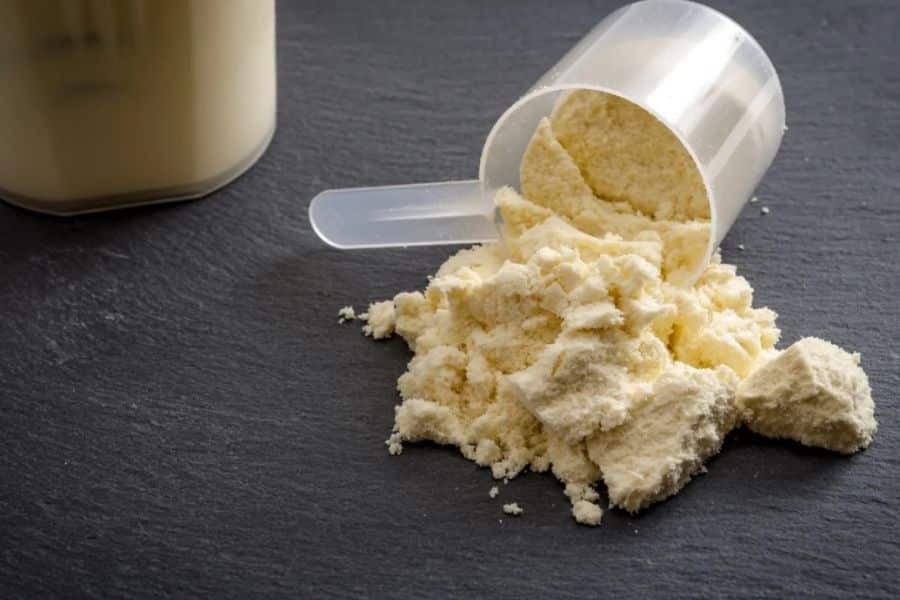
Benefits of Protein Powder
Building Muscle and Strength
You know, protein powder is a go-to for a lot of fitness buffs and athletes aiming to get those muscles popping and power up their strength game. It’s packed with protein, which is crucial for fixing up and bulking up those muscles. A 2018 dive into 49 studies found protein supplements can really pump up muscle size and boost strength for adults hitting the weights (Medical News Today).
Whey protein stands out because it’s like a VIP pass to muscle town. It’s loaded with leucine, an amino acid that practically calls the shots on muscle-building (Healthline). If you’re all about getting those gains, why not check out some whey protein powder options?
Quick Facts on Protein Powder for Muscle Building
- Effectiveness: Buffs up muscle and amps up strength
- Amino Acids: Chock-full of leucine
- Best With: Pumping iron
| Benefit | Protein Powder Type | Relevant Studies |
|---|---|---|
| Muscle Growth | Whey, Soy, Pea | Healthline |
| Strength Gain | Whey, Casein | Medical News Today |
| Muscle Recovery | Whey, Hemp | Journal of the International Society of Sports Nutrition |
For more juicy deets, swing by our page on the best protein powder for muscle gain.
Weight Management Support
Protein powder isn’t just for bulking up – it can also be the sidekick for folks looking to keep their weight in check. A 2017 review said whey protein might help shave off some pounds and trim fat mass for those carrying a little extra baggage. Plus, it could tame blood pressure, cholesterol, and other heart-attack-avoidance factors.
Throwing protein powder into your daily grub can keep you feeling full longer, cutting down the chances of grazing too much. This makes sticking to a weight loss plan a bit easier. For tips and tricks, have a gander at our guide on protein powder for weight loss.
Protein Powders that Help with Weight Management
- Whey Protein: Great for zapping body fat
- Casein Protein: Keeps hunger at bay longer
- Soy Protein: Plant-based and packs a weight loss punch
| Protein Type | Benefits | Source |
|---|---|---|
| Whey | Trims your body weight | Medical News Today |
| Casein | Keeps the tummy satisfied | Healthline |
| Soy | Top plant-based choice | Medical News Today |
If you’re leaning green, check out the scoop on various plant-based protein powders.
Getting savvy about protein powder perks can guide you in picking the right one to meet your goals, whether it’s muscles, waistlines, or boosting your overall get-up-and-go.
Types of Protein Powders
Need a boost to keep you fueled through your day and fit those fitness aspirations? Protein powder’s got your back! Let’s chat about some different munchables you can shake into your life to keep that pep in your step.
Whey Protein
Whey is the big cheese in the protein scene. It’s got all the goodies your body craves: the full set of essential amino acids. Imagine it like the A-team for muscle-building and post-gym recharge. It’s also easier to digest than your mom’s mystery casserole, helping to keep your cool and energy levels high (Cleveland Clinic).
Craving the nitty-gritty on whey? Check our in-depth piece over here.
| Nutrient | Amount per Serving |
|---|---|
| Protein | 24g |
| Calories | 120 |
| Carbohydrates | 3g |
| Fat | 1g |
Soy Protein
This bean-based wonder isn’t just for tofu lovers. Soy’s packing a one-two punch of being a complete protein and a cholesterol fighter. It’s a champ for those riding the plant-based train or anyone whose belly throws a fit at the mention of lactose (Cleveland Clinic).
| Nutrient | Amount per Serving |
|---|---|
| Protein | 22g |
| Calories | 140 |
| Carbohydrates | 7g |
| Fat | 2g |
Pea Protein
Pea protein’s the palatable poof from peas, fitting right in with the dairy-free crowd. Gentle on the gut, like a friendly pat on the back, it misses out on being a complete protein, but mix it up with other plants, and you’re golden (Hy-Vee).
Check out more green goodness here: plant-based protein powder.
| Nutrient | Amount per Serving |
|---|---|
| Protein | 21g |
| Calories | 120 |
| Carbohydrates | 5g |
| Fat | 2g |
Egg White Protein
It’s not just for omelets! Egg white protein cracks the code for anyone giving lactose the cold shoulder. It’s a lean partner in crime for muscle building post-pump (Mc.edu).
| Nutrient | Amount per Serving |
|---|---|
| Protein | 25g |
| Calories | 100 |
| Carbohydrates | 2g |
| Fat | 0g |
Hemp Protein
Hemp protein brings fiber and omega-3s to the mix. It’s not about bulging biceps here, but team it up with other plant proteins and you’ve got all bases covered.
| Nutrient | Amount per Serving |
|---|---|
| Protein | 15g |
| Calories | 120 |
| Carbohydrates | 9g |
| Fat | 3g |
Casein Protein
Casein takes its sweet time, keeping you fueled around the clock. Perfect for those twilight hours or missed meals, it’s your night-time snack buddy (Mc.edu).
| Nutrient | Amount per Serving |
|---|---|
| Protein | 24g |
| Calories | 110 |
| Carbohydrates | 4g |
| Fat | 1g |
Each type of protein powder comes with its quirks and perks, tailoring to your needs. Choose your powder wisely to match your mojo and mood. For more insights, hop over to protein powder benefits.
Protein Intake Recommendations
Figuring out the right amount of protein for your body can make a big difference in how well your body benefits from protein powders. Here’s a quick rundown to help you nail your daily protein intake.
Calculating Your Protein Needs
To get your protein just right, you need to think about your weight and how active you are. The general advice? Stick to around 1.6 grams per kilogram of your body weight—roughly 0.73 grams per pound. Athletes busting their chops in intense workouts may need a bit more, between 1.4 and 2.0 grams per kilogram.
| Activity Level | Daily Protein Intake (g/kg) | Daily Protein Intake (g/lb) |
|---|---|---|
| Couch Potato | 0.8 – 1.0 | 0.36 – 0.45 |
| Light Workouts | 1.0 – 1.2 | 0.45 – 0.55 |
| Hardcore Athlete | 1.4 – 2.0 | 0.64 – 0.91 |
Chat with a health pro to get a plan that works for you—going overboard with protein could cause some wear and tear on your kidneys and liver.
Ideal Protein Amount per Meal
Getting the most out of your protein involves spreading out your intake during the day. How much you should get per meal depends on your daily intake goals and weight.
For building muscle, staying lean, or just keeping your energy up, try to grab 20-30 grams of protein with each meal:
| Weight (lbs) | Ideal Protein per Meal (g) |
|---|---|
| 110 – 150 | 20 – 25 |
| 150 – 200 | 25 – 30 |
| 200+ | 30 – 35 |
Protein powders can help you hit these numbers without breaking a sweat. Blend them into shakes or add them to meals. Need some shake recipes to get started? Check out our post on protein powder for shakes.
By figuring out your protein needs and meeting your meal goals, you can get the most from protein powders—whether for energy, muscle gain, or managing your weight. If you’re following special diets like keto or low-carb, tweaking your protein can help you stick with those eating plans without a hitch.
Choosing the Right Protein Powder
Finding the right protein powder—it’s like stepping into a candy store and trying to pick just one treat. You’ve got your usual suspects: whey and plant-based. But what’s the deal? Why choose one over the other? Let’s break down each feat.
Whey vs. Plant-Based Proteins
Whey Protein: Whey is a top dog in the protein world. Milk-derived and full of all the crucial amino acids you need, it’s like nature’s energy shot. The magic of whey is in its fast digestibility, which means your muscles bounce back quicker. That’s why it’s often hailed as the poster child for gym-goers (Cleveland Clinic). After a hefty workout, whey manages its PR role, promoting muscle fix and energy boost almost instantly. And with whey isolates and concentrates, you’re in the fast lane for muscle repair.
Plant-Based Proteins: If you’re rallying for team veggie, plant-based proteins like peas, soy, and hemp are your go-to. Packed with fiber and minimal fat, these are great if you’re dodging animal products (University Health Center). Perfect for those riding the vegetarian or vegan wave and even better for folks with dairy drama. Sure, they might miss a few of whey’s amino acid friends, but they bring their party of nutrients for muscle growth and wellness. Plus, they’re gentle on the tummy if dairy is your arch-nemesis.
| Protein Type | Key Features | Best For |
|---|---|---|
| Whey Protein | Complete protein, quick to digest, energizes | After workouts, muscle boosting |
| Plant-Based Proteins | High fiber, packed with nutrients, gluten-free | Long-lasting energy, diet-friendly |
Factors to Consider in Selection
Figuring out your perfect protein match involves some detective work, based on what your body demands:
-
Protein Source: Are you a muscle-flexing carnivore or a sprouted plant lover? Your call: animal-based (like whey and egg) or plant-centric (think pea, soy). Each has its shine, so map it to your meal plans.
-
Protein Content: Look at the grams per scoop. While plant-based options tend to pack less protein punch, they compensate with other goodies like fiber.
-
Digestibility: Whey slides into your system like a friend visiting unannounced—quick and effective. Plant proteins take the scenic route, but they’re easygoing on digestion.
-
Additives and Sweeteners: Peek at that label for any sneaky sugars or fillers. Stick to powders with bare-bones ingredients for a healthier shake (Harvard Health Publishing).
-
Third-Party Testing: Choose powders that have been through the ringer with third-party checks for honesty and quality (University Health Center).
-
Taste and Mixability: Don’t ignore the power of flavor and ease of mixing. Test-driving various brands might help you find a keeper.
Considering these vibes will score you a protein powder that fuels your mojo—whey for fast fixes or plant-based for the long run. Peek into our extended guides on weight loss-friendly protein powders and muscle-building selections muscle growth-friendly protein powders for the scoop.
Preparing Protein Shakes
Mixing and Enhancing Flavors
Making a super tasty protein shake is about more than just tossing some powder into water. By playing around with different liquids and extras, you can turn your shake into a yummy delight that’s hard to resist.
-
Choose Your Liquid Base: Swapping water for milk or a milk substitute gives your shake a rich, creamy feel, much like a milkshake. It can make sipping on your shake a whole lot more pleasant (Cleveland Clinic).
-
Add Fruit and Nut Butter: Throw in fruits like bananas, berries, or mango for a flavor boost. A spoonful of peanut butter or almond butter not only adds a rich taste but packs in some extra nutrients.
-
Use Flavor Enhancers: A splash of vanilla extract, a sprinkle of cinnamon, or a bit of cocoa powder can do wonders for taste.
-
Experiment with Mix-Ins: Try out things like oats, chia seeds, or Greek yogurt to add more texture and nutrition.
Ideal Ingredients for Shake
When whipping up a nutritious protein shake, it’s all about choosing ingredients that do your body good. Check out this list of possible mix-ins along with what they bring to the table:
| Ingredient | Benefit |
|---|---|
| Milk/Milk Alternative | Adds creaminess and a dose of calcium |
| Banana | Serves up natural sweetness, potassium, and a smooth feel |
| Berries | Offers antioxidants, fiber, and vitamins |
| Peanut Butter | Brings healthy fats, protein, and a delicious taste |
| Oats | Fills you up with fiber |
| Greek Yogurt | Packs in protein, probiotics, and a silky texture |
| Spinach | Gifts vitamins and minerals without messing up the flavor |
| Chia Seeds | Provides omega-3, fiber, and a tiny crunch |
| Vanilla Extract | Boosts flavor without sugar |
| Cocoa Powder | Loads your shake with antioxidants and a chocolaty zing |
Mixing up the perfect protein shake that fits your vibe can make staying on your fitness grind a lot more fun. You won’t just be fueling muscle gains with protein for muscle growth and getting a jolt of energy —you’ll also be savoring a tasty, healthy drink.
Trying out different proteins, like whey protein powder or plant-based protein powder, can help hit the sweet spot for your diet and cravings. Keep your nutrition in mind when picking shake ingredients. And don’t skip our article on protein powder for shakes for extra tips.
By mixing and matching what goes in your shake, you can whip up loads of flavors that keep you fueled and feeling great. Have fun getting creative to find your favorite flavor combo!
Potential Risks of Protein Powders
Protein powders might sound like the magic answer to building muscle or losing weight, but hang on – it’s worth peeking at some concerns before diving in headfirst. Let’s chat about things like those pesky heavy metals and toxins, overdoing it on protein, and what’s really going on with quality control.
Heavy Metals and Toxins
You might not realize it, but those protein powders can sometimes pack a little extra you didn’t bargain for. We’re talking heavy metals – lead, arsenic, cadmium, and mercury – along with BPA, pesticides, and other nasties (Harvard Health Publishing). Yikes!
Imagine finding out your protein shake’s offering 25 times the BPA it should. These harmful hitchhikers can cause serious havoc, from cancers to other grim conditions. So, when sizing up your next powder, keeping an eye out for these is smart thinking.
| Contaminant | Potential Health Risk |
|---|---|
| Lead | Damages your nervous system, messes with kidneys |
| Arsenic | Skin issues, ramps up cancer risk |
| Cadmium | Hurts kidneys, weakens bones |
| Mercury | Damages your nerves |
Wanna sidestep these? Consider checking out info on plant-based protein powder or get the scoop from trusted sources.
Excessive Protein Consumption
More protein always equals more gains, right? Not so fast. Going overboard with protein isn’t always the healthy route. Sure, it’s key for bulking up and repairing muscles, but too much can lead you to things like kidney trouble, not to mention belly woes like dehydration (Harvard Health Publishing).
Think balanced diet first. Most folks should aim for 46 grams a day if you’re a woman, or 56 if you’re a man. Going over that without hitting up a doc could mean unwelcome surprises.
| Gender | Daily Protein RDA |
|---|---|
| Women | 46 grams |
| Men | 56 grams |
Curious about getting it right? Peep more on protein powder for weight loss or best protein powder for muscle gain.
Quality Control and Safety Requirements
Next, let’s hit the quality control angle. The Clean Label Project found that toxins can be like hidden landmines in protein powders, sneaking in during manufacturing or from the plants themselves (Harvard Health Publishing).
So, what do you do? Here are a few pro tips:
- Hunt down those third-party testing logos.
- Opt for brands that show you what they’re made of — literally.
- Be the detective: check for recalls or warnings.
If you’re just beginning your protein powder adventure, articles on whey protein powder and protein powder for muscle recovery might be your ticket to understanding what you’re getting into.
Wrapping your head around these potential hazards can help you choose protein powders more wisely, ensuring you get the energy boost you seek while staying naturally healthy.