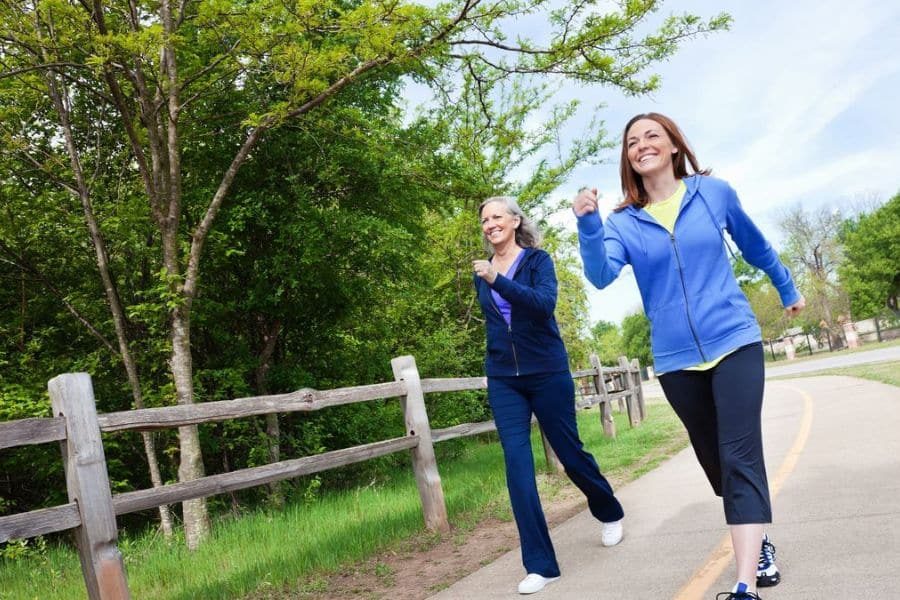
Benefits of Walking for Older Adults
Importance of Walking for Elderly Health
Walking is like the Swiss Army knife of exercises—simple yet packed with benefits for older folks. It’s not just about moving your feet; it’s about boosting your health and keeping you active. The CDC suggests that folks over 65 should aim for 150 minutes of moderate exercise weekly, like a brisk walk (CDC). Break it down into bite-sized chunks, and it becomes a breeze to fit into your day.
For seniors, walking is a winner because it’s gentle on the body, reducing injury risks while delivering a health punch. It’s a fantastic way to stay active without stressing your joints and muscles. Make walking a habit, and you’ll be on your way to a healthier, happier life.
Physical and Mental Benefits of Walking
Walking isn’t just good for the body; it’s a treat for the mind too. Here’s why it’s a top pick for older adults:
Physical Benefits
- Heart Health: Walking gives your heart a workout, improving circulation and cutting down the chances of heart disease and stroke. Plus, it helps lower blood pressure and cholesterol.
- Weight Control: Want to shed some pounds or keep them off? Walking burns calories and helps you stay trim (walking exercise for weight loss).
- Mobility and Flexibility: Keep those joints moving and improve your balance with regular walks. It can also help prevent falls by boosting coordination.
- Chronic Condition Prevention: A quick 15-minute walk after meals can help manage type 2 diabetes by controlling blood sugar spikes. Walking 60 blocks a week can lower the risk of atrial fibrillation by 44%.
Mental Benefits
- Mood Booster: Walking releases endorphins, those feel-good chemicals that lift your spirits and ease anxiety. Plus, it gives you a sense of achievement and boosts self-esteem.
- Brain Power: Keep your mind sharp and fend off dementia and Alzheimer’s with regular walks.
- Stress Buster: A stroll in nature or a quiet spot can melt away stress and help you relax. It’s a chance to clear your head and enjoy some peace.
| Benefit | Description |
|---|---|
| Heart Health | Strengthens heart, improves circulation, lowers blood pressure and cholesterol |
| Weight Control | Burns calories, helps maintain a healthy weight |
| Mobility and Flexibility | Keeps joints flexible, improves balance and coordination |
| Chronic Condition Prevention | Reduces risk of type 2 diabetes and atrial fibrillation |
| Mood Booster | Reduces depression and anxiety, boosts mood and self-esteem |
| Brain Power | Protects against dementia and Alzheimer’s disease |
| Stress Buster | Promotes relaxation, reduces stress levels |
Adding walking to your daily routine can make a big difference in your physical and mental well-being. Want to know how to kick off your walking journey? Check out our article on walking exercise routine.
Guidelines for Walking Exercise
CDC Recommendations for Elderly
Walking is a top-notch way for seniors to stay active. The CDC suggests folks 65 and up should aim for about 150 minutes of moderate exercise, like a brisk walk, each week. Throw in some muscle-strengthening exercises a couple of times a week, and you’re golden.
| Age Group | Activity Type | Duration |
|---|---|---|
| 65 and older | Moderate-intensity aerobic (e.g., brisk walking) | 150 minutes per week |
| 65 and older | Muscle-strengthening | 2 or more days per week |
Walking isn’t just good for keeping you fit; it also helps fend off those pesky chronic illnesses and boosts your mood. Want to know more about why walking rocks? Check out our page on walking exercise benefits.
Incorporating Walking into Daily Routine
Making walking a part of your day can be a breeze. Here’s how to get rolling:
- Set Realistic Goals: Start with short strolls and slowly ramp up the time and pace. Try to walk for about 30 minutes most days.
- Choose the Right Time: Pick a time that suits you best—morning, afternoon, or evening. Sticking to a routine is what counts.
- Use a Pedometer or Fitness Tracker: Keep tabs on your steps and progress. Aim for a daily step count, like 7,000 to 10,000 steps.
- Make It Social: Grab a buddy or join a walking group. Chatting while you walk makes it more fun and keeps you on track. For more ideas, see our article on walking with a buddy.
- Mix It Up: Change your walking routes to keep things fresh. Check out new parks, neighborhoods, or trails.
- Combine with Other Activities: Sneak in walking during daily chores, like heading to the store, taking the stairs, or parking a bit farther from your destination.
If you’re dealing with physical challenges or bad weather, try indoor walking exercise options. Walking in place, hopping on a treadmill, or following a walking exercise video can work just as well.
Stick to these tips and make walking a regular part of your life, and you’ll reap all the health perks that come with staying active. For more detailed plans and routines, swing by our page on walking exercise routine.
Health Benefits of Walking for Seniors
Walking ain’t just a stroll in the park; it’s a powerhouse of health perks for seniors. Adding a bit of walking to your day can do wonders for both your body and mind.
Impact on Chronic Conditions
Walking is like a secret weapon against those pesky chronic conditions. For seniors, it means living better and maybe even saving a few bucks on doctor visits.
- Type 2 Diabetes: Just a 15-minute walk after chowing down can help keep those blood sugar levels in check. It’s a nifty trick for managing type 2 diabetes (Seniors Services of America).
- Heart Health: The CDC says folks 65 and up should aim for at least 150 minutes of walking each week. It’s top-notch for keeping your ticker in tip-top shape (Senior Services of America).
- Immune Function: Regular walkers tend to dodge more sick days. In fact, seniors who walk often have 43% fewer sick days than those who don’t.
| Chronic Condition | Benefit of Walking |
|---|---|
| Type 2 Diabetes | Keeps blood sugar in check |
| Heart Health | Boosts heart strength |
| Immune Function | Cuts down on sick days |
Want more on how walking can tackle chronic conditions? Check out our piece on walking exercise for seniors.
Cognitive Benefits of Walking
Walking isn’t just good for your body; it’s a brain booster too. It helps keep your mind sharp and fights off that age-related brain fog.
- Cognitive Impairment: A study showed that folks who kept moving had a 20% lower chance of cognitive issues compared to couch potatoes.
- Dementia and Alzheimer’s Disease: Walking is like a shield for your brain, helping fend off dementia and Alzheimer’s, keeping you mentally spry as the years roll by.
| Cognitive Benefit | Impact of Walking |
|---|---|
| Cognitive Impairment | 20% lower chance |
| Dementia and Alzheimer’s | Brain protection |
Curious about how walking helps your noggin? Dive into our article on walking exercise benefits.
Making walking a part of your daily grind can seriously boost your health. Whether you’re aiming to tackle chronic issues or sharpen your mind, walking is a simple yet mighty way to feel better. For tips on getting started, swing by our guide on walking exercise routine.
Tips for Safe Walking Exercise
Getting your steps in is a great way to boost your health and mood. But before you hit the pavement, let’s make sure you’re doing it safely. Here are some handy tips to keep you moving without a hitch.
Choosing Proper Footwear
Your shoes can make or break your walking experience. Most folks will do well with comfy sneakers that offer good support and cushioning. If your feet have a mind of their own, orthopedic shoes might be your best bet. Don’t hesitate to ask a healthcare pro for advice on what kicks are best for you (Health In Aging).
| Footwear Type | Benefits |
|---|---|
| Comfortable Sneakers | Support and cushioning for happy feet |
| Orthopedic Shoes | Perfect for tricky foot issues |
The right shoes can keep you injury-free and make your walks more enjoyable. For more ways to spice up your walking routine, check out our article on walking exercise routine.
Walking Aids and Accessories
If you’re in the golden years, walking aids can be your best friend. Canes and walkers help keep you steady and take the load off your joints. Make sure they’re the right fit and in tip-top shape. A chat with a healthcare expert can help you get them just right.
| Walking Aid | Benefits |
|---|---|
| Cane | Keeps you balanced |
| Walker | Eases joint pressure |
Besides aids, gadgets like pedometers or fitness trackers can keep you motivated and on track with your goals. For more scoop on walking aids and accessories, swing by our article on walking exercise equipment.
By lacing up the right shoes and using helpful aids, you’ll be all set for a safe and fun walking routine. For more tips on walking exercises, check out our articles on walking exercise tips and walking exercise for seniors.
Motivation and Socialization
Keeping your spirits high and staying connected with others can really jazz up your walking routine. Here’s how to make your strolls more fun and lively.
Walking with a Buddy
Taking a walk with a pal or family member can be a game-changer. It’s not just about moving your legs; it’s about sharing laughs, stories, and maybe a little gossip. Plus, it’s a great way to keep each other on track and make the whole thing less of a chore.
Why Walking with a Buddy Rocks:
- Boosted Motivation: Having someone by your side can be the nudge you need to stick to your walking plan.
- Chit-Chat Time: Chatting while you walk makes the time fly and strengthens your bond with your walking buddy.
- Safety Net: Walking with someone else can make you feel safer, especially if you’re exploring new areas.
Joining Walking Groups
Jumping into a walking group is a fantastic way to stay pumped and meet new folks. These groups offer a sense of belonging and make it easier to keep up with your walking habit. The Heart Foundation Walking program is a solid place to start if you’re looking for a group nearby.
Why Walking Groups are Awesome:
- Community Vibes: Being part of a group gives you a boost of encouragement and keeps you accountable.
- Meet and Greet: Walking groups are perfect for making new friends who share your love for walking.
- Routine Made Easy: Many groups have regular schedules, helping you fit walking into your daily life without a hitch.
For more tips on weaving walking into your everyday routine, check out our article on walking exercise routine. If you’re more of an indoor type, take a peek at our guide on indoor walking exercise.
Whether you’re strolling with a buddy or joining a walking group, you’re bound to make your walking experience more enjoyable and reap the health perks it brings. For more scoop on the benefits of walking, swing by our page on walking exercise benefits.
Overcoming Barriers to Walking
Walking is a great way to boost your health, but sometimes life throws a few hurdles in the way. Here’s how you can jump over those obstacles and enjoy the perks of walking, especially for older folks.
Tackling Physical Challenges
Physical issues can make walking tough, but don’t worry, there are ways to keep moving. Here’s how:
- Grab Some Gear: Things like canes, walkers, or trekking poles can give you that extra bit of support. They help you stay steady and cut down the chance of taking a tumble. Curious about these gadgets? Check out our walking exercise equipment page.
- Take It Easy: Start with short strolls and slowly ramp up the time and effort. Even a few minutes can do wonders. Work your way up to 30 minutes a day, aiming for 100 steps a minute (Health In Aging).
- Get Expert Advice: Chat with your doctor or a physical therapist to whip up a walking plan that suits you. They’ll give you tips to keep things safe and sound.
Indoor Walking Options
When stepping outside isn’t an option because of weather or safety, indoor walking can save the day. Here’s what you can do indoors:
- Home Strolls: Walk in place or around your house. Got a treadmill? Hop on! For more ideas, see our walking exercise at home article.
- Indoor Tracks: Many community centers, gyms, and malls have tracks inside. They offer a safe spot to walk without worrying about the weather.
- Walking Videos: Follow along with a walking exercise video to keep things fun. These videos often have routines you can do in a small area.
- Join a Program: Sign up for an indoor walking class. These programs add structure and a chance to meet new people, making walking more fun. Learn more on our walking exercise program page.
| Indoor Walking Options | Description |
|---|---|
| Home Strolls | Walk in place or around your home, use a treadmill if available. |
| Indoor Tracks | Available at community centers, gyms, and malls. |
| Walking Videos | Follow guided routines in a small space. |
| Join a Program | Join structured programs or classes for social interaction. |
By tackling physical challenges and checking out indoor walking options, you can bust through barriers and make walking a regular part of your life. For more tips and resources, visit our pages on walking exercise tips and walking exercise for seniors.